

Are Bunnies Easy to Potty Train? Unlocking the Secrets to a Litter-Trained Rabbit
Are bunnies easy to potty train? Generally, the answer is yes, rabbits are surprisingly easy to potty train, especially with patience, consistency, and the right setup!

Understanding Rabbit Potty Habits
Rabbits are naturally quite clean animals, and this inherent cleanliness makes them predisposed to using a litter box. In the wild, rabbits typically choose one or two spots to deposit their droppings, which makes it easier to train them in a domestic setting. However, there are some fundamental things you need to understand.
- Rabbits Eat and Eliminate Simultaneously: Rabbits often eat hay while they are in their designated potty area, leading to droppings and urine. This is perfectly normal. The key is to provide a comfortable space where they can do both.
- Territorial Droppings: Rabbits also use their droppings to mark their territory. Unneutered or unspayed rabbits are more likely to scatter droppings to claim their space. Neutering or spaying significantly reduces this behavior.
- Health Considerations: Sometimes, a rabbit’s unwillingness to use a litter box can indicate an underlying health problem, such as a urinary tract infection. Always consult a veterinarian if you notice a sudden change in your rabbit’s potty habits.

What colours are fish most attracted to?
Can you put your finger in a trout's mouth?
Is methylene blue anti bacterial?
Does aquarium salt raise pH in aquarium?
Benefits of Potty Training Your Bunny
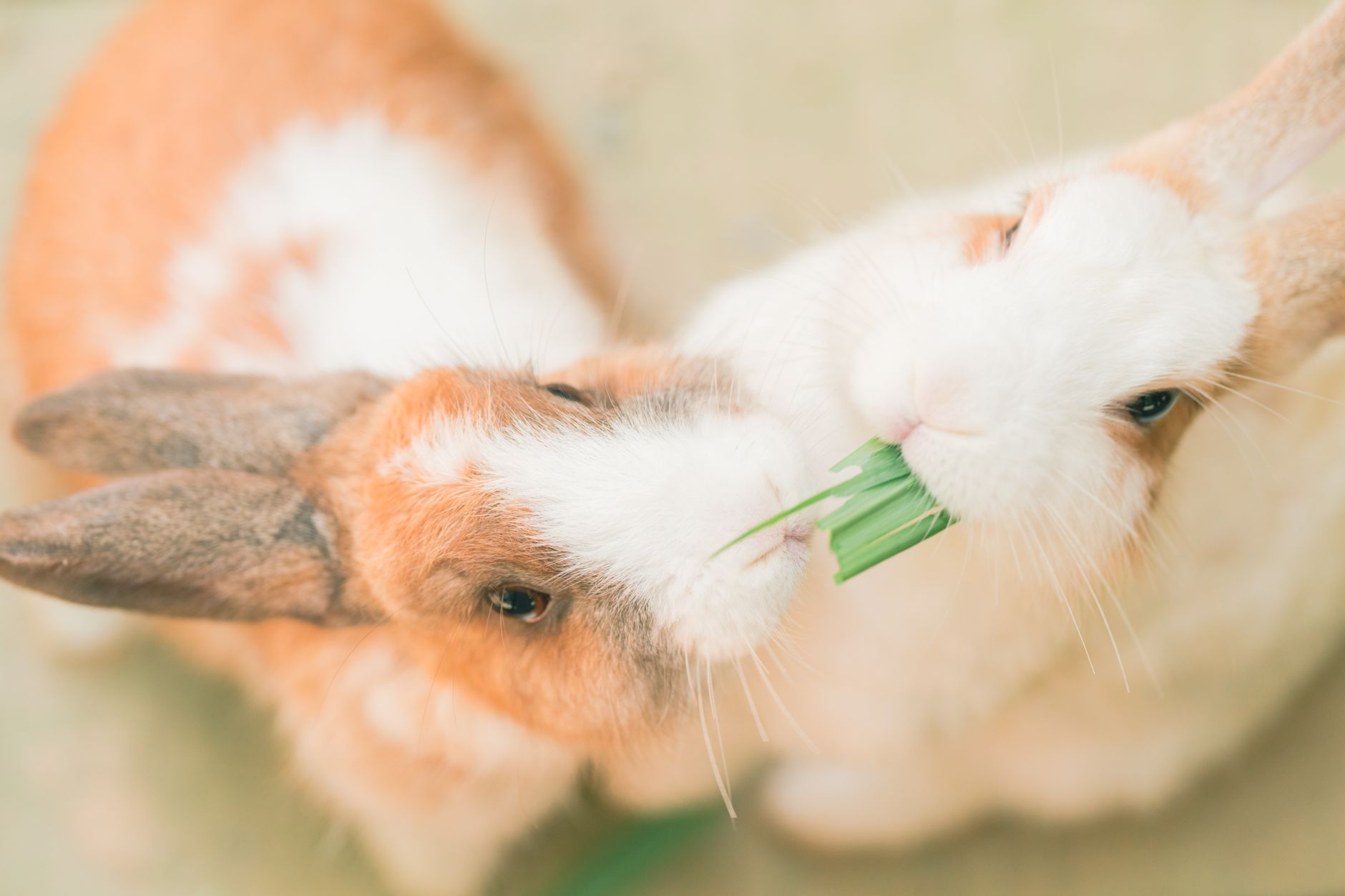
Potty training your rabbit offers a multitude of benefits for both you and your furry friend.
- Improved Hygiene: Potty trained rabbits make cleaning up their living space much easier.
- Reduced Odor: Confined waste reduces the overall odor in your home.
- Increased Interaction: A clean environment fosters closer interaction with your bunny.
- Free-Range Freedom: Potty training allows your rabbit to safely roam around your home, without the worry of accidents.
- Enhanced Bond: Training strengthens the bond between you and your rabbit, as it requires patience and understanding.
The Potty Training Process: Step-by-Step
Potty training a rabbit requires a consistent approach and a good understanding of their behavior. Here’s a comprehensive guide:
-
Choose the Right Litter Box: Opt for a low-entry litter box, large enough for your rabbit to comfortably turn around in. Avoid wire-bottomed cages as litter boxes, as they can hurt your rabbit’s feet.
-
Select the Appropriate Litter: Use paper-based litter or wood pellets specifically designed for rabbits. Avoid clay-based litters or pine/cedar shavings, as they can be harmful.
-
Place the Litter Box Strategically: Observe where your rabbit naturally eliminates and place the litter box in that area. Rabbits often prefer corners.
-
Add Hay to the Litter Box: Place a generous amount of hay in the litter box. Rabbits instinctively eat and eliminate in the same area.
-
Collect Stray Droppings: Whenever you find stray droppings outside the litter box, immediately place them inside. This helps your rabbit associate that spot with elimination.
-
Clean Up Accidents Immediately: Use an enzymatic cleaner to eliminate the odor of accidents. This discourages your rabbit from returning to the same spot.
-
Reward Positive Behavior: When your rabbit uses the litter box, offer verbal praise and small, healthy treats.
-
Be Patient and Consistent: Potty training takes time and patience. Never punish your rabbit for accidents. Stay consistent with your methods, and your rabbit will eventually learn.
Common Potty Training Mistakes to Avoid
Several common mistakes can hinder your rabbit’s potty training progress. Avoiding these errors will make the process smoother.
- Using the Wrong Litter: As mentioned above, clay-based litters and pine/cedar shavings are dangerous for rabbits.
- Not Cleaning Accidents Properly: Lingering odors will attract your rabbit back to the same spot.
- Punishing Your Rabbit: Punishment creates fear and distrust.
- Moving the Litter Box Too Often: Consistency is key.
- Not Neutering or Spaying: Hormonal urges can interfere with training.
- Giving Up Too Soon: Potty training takes time and patience; don’t get discouraged by setbacks.
Troubleshooting Potty Training Issues
If your rabbit is still having accidents after consistent training efforts, consider these potential causes:
- Medical Issues: A urinary tract infection or other medical condition can cause accidents. Consult a vet.
- Stress or Anxiety: Changes in the environment or routine can cause stress. Provide a stable and secure environment.
- Inadequate Litter Box Setup: The litter box might be too small, uncomfortable, or placed in an undesirable location.
- Territorial Marking: Unneutered/unspayed rabbits are more prone to territorial marking.
Is it easier to potty train baby bunnies compared to adult bunnies?
While baby bunnies may be initially more impressionable, adult bunnies are often easier to potty train because they are more physically mature and better able to control their bladder and bowel movements. Neutering/spaying an adult rabbit makes the process even easier.
What kind of litter box is best for a rabbit?
A low-entry litter box, typically a corner design, is ideal for rabbits. Choose a box large enough for your rabbit to comfortably turn around. Avoid wire-bottomed boxes, as they can cause sores on your rabbit’s feet.
Can I use cat litter for my bunny?
Never use clumping cat litter for rabbits. If ingested, it can cause intestinal blockages and be fatal. Clay-based litters should also be avoided due to dust inhalation risks.
How often should I clean my bunny’s litter box?
You should scoop out solid waste daily and completely change the litter every 2-3 days, or more frequently if needed. Regular cleaning helps to prevent odors and maintain good hygiene.
My bunny is using the litter box for urine, but not for droppings. What should I do?
This is fairly common. Place stray droppings inside the litter box. Consider placing more than one litter box in the areas where your rabbit tends to leave droppings. Continue to reinforce positive behavior with praise and treats.
My bunny used to use the litter box, but now has stopped. Why?
There could be several reasons: medical issues, stress, a change in environment, or the litter box may not be clean enough. Consult a vet to rule out any health problems. Review the environment and litter box setup to identify and address any issues.
Does neutering or spaying help with potty training?
Yes, neutering or spaying can significantly improve potty training success. These procedures reduce hormonal urges to mark territory, making rabbits more willing to use the litter box consistently.
How long does it typically take to potty train a bunny?
It varies depending on the rabbit’s age, personality, and training consistency. Some rabbits may learn in a few days, while others may take several weeks or even months. Patience and consistency are key.
What treats are safe to use as rewards for potty training my bunny?
Small pieces of fresh vegetables like carrot, parsley, or cilantro make excellent and healthy rewards. Avoid sugary treats or those that are high in carbohydrates.
My bunny is spraying urine outside the litter box. Is this normal?
Urine spraying is a common territorial behavior in unneutered/unspayed rabbits. Neutering or spaying is highly recommended to reduce or eliminate this behavior.
Can I train my bunny to use the toilet?
While possible, it’s not generally recommended. Rabbit urine is highly alkaline and can damage toilet bowls and pipes. It’s much easier and safer to use a standard litter box.
My bunny seems to be eating the litter. Is this dangerous?
It can be. Make sure you’re using a rabbit-safe litter, such as paper-based or wood pellet litter. If your rabbit continues to eat the litter, consult a vet to rule out any nutritional deficiencies. Provide plenty of hay, which should make up the bulk of their diet.