

Are Budgies Fine Alone? The Truth About Solitary Budgerigars
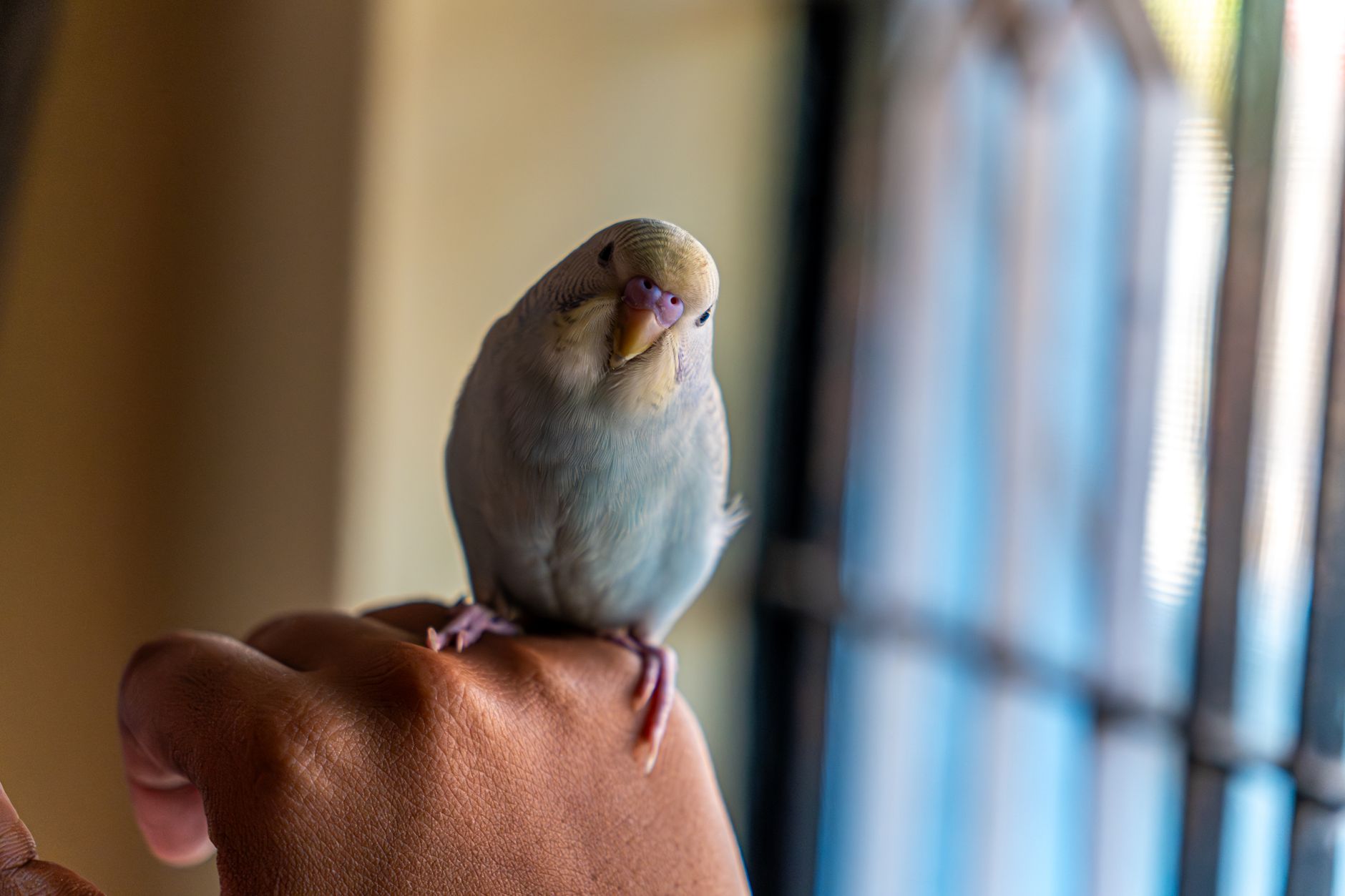
Budgies are highly social creatures, and while survival might be possible alone, it’s rarely, if ever, ideal. So, are budgies fine alone? No, generally, they are not. Their emotional and psychological well-being thrives on companionship, making a solo existence a potentially detrimental one.

Understanding the Social Needs of Budgies
Budgies, also known as parakeets, are native to Australia, where they live in large flocks. This ingrained social structure dictates much of their behavior and needs. In the wild, budgies rely on each other for:
- Safety: Flocks provide increased vigilance against predators.
- Food Location: Birds follow each other to find optimal food sources.
- Social Interaction: Preening, playing, and vocalizing are all crucial aspects of their social lives.
Removing a budgie from this natural social environment creates a void that needs to be filled. While human interaction can partially compensate, it rarely fully replicates the benefits of having another budgie companion.
What colours are fish most attracted to?
Can you put your finger in a trout's mouth?
Is methylene blue anti bacterial?
Does aquarium salt raise pH in aquarium?
The Potential Negative Impacts of Isolation
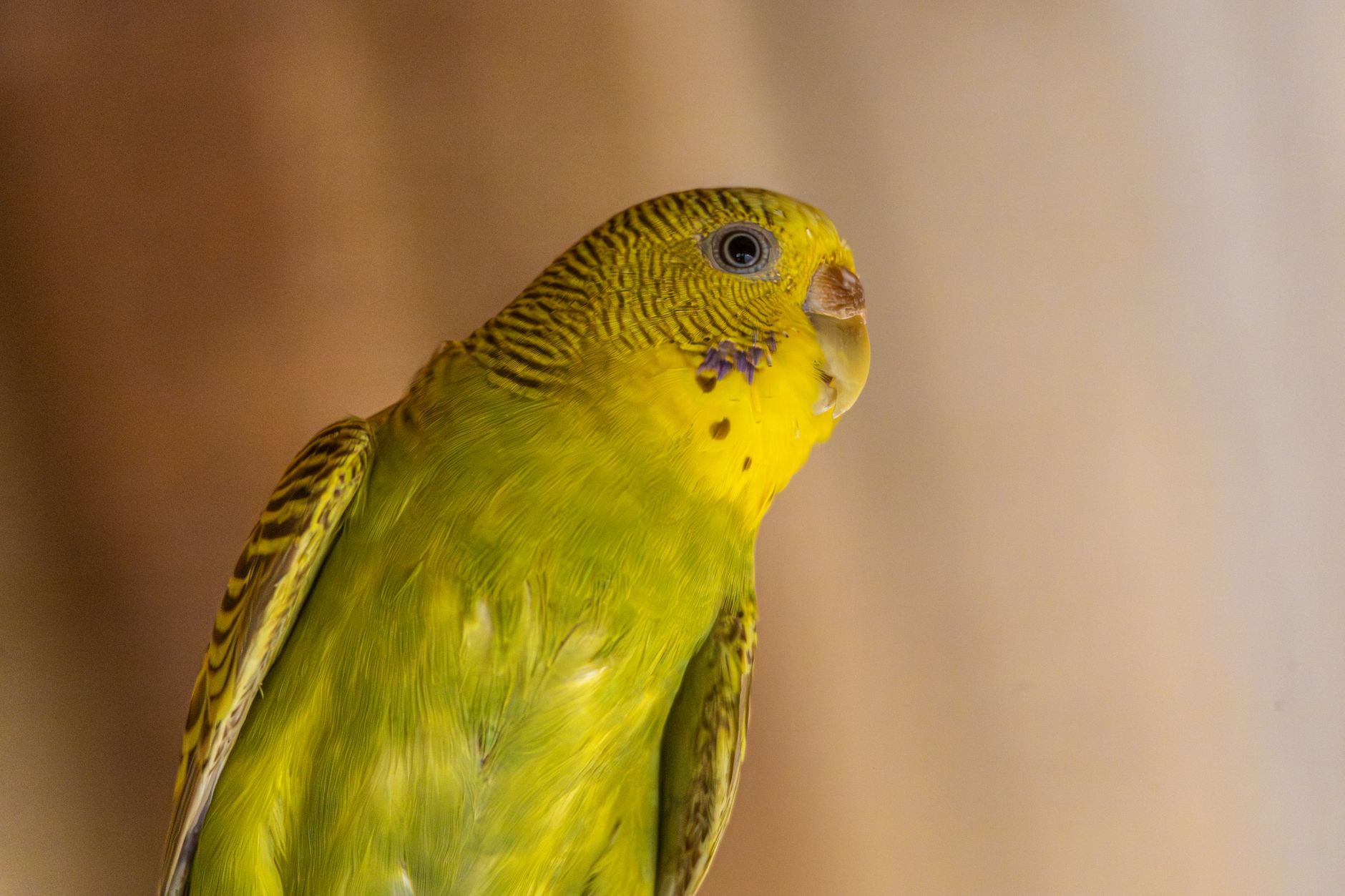
Keeping a budgie alone can lead to a range of negative consequences, impacting both their physical and mental health.
- Boredom and Depression: Budgies are intelligent and active birds. Without sufficient stimulation, they can become bored and depressed.
- Feather Plucking: This is a common sign of stress and anxiety in solitary budgies.
- Excessive Screaming: A lonely budgie may scream constantly in an attempt to attract attention.
- Aggression: Paradoxically, some isolated budgies may become aggressive towards their human caregivers due to frustration.
- Reduced Lifespan: Chronic stress can weaken the immune system, making solitary budgies more susceptible to illness and potentially shortening their lifespan.
A study published in the Journal of Avian Medicine and Surgery showed a correlation between social isolation and increased stress hormones in budgies.
Enriching the Life of a Single Budgie (If Necessary)
While two or more budgies are strongly recommended, there may be circumstances where keeping a single budgie is unavoidable. In such cases, it’s crucial to provide substantial enrichment to compensate for the lack of a feathered companion.
- Maximize Human Interaction: Spend significant time interacting with your budgie each day. Talk to it, play with it, and offer plenty of attention.
- Provide a Large and Stimulating Cage: The cage should be spacious enough for the budgie to fly and exercise.
- Offer a Variety of Toys: Rotate toys regularly to keep your budgie engaged. Include toys that encourage chewing, climbing, and problem-solving.
- Use Mirrors: Mirrors can provide a sense of companionship, although they are not a substitute for a real bird.
- Play Bird Sounds or Videos: Playing recordings of budgie chatter or videos of budgies can provide auditory and visual stimulation.
- Ensure a Balanced Diet: A healthy diet is essential for overall well-being.
- Regular Vet Checkups: Monitor your budgie closely for any signs of illness or distress.
Introducing a New Budgie
If you currently have a solitary budgie, consider introducing a new companion. The introduction process should be gradual and supervised to minimize stress and aggression.
- Quarantine the New Bird: Keep the new budgie in a separate cage in a different room for at least 30 days to monitor for any signs of illness.
- Gradual Introduction: Place the two cages close to each other so the budgies can see and hear each other.
- Supervised Interaction: Allow the budgies to interact outside the cages in a neutral space, under close supervision.
- Shared Cage: Once the budgies appear to be getting along, you can move them into the same cage. Ensure the cage is large enough for both birds and provides plenty of food and water dishes.
Comparing Budgies: Single vs. Paired
| Feature | Single Budgie (Without Adequate Enrichment) | Paired Budgies |
|---|---|---|
| Social Interaction | Limited, relies solely on human interaction | Abundant, natural social behavior |
| Activity Level | Can be lower, prone to boredom | Higher, more playful and active |
| Mental Health | Increased risk of depression and anxiety | Generally happier and more mentally stimulated |
| Feather Plucking | More likely to occur | Less likely to occur |
| Vocalization | May be excessive or minimal | Natural and varied vocalizations |
Common Mistakes
Avoid these common mistakes when considering are budgies fine alone?:
- Assuming Human Interaction is Enough: While important, human interaction cannot fully replace the companionship of another budgie.
- Neglecting Environmental Enrichment: A bare cage with limited toys is detrimental to a budgie’s well-being.
- Ignoring Signs of Distress: Feather plucking, excessive screaming, and lethargy are all signs that a budgie is unhappy.
- Improper Introduction: Introducing a new budgie without proper quarantine and supervision can lead to aggression and the spread of disease.
Are budgies fine alone? No, and recognizing these mistakes is crucial for providing the best possible care for your budgie.
Frequently Asked Questions about Budgies and Companionship
Why do budgies need companionship?
Budgies are naturally social birds that thrive in flocks. This instinctual need for interaction and companionship is essential for their psychological well-being. Without it, they can become lonely, stressed, and develop behavioral problems.
Can a human fully replace another budgie?
While human interaction is valuable, it cannot entirely replace the specific type of social interaction that budgies crave. Budgies communicate with each other in ways that humans cannot fully replicate, through preening, mutual feeding, and shared experiences.
What are the signs that a budgie is lonely?
Signs of loneliness in budgies can include feather plucking, excessive screaming, lethargy, a decrease in appetite, and withdrawal from interaction. If you notice any of these signs, it’s crucial to take steps to address your budgie’s needs.
Is it cruel to keep a budgie alone?
Whether it’s cruel depends on the level of enrichment and attention provided. If a solitary budgie receives adequate interaction, a stimulating environment, and is closely monitored for signs of distress, it may be possible to maintain its well-being. However, keeping a budgie with a companion is always preferable. So, are budgies fine alone? They are not and keeping them by themselve could be deemed cruel.
What if I can only afford one budgie?
While having two budgies is ideal, responsible pet ownership is important. If you can only afford one, ensure you can dedicate significant time and resources to provide enrichment, interaction, and veterinary care.
How long can a budgie be left alone during the day?
Generally, a budgie should not be left alone for more than 8-10 hours per day. Long periods of solitude can contribute to boredom and loneliness.
Can I introduce a new budgie to an older budgie?
Yes, you can introduce a new budgie to an older budgie, but it’s important to do so gradually and with supervision. Follow the introduction process outlined earlier in this article to minimize stress and aggression.
What if my budgies don’t get along?
Sometimes, budgies may not get along immediately. In such cases, it’s important to monitor their interactions closely and provide separate food and water dishes to prevent competition. If aggression persists, you may need to keep them in separate cages.
Do male or female budgies get along better?
Generally, a male-female pair or two females tend to get along better than two males. Two males can be territorial and more prone to fighting, especially if there is no female present.
Is a larger cage better for two budgies?
Yes, a larger cage is always better for two or more budgies. It provides them with more space to fly, play, and avoid each other if they need space.
What kind of toys do budgies enjoy?
Budgies enjoy a variety of toys, including swings, ladders, bells, mirrors, and chewable toys. Rotate toys regularly to keep them engaged and prevent boredom.
How do I know if my budgie is happy?
Signs of a happy budgie include singing, chirping, playing, eating well, preening, and interacting with its environment and caregivers. A healthy and well-socialized budgie will exhibit these behaviors regularly. So, to conclude, are budgies fine alone? The answer is no.