

Are Black Bears and Grizzly Bears Friends? Understanding a Complex Relationship
No, black bears and grizzly bears are not friends; while they occasionally tolerate each other, their interactions are typically characterized by competition, avoidance, and even aggression due to overlapping territories and resource needs. This article explores the intricate dynamics between these two North American bear species.

Introduction: Two Bears, One Continent, Complicated Dynamics
The vast wilderness of North America is home to two iconic bear species: the black bear (Ursus americanus) and the grizzly bear (Ursus arctos horribilis), also known as the brown bear. While they share similar habitats and dietary preferences, their relationship is far from friendly. Understanding the complex interactions between are black bears and grizzly bears friends? requires examining their ecological roles, behavioral patterns, and competitive pressures. This article delves into these factors, offering insights into the dynamics that shape the lives of these magnificent creatures.
What colours are fish most attracted to?
Can you put your finger in a trout's mouth?
Is methylene blue anti bacterial?
Does aquarium salt raise pH in aquarium?
Overlapping Territories and Resource Competition
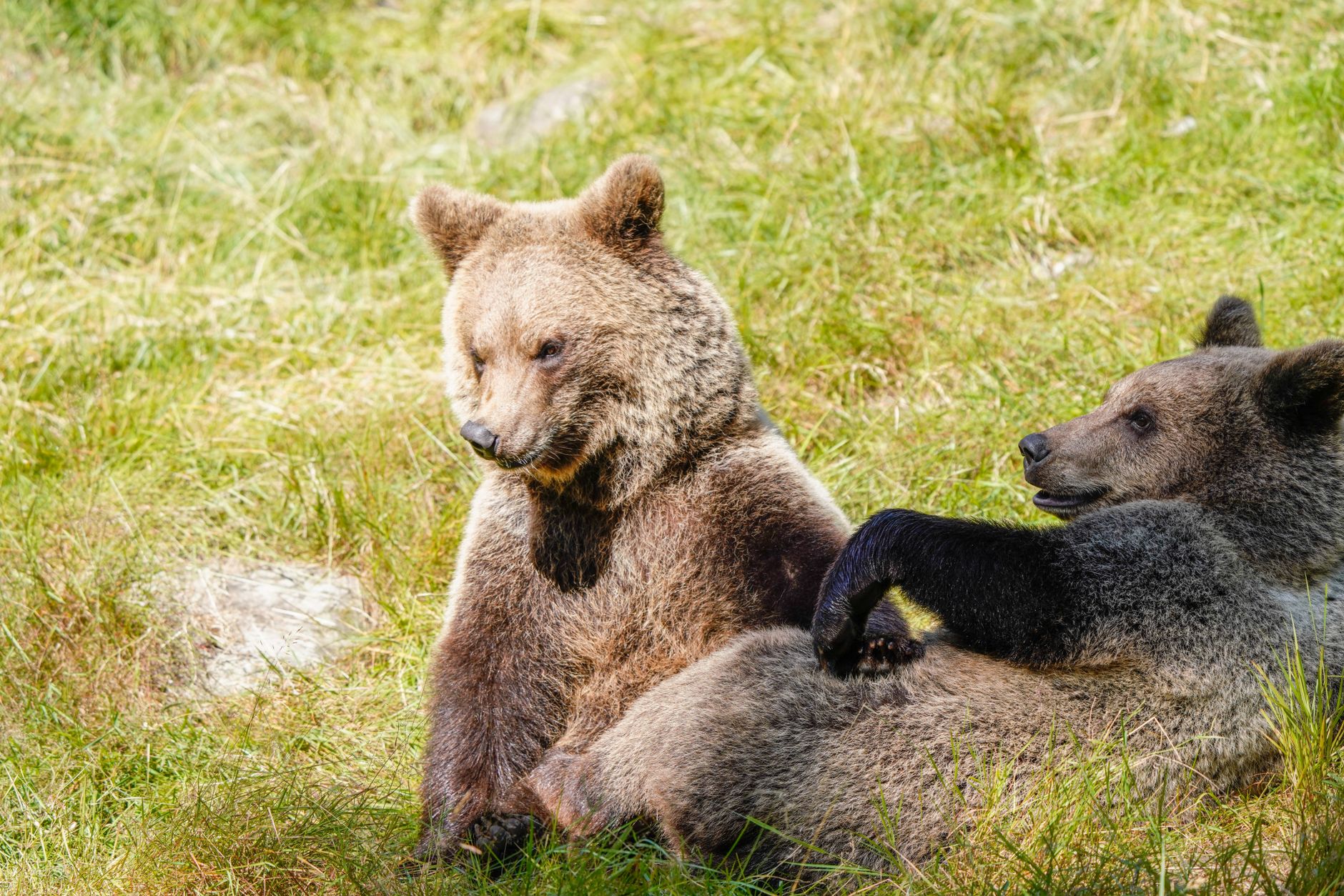
Both black bears and grizzly bears inhabit diverse landscapes, ranging from dense forests to open meadows. Their ranges often overlap, particularly in western North America. This overlap leads to competition for essential resources, primarily food.
- Food sources: Both bears are opportunistic omnivores, feeding on a wide variety of plants, berries, insects, fish, and mammals. The availability of these resources fluctuates seasonally, intensifying competition during lean periods.
- Habitat preferences: While both species can adapt to different habitats, grizzly bears tend to prefer more open terrain, while black bears are more commonly found in forested areas. However, this distinction is not absolute, and both species can be found in the same locations.
- Denning sites: Suitable denning sites, crucial for winter hibernation, can also become a point of competition, especially in areas with limited options.
Size and Aggression: A Hierarchy of Power
Grizzly bears are generally larger and more powerful than black bears. Adult male grizzlies can weigh up to 800 pounds, while adult male black bears typically weigh between 200 and 600 pounds. This size difference translates into a significant advantage for grizzlies in territorial disputes.
- Dominance: Grizzlies often dominate black bears, displacing them from prime feeding areas or even killing them.
- Avoidance: Black bears tend to avoid areas where grizzly bear density is high, reducing the risk of confrontation.
- Behavioral adaptations: Black bears have evolved strategies to minimize interactions with grizzlies, such as being more active during dawn and dusk when grizzlies are less active.
Interactions: Encounters and Outcomes
Encounters between black bears and grizzly bears can range from peaceful avoidance to outright aggression. The outcome depends on various factors, including the size and temperament of the individual bears, the availability of food, and the presence of cubs.
| Factor | Black Bear Strategy | Grizzly Bear Strategy |
|---|---|---|
| Size | Avoid confrontation; retreat to trees if possible. | Assert dominance; may pursue or attack smaller bears. |
| Food | Relinquish food source to avoid conflict. | Defend food source aggressively. |
| Cubs | Protect cubs fiercely, but may still avoid confrontation. | Protect cubs fiercely; more likely to initiate an attack. |
| Territory | Avoid areas with high grizzly bear density. | Defend territory aggressively. |
| Encounter | Climb trees, play dead, or run away. | Stand ground, vocalize, charge (if feeling threatened). |
Black Bear Benefits and Adaptations
Despite the dominance of grizzly bears, black bears have demonstrated remarkable adaptability. Their smaller size and climbing ability provide them with advantages in certain situations.
- Climbing ability: Black bears are adept climbers, allowing them to escape predators (including grizzlies) and access food sources in trees.
- Habitat flexibility: Black bears can thrive in a wider range of habitats, including areas with dense forests that grizzlies may avoid.
- Dietary flexibility: Their opportunistic diet allows them to exploit a variety of food sources, reducing their reliance on resources that grizzlies might compete for.
Conservation Implications
Understanding the interactions between are black bears and grizzly bears friends? is crucial for effective conservation management. Habitat loss and fragmentation, climate change, and human encroachment can all exacerbate competition between the two species, impacting their populations. Protecting critical habitat, managing human-bear conflicts, and promoting coexistence are essential for ensuring the long-term survival of both black bears and grizzly bears.
Frequently Asked Questions (FAQs)
What happens when a black bear and a grizzly bear meet?
The outcome of a black bear and grizzly bear encounter varies. Often, the black bear will avoid the grizzly bear if possible. If a confrontation occurs, the grizzly, being larger and more powerful, usually dominates, and the black bear will yield.
Do grizzly bears ever kill black bears?
Yes, grizzly bears have been known to kill black bears, especially when competing for food or territory. This is more likely to occur when resources are scarce.
Are black bears afraid of grizzly bears?
Generally, black bears exhibit caution and avoidance behavior in areas where grizzly bears are present, suggesting a degree of fear.
Can black bears and grizzly bears interbreed?
While both are members of the Ursus genus, interbreeding between black bears and grizzly bears is rare but possible, though viable offspring survival rates are currently unknown.
Do black bears and grizzly bears share the same food sources?
Yes, both black bears and grizzly bears are opportunistic omnivores and share many of the same food sources, leading to competition.
What is the biggest difference between black bears and grizzly bears?
The most significant differences are size and shoulder hump. Grizzly bears are larger and have a prominent shoulder hump, while black bears are smaller and lack the hump.
Are grizzly bears more dangerous than black bears?
Statistically, grizzly bears are considered more dangerous due to their larger size, more aggressive nature, and greater likelihood of defending territory or cubs aggressively.
How can I tell the difference between a black bear and a grizzly bear in the wild?
Look for the shoulder hump, which is characteristic of grizzly bears. Also, observe the bear’s size and claws. Grizzly bears have longer, straighter claws adapted for digging, while black bears have shorter, more curved claws for climbing.
What should I do if I encounter a black bear or a grizzly bear?
If you encounter a black bear, make noise, appear large, and back away slowly. If you encounter a grizzly bear, avoid direct eye contact, slowly back away, and be prepared to use bear spray. If attacked by a grizzly, playing dead is recommended.
Do black bears and grizzly bears hibernate together?
Black bears and grizzly bears do not hibernate together. Each species hibernates individually in dens.
What is the typical lifespan of a black bear and a grizzly bear?
In the wild, black bears typically live for 15-25 years, while grizzly bears typically live for 20-30 years.
How does human activity affect the relationship between black bears and grizzly bears?
Human activity, such as habitat destruction and climate change, can increase competition between black bears and grizzly bears by reducing available resources and altering their ranges, further complicating their relationship. So, are black bears and grizzly bears friends? The answer will depend more and more on humanity.