

Are Bears Smelly? Unveiling the Truth Behind Bear Odors
The answer to Are bears smelly? is complex. While not inherently stinky, bears can indeed possess noticeable odors depending on various factors, including their diet, environment, and hygiene habits.
Understanding Bear Odor: More Than Just Meets the Nose
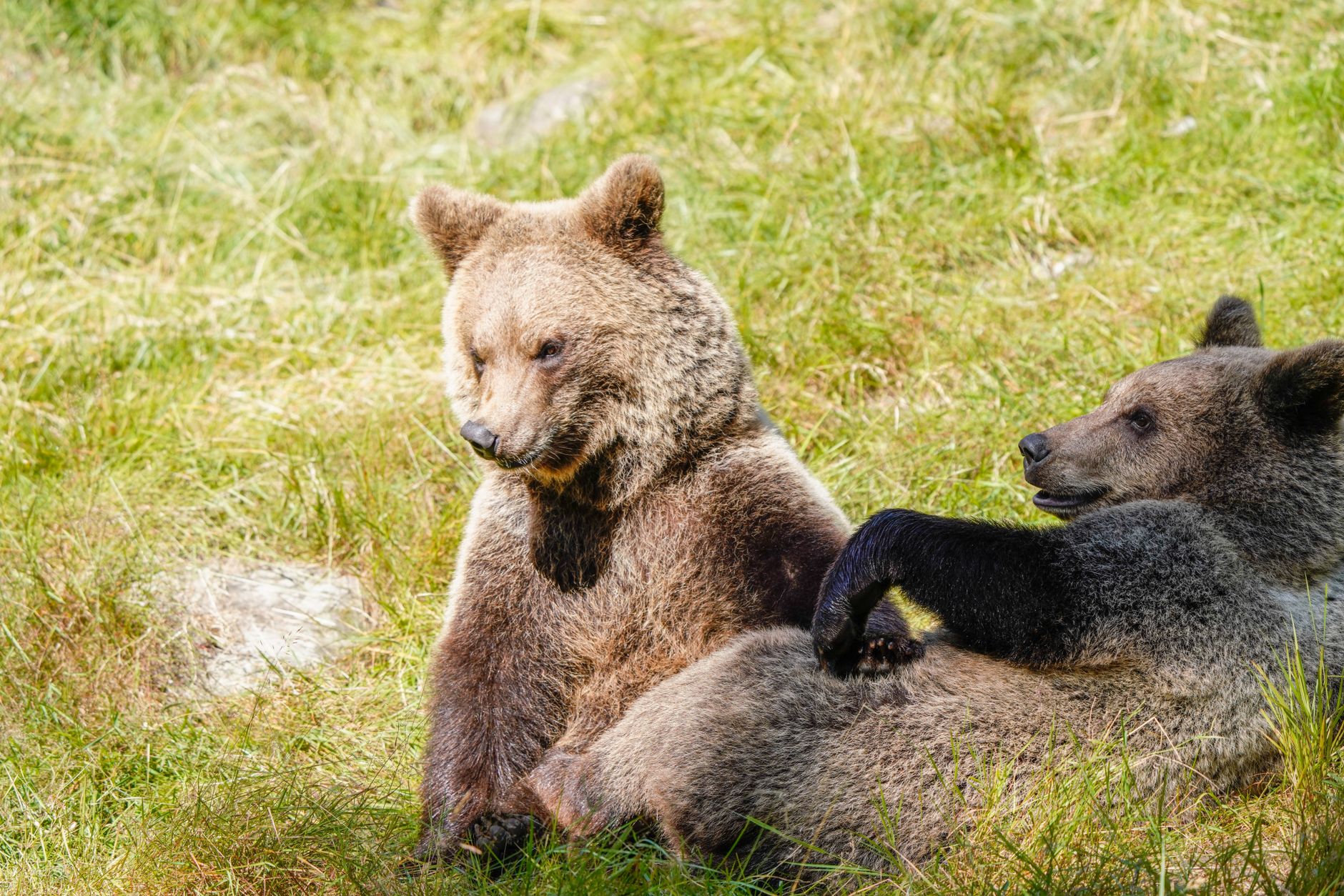
Bears, those majestic creatures of the wilderness, often conjure images of power and solitude. But Are bears smelly? is a question that frequently arises, often fueled by myths and misconceptions. To truly understand the answer, we need to delve into the science of bear odor and the factors that influence it. It’s not a simple yes or no answer.

What colours are fish most attracted to?
Can you put your finger in a trout's mouth?
Is methylene blue anti bacterial?
Does aquarium salt raise pH in aquarium?
Diet’s Role in Bear Scent
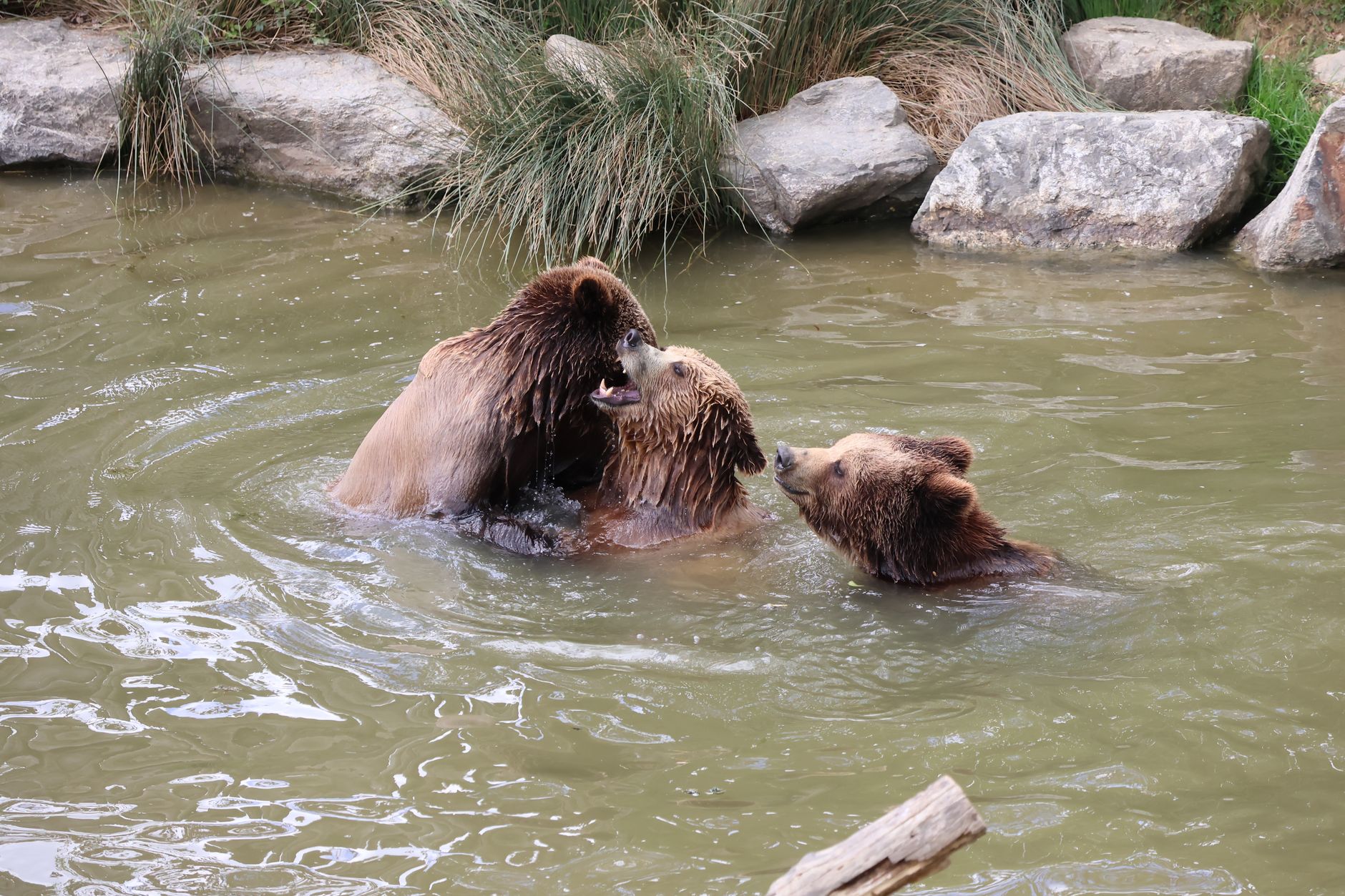
A bear’s diet is perhaps the biggest determinant of its aroma. Consider this:
- Carnivorous diets: Bears that primarily consume meat, especially decaying carcasses, are more likely to possess a pungent, sometimes rotting smell. Scavenging bears often have a much stronger odor than those that hunt fresh prey.
- Herbivorous diets: Bears that primarily eat berries, plants, and nuts tend to have a less offensive odor. Their scent might even be described as slightly sweet or earthy.
- Omnivorous diets: Most bears are omnivores, consuming a mix of both plants and animals. The intensity of their smell will vary depending on the specific proportions of their diet. A bear consuming a large amount of salmon, for example, will likely have a fishy odor.
Habitat and Environment’s Impact
The environment in which a bear lives also contributes to its smell.
- Damp Environments: Bears living in humid or wet environments are more prone to developing mold or mildew odors in their fur. This is especially true if they frequently wallow in mud or water.
- Presence of Carcasses: If a bear’s habitat is near rotting animal carcasses, the bear may pick up the scent through contact and proximity.
- Seasonal Changes: During mating season, some bears, particularly males, secrete stronger scents to attract mates. These scents can be quite powerful and noticeable.
Bear Hygiene: Or Lack Thereof
While bears groom themselves to some extent, they are not known for meticulous hygiene.
- Limited Grooming: Bears do engage in some self-grooming, licking their fur and rubbing against trees. However, this is not sufficient to completely eliminate odors, especially after consuming a messy meal or wallowing in mud.
- Scent Marking: Bears use scent marking to communicate with each other, rubbing against trees and leaving behind their scent. This scent can linger and contribute to the overall aroma of the area.
Scent Glands and Communication
Bears possess scent glands located on their paws, flanks, and other parts of their body. These glands secrete oils and pheromones that play a crucial role in communication. While not necessarily “smelly” in a negative way, these scents are definitely noticeable.
- Territorial Marking: Bears use these scents to mark their territory, warning other bears to stay away.
- Mate Attraction: During mating season, the scents become even more potent, attracting potential mates.
- Individual Identification: Each bear has a unique scent profile, allowing them to identify each other even without visual contact.
Table: Factors Influencing Bear Odor
| Factor | Description | Impact on Odor |
|---|---|---|
| Diet | The types of food a bear consumes. | Meat-based diets result in stronger, more unpleasant odors. |
| Environment | The habitat in which a bear lives. | Damp environments can lead to moldy smells. Proximity to carcasses is a factor. |
| Hygiene | A bear’s grooming habits. | Limited grooming leads to buildup of odors. |
| Scent Glands | Glands that secrete oils and pheromones for communication. | Contribute to a bear’s overall scent profile. |
| Seasonal Changes | Changes in hormone levels and behavior during mating season. | Increased scent production for mate attraction. |
Are Bears Smelly? A Matter of Perspective
Ultimately, whether or not Are bears smelly? is subjective. What one person finds offensive, another might find simply “animalistic.” However, understanding the factors that contribute to bear odor can help us appreciate these magnificent creatures and take appropriate precautions when venturing into bear country.
Frequently Asked Questions (FAQs)
Are all types of bears equally smelly?
No, different bear species can have varying levels of odor. Polar bears, for example, which primarily eat seals, tend to have a stronger, fishier smell compared to Grizzly bears that consume a more varied diet.
Can you smell a bear from a long distance?
It depends on the bear, the wind conditions, and the sensitivity of your nose. A bear that has recently been feeding on carrion might be detectable from several yards away, especially in a downwind direction.
Does a bear’s age affect its smell?
Generally, older bears tend to have a stronger odor than younger bears due to the cumulative effects of their diet and environment. However, this is not always the case, as individual habits and health also play a role.
Do female bears smell different from male bears?
Yes, especially during mating season. Male bears secrete stronger scents to attract females, and these scents can be quite noticeable.
Are bear droppings smelly?
Yes, bear droppings are definitely smelly. The odor varies depending on the bear’s diet. Droppings from a bear that has been eating berries will smell significantly different from droppings from a bear that has been eating meat.
Can bears smell humans?
Yes, bears have an incredibly keen sense of smell, far superior to humans. They can detect the scent of humans from a considerable distance.
What precautions should I take to minimize attracting bears with my own scent?
When in bear country, store food in bear-resistant containers or hang it from a tree. Avoid using strongly scented soaps, lotions, and perfumes. Dispose of garbage properly and avoid leaving any food scraps behind.
Do bears use their smell to find food?
Absolutely. A bear’s sense of smell is its primary tool for finding food. They can detect the scent of food sources from miles away.
Is bear spray effective at deterring bears based on smell?
Yes, bear spray contains capsaicin, a compound derived from chili peppers, which irritates a bear’s eyes, nose, and throat. While it’s technically a chemical deterrent, it works by overwhelming the bear’s sense of smell and causing temporary discomfort.
Can bears get rid of their own smell?
While bears groom themselves, they can’t completely eliminate their own scent. Their scent glands constantly produce oils and pheromones that contribute to their unique odor profile. Wallowing in mud can actually make them smell worse in the short term.
Are bears more smelly at certain times of the year?
Yes, bears tend to be more smelly during mating season and after feeding heavily on carrion. Their diet and hormonal changes contribute to the increased odor.
Does a bear’s fur absorb and retain odors?
Yes, a bear’s thick fur can absorb and retain odors from its environment and diet. This is especially true if the fur is damp or dirty. Regular self-grooming helps, but is unlikely to get rid of powerful scents.