

Are Animals in Zoos Happy?: Unveiling the Complex Truth
The question of whether animals in zoos are happy is complex, with scientific evidence suggesting that while some individuals thrive, others demonstrably suffer from confinement and unnatural environments, leading to varying degrees of well-being. A nuanced assessment is crucial, considering species-specific needs, enclosure design, and enrichment programs.
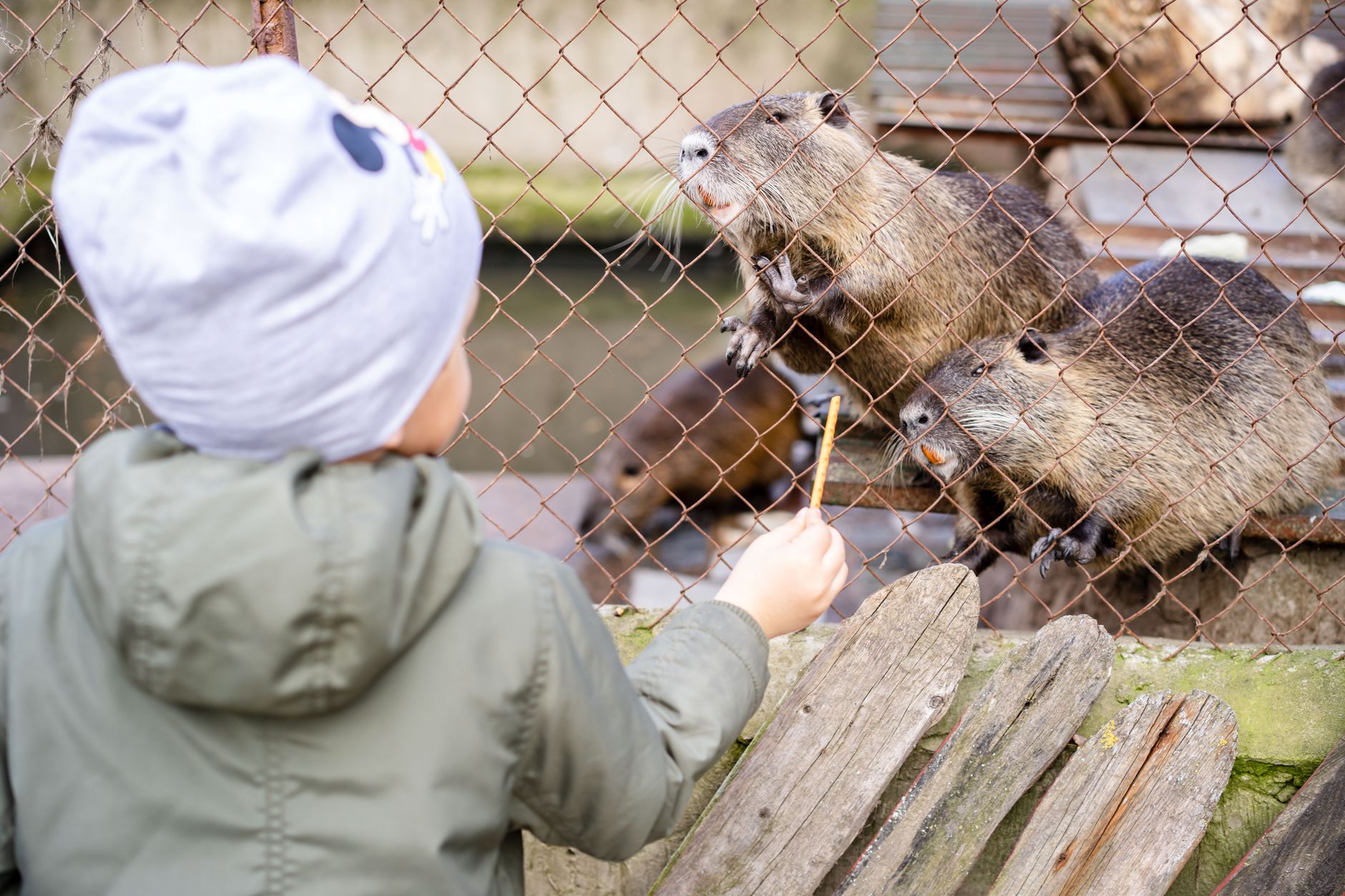
Introduction: A Question of Ethical Responsibility
The presence of zoos in modern society is a subject of ongoing debate. While proponents argue they serve crucial roles in conservation, education, and research, critics raise concerns about the ethical implications of confining wild animals. At the heart of this debate lies a fundamental question: Are animals in zoos happy? It’s a question that demands careful consideration, informed by scientific research, ethical principles, and a genuine commitment to animal welfare. This article delves into the complexities of this issue, exploring the factors that contribute to or detract from the well-being of zoo animals.

What colours are fish most attracted to?
Can you put your finger in a trout's mouth?
Is methylene blue anti bacterial?
Does aquarium salt raise pH in aquarium?
Understanding Animal Welfare: Beyond Basic Survival

Evaluating animal happiness isn’t as simple as observing whether an animal is alive and fed. True animal welfare encompasses a range of factors, including physical health, psychological well-being, and the ability to exhibit natural behaviors. Assessing these aspects requires a comprehensive approach.
- Physical Health: This includes factors like nutrition, veterinary care, and the absence of disease or injury.
- Psychological Well-being: This is more complex and involves assessing stress levels, cognitive function, and the presence of abnormal behaviors (stereotypies).
- Natural Behaviors: Animals need opportunities to engage in behaviors that are natural to their species, such as foraging, socializing, and exploring.
The Potential Benefits of Zoos for Animals
While the question of Are animals in zoos happy? often focuses on negatives, there are potential benefits that well-managed zoos can offer.
- Protection from Predators: In the wild, animals face constant threats from predators. Zoos provide a safe environment free from this threat.
- Access to Veterinary Care: Zoo animals receive regular veterinary check-ups and access to specialized medical care, potentially extending their lifespan compared to their wild counterparts.
- Consistent Food Supply: Zoos provide a reliable and nutritious food supply, eliminating the challenges of finding food in the wild.
- Conservation Efforts: Many zoos actively participate in conservation programs, breeding endangered species and working to protect their natural habitats.
The Challenges of Zoo Confinement
Despite the potential benefits, the challenges of zoo confinement can significantly impact animal welfare.
- Limited Space: Enclosures, even large ones, are often significantly smaller than an animal’s natural home range. This can restrict natural behaviors and lead to boredom and frustration.
- Unnatural Environments: Zoo environments may not accurately replicate the complexity and variability of natural habitats, lacking the sensory stimulation and challenges animals are adapted to.
- Social Restrictions: Social animals may be housed in groups that don’t reflect their natural social structures, leading to conflict or isolation.
- Stereotypies: Repetitive, abnormal behaviors (stereotypies) such as pacing, rocking, or over-grooming are often indicative of stress and poor welfare in zoo animals.
Assessing Animal Happiness: A Multifaceted Approach
Determining whether Are animals in zoos happy? requires a combination of observational and scientific methods.
- Behavioral Observation: Ethologists observe animal behavior to identify signs of stress, boredom, and well-being. This includes monitoring for stereotypies and evaluating the frequency and duration of natural behaviors.
- Physiological Measures: Measuring hormone levels (e.g., cortisol, a stress hormone) can provide insights into an animal’s physiological state.
- Cognitive Testing: Cognitive tests can assess an animal’s problem-solving abilities, memory, and attention span, providing insights into their mental well-being.
- Preference Testing: Offering animals choices (e.g., different substrates, enrichment items) can reveal their preferences and inform enclosure design and management practices.
The Role of Enrichment in Enhancing Welfare
Enrichment is a crucial aspect of zoo management aimed at improving animal welfare by providing stimulating and challenging environments.
- Food-Based Enrichment: Providing food in ways that encourage foraging behavior (e.g., hiding food, using puzzle feeders).
- Sensory Enrichment: Introducing novel smells, sounds, or visual stimuli.
- Social Enrichment: Providing opportunities for social interaction with conspecifics (animals of the same species).
- Cognitive Enrichment: Presenting animals with problem-solving tasks or opportunities to learn new skills.
Beyond Enclosure Size: The Importance of Complexity
While enclosure size is important, the complexity of the enclosure is equally crucial.
- Enclosures should provide a variety of microhabitats, such as areas for sunning, shade, and hiding.
- Vertical space is often overlooked but can be particularly important for arboreal species (animals that live in trees).
- Enclosures should be designed to stimulate natural behaviors, such as climbing, digging, and foraging.
Future Directions: Toward Better Animal Welfare in Zoos
The future of zoos hinges on a commitment to continuous improvement in animal welfare.
- Prioritizing species-specific needs in enclosure design and management practices.
- Investing in ongoing research to better understand animal behavior and welfare.
- Promoting collaboration between zoos, researchers, and conservation organizations.
- Embracing new technologies to monitor animal health and behavior.
Frequently Asked Questions (FAQs)
Are all zoos the same in terms of animal welfare standards?
No, animal welfare standards vary significantly between zoos. Accreditation by organizations like the Association of Zoos and Aquariums (AZA) indicates a commitment to higher standards, but even within accredited zoos, there can be variations. The quality of leadership, the dedication of staff, and the available resources all play a role in determining the level of animal welfare.
Can animals become depressed in zoos?
Yes, animals in zoos can exhibit signs of depression, such as lethargy, loss of appetite, and social withdrawal. These symptoms are often linked to chronic stress and a lack of environmental stimulation. Providing appropriate enrichment and addressing underlying welfare issues can help alleviate these symptoms.
Is it better for animals to be in the wild than in a zoo, regardless of the zoo’s quality?
Not necessarily. While the ideal scenario is a thriving natural habitat, many wild populations face significant threats, including habitat loss, poaching, and climate change. A well-managed zoo can offer protection from these threats and contribute to conservation efforts. However, a poorly managed zoo can be detrimental to an animal’s well-being.
What are stereotypies, and why are they a concern?
Stereotypies are repetitive, abnormal behaviors that serve no apparent purpose. They are often indicative of stress, boredom, and a lack of environmental stimulation. Common examples include pacing, rocking, head-bobbing, and over-grooming. The presence of stereotypies is a significant concern because they suggest that an animal’s psychological needs are not being met.
How can I tell if an animal in a zoo is happy or not?
Assessing animal happiness requires careful observation and an understanding of species-specific behavior. Look for signs of natural behavior, such as foraging, playing, and socializing. Also, watch for signs of stress, such as stereotypies, aggression, or social withdrawal. If you have concerns, consider contacting the zoo’s animal welfare officer or a local animal welfare organization.
What role do zoo visitors play in animal welfare?
Zoo visitors can have both positive and negative impacts on animal welfare. Respectful visitors who observe animals quietly and avoid making loud noises or banging on enclosures contribute to a less stressful environment. Conversely, disruptive visitors can cause stress and anxiety.
How do zoos decide which animals to keep?
Zoos consider several factors when deciding which animals to keep, including conservation priorities, educational opportunities, and available resources. They also consider the animal’s welfare needs and whether they can provide a suitable environment.
Are some animals better suited for zoo life than others?
Yes, some species adapt better to zoo life than others. Animals that are highly social, adaptable, and able to express a wide range of natural behaviors are generally better suited for zoo environments. Species that require large home ranges or highly specialized diets may be more challenging to keep.
Do zoos ever release animals back into the wild?
Yes, some zoos participate in reintroduction programs, where animals born and raised in captivity are released back into their natural habitats. These programs are often complex and require careful planning to ensure the animals’ survival.
How do zoos ensure that animals are properly cared for when staff are not present?
Zoos typically have emergency protocols in place to address any issues that may arise outside of regular hours. This may include security personnel, on-call veterinarians, and automated systems for monitoring temperature, water levels, and other critical parameters.
What is the difference between a zoo and a sanctuary?
A zoo typically exhibits animals for education and conservation purposes, while a sanctuary provides a safe haven for animals that cannot be returned to the wild due to injury, illness, or other circumstances. Sanctuaries typically prioritize the well-being of individual animals over public display.
How does conservation support the idea of Are animals in zoos happy??
The conservation argument suggests that, while individual animals may experience drawbacks in captivity, the larger goal of preserving endangered species justifies their presence in zoos. Through breeding programs and research, zoos contribute to the survival of species facing extinction, potentially benefiting future generations. However, this argument is contingent on zoos prioritizing animal welfare and providing the best possible conditions for the animals in their care.