

Are Angelfish Related to Cichlids?
Yes, angelfish are definitively related to cichlids. They belong to the Cichlidae family, making them, in fact, members of the broader cichlid group.
Introduction: Unveiling the Angelfish’s Cichlid Connection
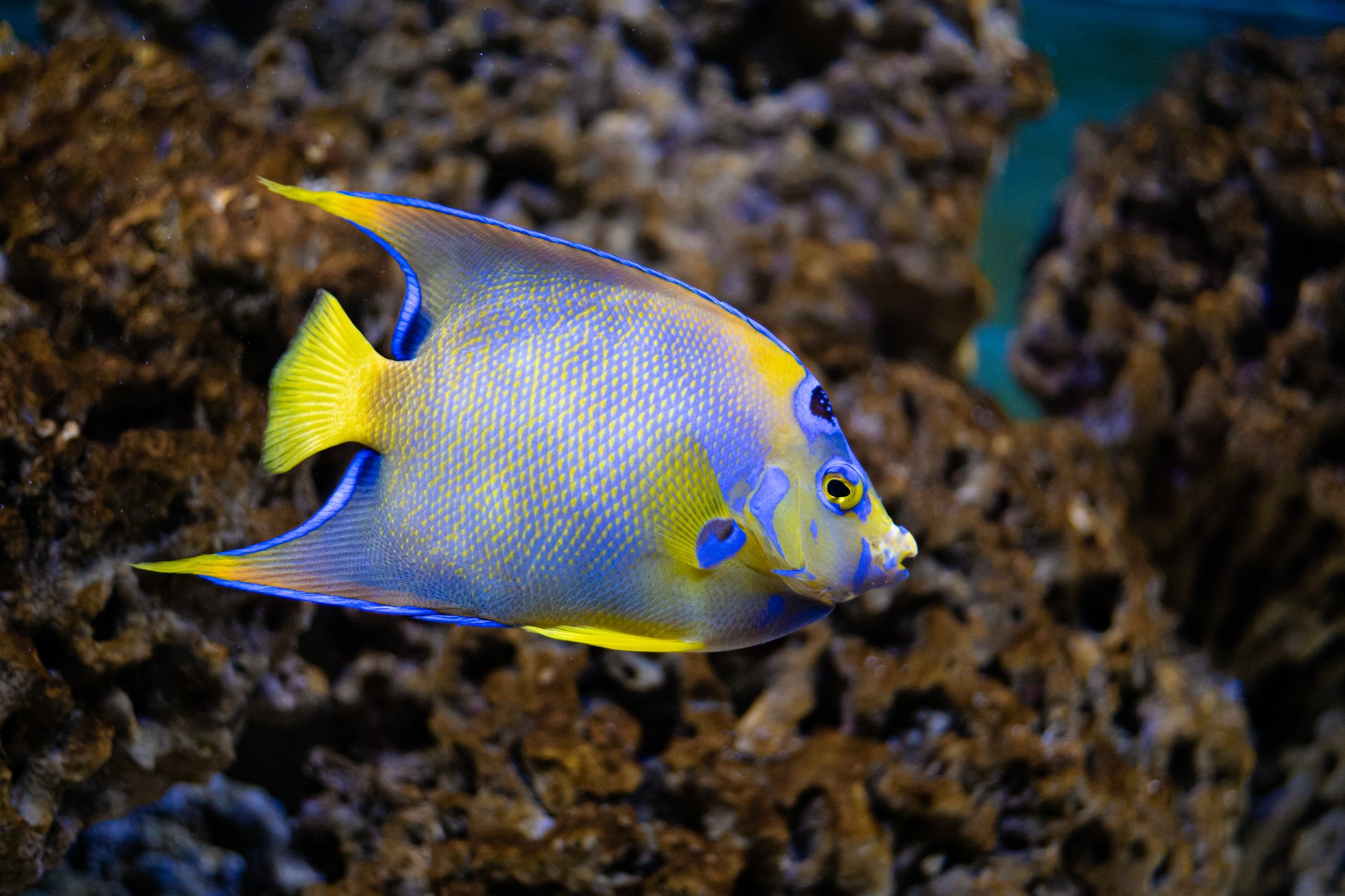
The shimmering elegance of an angelfish gracefully navigating a freshwater aquarium is a sight to behold. These iconic fish, prized for their distinctive triangular shape and serene demeanor, hold a fascinating secret within their DNA. The question, Are angelfish related to cichlids?, is definitively answered in the affirmative. Angelfish, belonging to the genus Pterophyllum, are indeed members of the Cichlidae family, placing them firmly within the cichlid lineage. Understanding this relationship sheds light on their behaviors, care requirements, and evolutionary history. This article will delve into the details of this connection, exploring the shared characteristics and unique adaptations that make angelfish a beloved part of the cichlid world.
What colours are fish most attracted to?
Can you put your finger in a trout's mouth?
Is methylene blue anti bacterial?
Does aquarium salt raise pH in aquarium?
The Cichlidae Family: A Diverse Group

The Cichlidae family is one of the largest vertebrate families, boasting over 1,650 described species. These fish exhibit incredible diversity in size, shape, color, and behavior, inhabiting a wide range of freshwater habitats across Africa, South and Central America, and Asia. Key characteristics that define cichlids include:
- Pharyngeal Jaws: A second set of jaws located in the throat, allowing for specialized food processing.
- Nostril Structure: A single nostril opening on each side of the head.
- Parental Care: Many cichlid species are known for their elaborate and dedicated parental care, often guarding their eggs and fry fiercely.
- Lateral Line Disruption: A broken lateral line on each side of the body
These features, coupled with genetic analysis, firmly establish the cichlid family as a distinct and evolutionary successful group.
Angelfish: A South American Cichlid
Angelfish, belonging to the Pterophyllum genus, are native to the river systems of South America, including the Amazon, Orinoco, and Essequibo basins. Three recognized species exist: Pterophyllum scalare (common angelfish), Pterophyllum altum (altum angelfish), and Pterophyllum leopoldi (dwarf angelfish). While each species possesses unique characteristics, they share fundamental traits that solidify their cichlid identity. These traits include:
- Body Shape: Laterally compressed body, perfectly adapted for navigating dense vegetation.
- Fin Structure: Elongated dorsal and anal fins, contributing to their distinctive triangular profile.
- Reproductive Behavior: Demonstrate biparental care, with both parents guarding and fanning eggs and fry.
- Feeding Habits: Opportunistic omnivores, consuming a varied diet of small invertebrates, algae, and plant matter.
These shared attributes, alongside genetic confirmation, underscore the validity of the statement: Are angelfish related to cichlids? The answer remains a definitive yes.
Similarities and Differences Between Angelfish and Other Cichlids
While angelfish are undoubtedly cichlids, they also possess unique characteristics that set them apart from other members of the family. Comparing angelfish to some other popular cichlids reveals both shared traits and distinct adaptations.
| Feature | Angelfish (Pterophyllum) | Oscar (Astronotus ocellatus) | African Cichlid (e.g., Mbuna) |
|---|---|---|---|
| Origin | South America | South America | Africa |
| Temperament | Relatively Peaceful | Can be Aggressive | Often Very Aggressive |
| Body Shape | Tall, Laterally Compressed | Oval, More Rounded | Variable, Often Elongated |
| Adult Size | 6-8 inches tall | 12-16 inches | 4-6 inches (Mbuna) |
| Diet | Omnivorous | Omnivorous | Herbivorous/Omnivorous |
| Water Chemistry | Soft, Acidic | Soft, Acidic | Hard, Alkaline |
| Parental Care | Biparental | Biparental | Maternal/Paternal (variable) |
This table highlights the diverse nature of the cichlid family, emphasizing that while angelfish share a common ancestry with other cichlids, they have evolved unique adaptations to their specific ecological niche.
Implications for Angelfish Care
Understanding that are angelfish related to cichlids? is crucial for providing optimal care for these beautiful fish. While they are generally more peaceful than many other cichlids, they still require specific conditions to thrive. Key considerations include:
- Tank Size: Angelfish require a tall tank (at least 20 inches high) to accommodate their elongated fins and prevent stress. A 29-gallon tank is the absolute minimum for a pair of adult angelfish, but larger is always better.
- Water Chemistry: Angelfish prefer slightly acidic and soft water conditions (pH 6.0-7.0, KH 4-8). Regular water changes are essential to maintain water quality.
- Tankmates: While generally peaceful, angelfish can be territorial, especially during breeding. Avoid keeping them with fin-nipping fish or overly aggressive tankmates.
- Diet: A varied diet consisting of high-quality flake food, frozen foods (bloodworms, brine shrimp), and occasional live foods will keep your angelfish healthy and vibrant.
By recognizing the Cichlidae lineage of the angelfish and tailoring their care accordingly, aquarists can provide a healthy and enriching environment for these elegant creatures.
Frequently Asked Questions (FAQs) about Angelfish and Cichlids
Are angelfish hard to care for?
Angelfish are generally considered relatively easy to care for, provided their specific needs are met. They require a tall tank, stable water parameters, and appropriate tankmates. With proper research and dedication, even beginner aquarists can successfully keep angelfish.
Can angelfish be kept with other cichlids?
The compatibility of angelfish with other cichlids depends on the specific species. Aggressive cichlids, such as many African cichlids, are generally not suitable tankmates. However, angelfish can sometimes be kept with other peaceful South American cichlids, provided the tank is large enough and there are ample hiding places.
Do angelfish need a lot of plants in their tank?
Angelfish appreciate a densely planted tank, as it provides them with security and simulates their natural habitat. Plants also help to maintain water quality by absorbing nitrates. However, ensure they have enough open swimming space.
What is the ideal water temperature for angelfish?
Angelfish thrive in water temperatures between 78-84°F (25-29°C). Maintaining a stable temperature is crucial for their health and well-being.
How can I tell the difference between male and female angelfish?
Sexing angelfish is difficult, especially in juveniles. During breeding, the genital papilla (a small tube near the vent) of the female will be larger and more rounded than that of the male. However, this is not always a reliable indicator.
What do angelfish eat in the wild?
In their natural habitat, angelfish are opportunistic omnivores. Their diet consists of small invertebrates, algae, plant matter, and detritus.
How long do angelfish live in captivity?
With proper care, angelfish can live for 10 years or more in captivity.
Why are my angelfish fighting?
Angelfish may fight due to territoriality, aggression, or pairing disputes. Ensure the tank is large enough, there are sufficient hiding places, and the tankmates are compatible.
What are the different color variations of angelfish?
Angelfish come in a wide range of color variations, including silver, black, gold, marble, and koi. These variations are the result of selective breeding in captivity.
Do angelfish eat snails?
Angelfish may occasionally eat small snails, but they are not typically considered snail-eating fish. Larger snails are generally safe from angelfish.
How often should I feed my angelfish?
Feed angelfish 2-3 times per day with small portions of food that they can consume in a few minutes.
How do I encourage my angelfish to breed?
To encourage angelfish to breed, provide them with a clean, well-maintained tank, stable water parameters, and a suitable spawning site (e.g., a piece of slate or a broad-leaved plant). Lower the hardness of the water and increase the temperature slightly.