
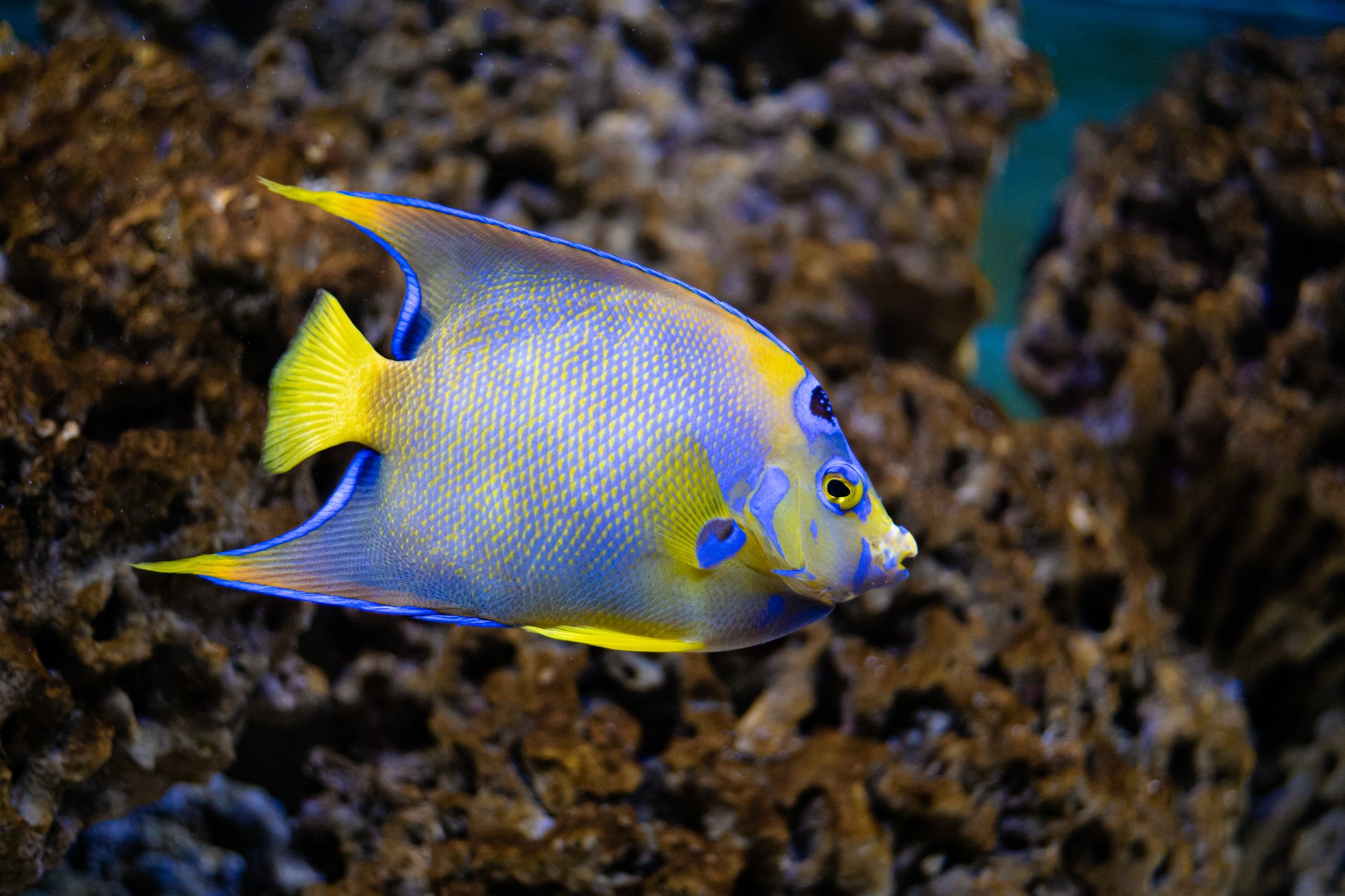
Are Angelfish Expensive? Decoding the Price of Aquatic Elegance
Angelfish prices vary greatly, but generally, they are not considered extremely expensive compared to other exotic fish; however, the initial cost is just the beginning. Factors like species rarity, size, coloration, and source significantly influence the final price tag.

The Allure of the Angelfish: A Background
Angelfish, with their regal bearing and graceful movements, have captivated aquarium enthusiasts for decades. Originating from the Amazon basin of South America, these members of the Cichlidae family bring a touch of the exotic to home aquariums. Their distinctive diamond shape and flowing fins make them instantly recognizable, while their relatively peaceful temperament (especially towards larger tank mates) makes them popular choices for community tanks – provided specific considerations are met.

What colours are fish most attracted to?
Can you put your finger in a trout's mouth?
Is methylene blue anti bacterial?
Does aquarium salt raise pH in aquarium?
Factors Influencing Angelfish Price

Several factors contribute to the price you can expect to pay for an angelfish. Understanding these aspects will help you make an informed decision when adding these beauties to your aquarium.
-
Species Rarity: The common angelfish, Pterophyllum scalare, is the most widely available and therefore the most affordable. Rarer species like Pterophyllum altum (Altum Angelfish) command significantly higher prices due to their difficulty to breed in captivity and their stunning, elongated fins.
-
Coloration and Patterns: Common color variations like silver, black, and marble angelfish are relatively inexpensive. However, exotic colors and patterns, such as koi or leopard angelfish, tend to be pricier due to the selective breeding required to achieve these unique appearances.
-
Size: Larger angelfish generally cost more than smaller juveniles. This is because they’ve required more care and resources to reach their size, and are closer to their full, stunning appearance.
-
Source: Wild-caught angelfish are often more expensive than those bred in captivity. This is due to the challenges associated with collecting and transporting them from their natural habitat, as well as potential concerns about their acclimatization to aquarium life. Angelfish purchased from reputable breeders, while potentially slightly more expensive upfront, may be healthier and better adjusted to aquarium conditions, saving on potential vet costs in the long run.
-
Fin Condition and Overall Health: Angelfish with pristine fins and clear signs of health will be more expensive than those that are damaged or show signs of illness. Always carefully inspect an angelfish before purchasing it to ensure it is healthy and free from parasites or diseases.
The Hidden Costs of Angelfish Ownership
While the initial price of an angelfish might seem reasonable, it’s crucial to consider the long-term costs associated with their care.
-
Aquarium Size: Angelfish require a large aquarium to thrive. A minimum of 29 gallons is recommended for a single angelfish, while a group should be housed in a tank of at least 55 gallons. Larger tanks require more filtration, heating, and substrate, which can significantly increase your setup costs.
-
Filtration: Angelfish produce a fair amount of waste, so a high-quality filtration system is essential to maintain water quality. Canister filters are often recommended for larger angelfish tanks.
-
Heating and Lighting: Angelfish are tropical fish and require a stable water temperature of 78-84°F. A reliable aquarium heater is therefore essential. Lighting is also necessary for plant growth and to showcase the beauty of your angelfish.
-
Food: Angelfish are omnivores and require a varied diet. High-quality flake food supplemented with live or frozen foods such as bloodworms, brine shrimp, and daphnia is recommended.
-
Maintenance: Regular water changes are crucial for maintaining water quality and preventing disease. You’ll also need to purchase water conditioners, test kits, and other maintenance supplies.
-
Potential Health Issues: Angelfish are susceptible to various diseases, such as ich (white spot disease), fin rot, and parasites. Be prepared to invest in medications and treatments should your angelfish become ill.
Angelfish Price Comparison Table
| Angelfish Type | Average Price Range | Notes |
|---|---|---|
| Common Angelfish | $5 – $20 | Most readily available, various color morphs. |
| Marble Angelfish | $10 – $30 | Popular color variation with marbled patterns. |
| Koi Angelfish | $20 – $50 | Sought-after for its orange and white coloration, resembling koi carp. |
| Leopard Angelfish | $25 – $60 | Features spotted patterns similar to a leopard. |
| Altum Angelfish | $50 – $200+ | Rare and highly prized species with elongated fins, more difficult to keep. |
Frequently Asked Questions (FAQs)
Are angelfish difficult to care for?
Angelfish can be relatively easy to care for if you provide them with the right environment and maintain proper water quality. They require a larger tank than many other common aquarium fish, and consistent water changes are important to prevent disease.
How long do angelfish live in captivity?
Angelfish typically live for 5-10 years in captivity, depending on the species, their care, and overall health. Proper diet and maintenance are crucial for extending their lifespan.
What size tank do angelfish need?
A single angelfish needs a minimum of a 29-gallon tank. For a pair or small group of angelfish, a 55-gallon or larger tank is recommended. Remember that angelfish grow fairly large, so providing adequate space is crucial for their well-being.
What do angelfish eat?
Angelfish are omnivores and require a varied diet. Feed them a high-quality flake food supplemented with live or frozen foods such as bloodworms, brine shrimp, and daphnia.
Can angelfish be kept with other fish?
Yes, angelfish can be kept with other fish, but careful consideration must be given to tankmate selection. Avoid keeping them with small, fin-nipping fish such as tiger barbs, as they can harass the angelfish.
What water parameters do angelfish prefer?
Angelfish prefer a water temperature of 78-84°F, a pH of 6.0-7.0, and a hardness of 5-15 dGH. Maintaining stable water parameters is essential for their health.
Do angelfish need a planted tank?
While not strictly necessary, angelfish appreciate a planted tank. Plants provide cover and help to improve water quality.
Are angelfish aggressive?
Angelfish can be territorial, especially during breeding. Providing ample space and hiding places can help to minimize aggression.
How can I tell if my angelfish is sick?
Signs of illness in angelfish include loss of appetite, lethargy, clamped fins, white spots on the body (ich), and cloudy eyes.
How often should I change the water in my angelfish tank?
You should perform weekly water changes of 25-50% in your angelfish tank to maintain water quality.
Do angelfish pair up for life?
Angelfish often pair up for life, and these pairs will typically breed together repeatedly.
What is the best way to breed angelfish?
Breeding angelfish requires a dedicated breeding tank with pristine water quality and a suitable spawning substrate (such as a piece of slate or a broad-leafed plant). Providing the right conditions and allowing the pair to establish a bond are crucial for successful breeding.
Ultimately, Are angelfish expensive? is a multifaceted question. The initial purchase price is only one piece of the puzzle. The true cost lies in providing a suitable environment and maintaining their health and well-being throughout their lifespan. However, the grace and beauty they bring to your aquarium can be well worth the investment for the dedicated aquarist.