

Are Two Coyotes Considered a Pack?
No, two coyotes are generally not considered a pack. While pair bonds are common, a true coyote pack typically involves more members, often including offspring, forming a more complex social structure.

Understanding Coyote Social Structure
Coyotes, adaptable and intelligent canids, exhibit diverse social behaviors. Understanding these behaviors is crucial to answering the question: Are 2 coyotes considered a pack? Their social structure is heavily influenced by factors like habitat, prey availability, and population density. They can be solitary, live in pairs, or form larger packs. It is important to understand the difference.
- Solitary Coyotes: These individuals often hunt alone, especially when resources are scarce or they are dispersing to find new territories.
- Paired Coyotes: A breeding pair is the most common social unit. These pairs are usually monogamous and defend their territory together. This is often where the confusion arises, leading people to ask: Are 2 coyotes considered a pack?
- Coyote Packs: These groups are usually family-based and consist of a breeding pair, their offspring from the current year, and sometimes offspring from previous years who haven’t yet dispersed.

What colours are fish most attracted to?
Can you put your finger in a trout's mouth?
Is methylene blue anti bacterial?
Does aquarium salt raise pH in aquarium?
Defining a “Pack” in the Coyote World
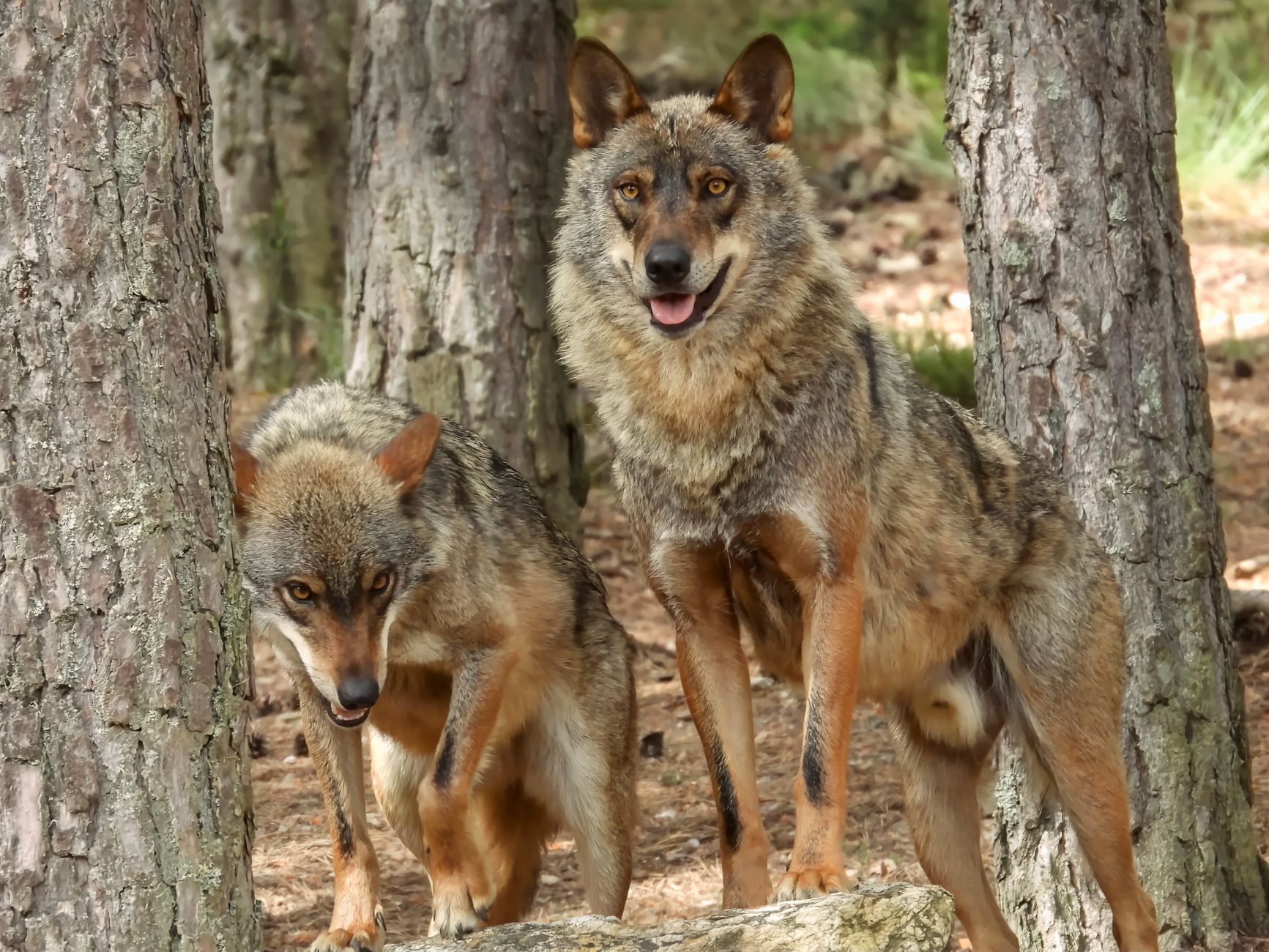
The term “pack” implies a specific social organization. It isn’t simply about a group of animals together. A pack involves:
- Cooperative Hunting: Members work together to take down larger prey. This is less common for just two coyotes.
- Territorial Defense: The entire group defends a shared territory against intruders.
- Shared Pup-Rearing: Older siblings may help care for younger pups, increasing their chances of survival.
- Established Hierarchy: Although less rigid than in wolf packs, there is generally a dominance hierarchy within the pack.
Are 2 coyotes considered a pack? Based on these criteria, the answer is typically no. A pair represents a basic breeding unit, but it lacks the complexity and collaborative nature of a true pack.
Factors Influencing Coyote Group Size
Coyote social structure isn’t fixed. The size of a coyote group can change depending on several factors:
- Prey Abundance: When prey is plentiful, larger groups can be supported.
- Habitat: Open areas often support larger territories and potentially larger packs.
- Human Activity: Increased human presence can disrupt coyote social structures.
- Pup Survival: Higher pup survival rates can lead to larger pack sizes, at least temporarily.
The Role of the Breeding Pair
The breeding pair is the foundation of most coyote social structures, even packs. They are usually the dominant individuals and are responsible for reproduction and territory defense. However, are 2 coyotes considered a pack if that is all that they are? Again, the answer leans toward no. It’s a breeding pair, a dyad, not a pack in the truest sense.
Common Misconceptions About Coyote Packs
A common misconception is that any group of coyotes constitutes a pack. Simply seeing multiple coyotes together doesn’t automatically mean they are a cohesive social unit. They might be temporarily associating due to a shared food source or during mating season. It is important to remember the complex social dynamics that define the term.
| Feature | Breeding Pair | Coyote Pack |
|---|---|---|
| Membership | Two adult coyotes (usually male and female) | Breeding pair + offspring (current & sometimes previous years) |
| Social Structure | Minimal hierarchy | More complex hierarchy, typically family-based |
| Hunting | Primarily individual or pair hunting | Cooperative hunting of larger prey is possible |
| Territory | Shared territory, defended by both individuals | Shared territory, defended by the entire group |
| Pup-Rearing | Breeding pair responsible for pup care | Breeding pair primarily, but other pack members may assist |
The Dynamics of Coyote Pair Bonds
Pair bonds in coyotes are usually long-lasting, often for life. This strong bond is crucial for successful reproduction and territory defense. However, this fact doesn’t mean that Are 2 coyotes considered a pack? It merely illustrates the strength and importance of a single, vital component of a pack’s possible structure.
Frequently Asked Questions About Coyote Packs
What is the typical size of a coyote pack?
Coyote packs usually range from 3 to 7 individuals. This commonly includes the breeding pair and their offspring.
How do coyotes form packs?
Packs primarily form through family bonds. Offspring stay with their parents for an extended period, helping to raise subsequent litters and learn survival skills.
Do coyotes always live in packs?
No, coyotes don’t always live in packs. Many individuals live solitary lives or form pairs, especially when resources are scarce.
What are the benefits of living in a coyote pack?
Living in a pack offers several advantages, including increased hunting success, better territory defense, and improved pup survival.
How do coyotes communicate within a pack?
Coyotes use a variety of communication methods, including vocalizations (howls, barks, yips), scent marking, and body language.
How long do young coyotes stay with their parents?
Young coyotes typically stay with their parents until they are 6 to 18 months old. They then disperse to find their own territories or mates.
What happens when a coyote pack grows too large?
When a pack becomes too large, younger members may be forced to disperse to reduce competition for resources.
Are coyote packs territorial?
Yes, coyote packs are highly territorial. They actively defend their territories against other coyotes and intruders.
Do coyotes from different packs ever interact peacefully?
Interactions between coyote packs are usually aggressive. However, under specific circumstances, such as shared resources or during mating season, they might tolerate each other’s presence.
How do humans impact coyote pack dynamics?
Human activities, such as habitat fragmentation, hunting, and urbanization, can disrupt coyote pack structures and lead to changes in their behavior.
What is the difference between a wolf pack and a coyote pack?
Wolf packs are typically larger and more structured than coyote packs. Wolf packs also tend to engage in more cooperative hunting behavior.
If I see two coyotes traveling together, can I assume they are a breeding pair?
It is highly likely if the coyotes are observed frequently together and during mating season. But seeing two coyotes on one occasion does not confirm they are a breeding pair.