
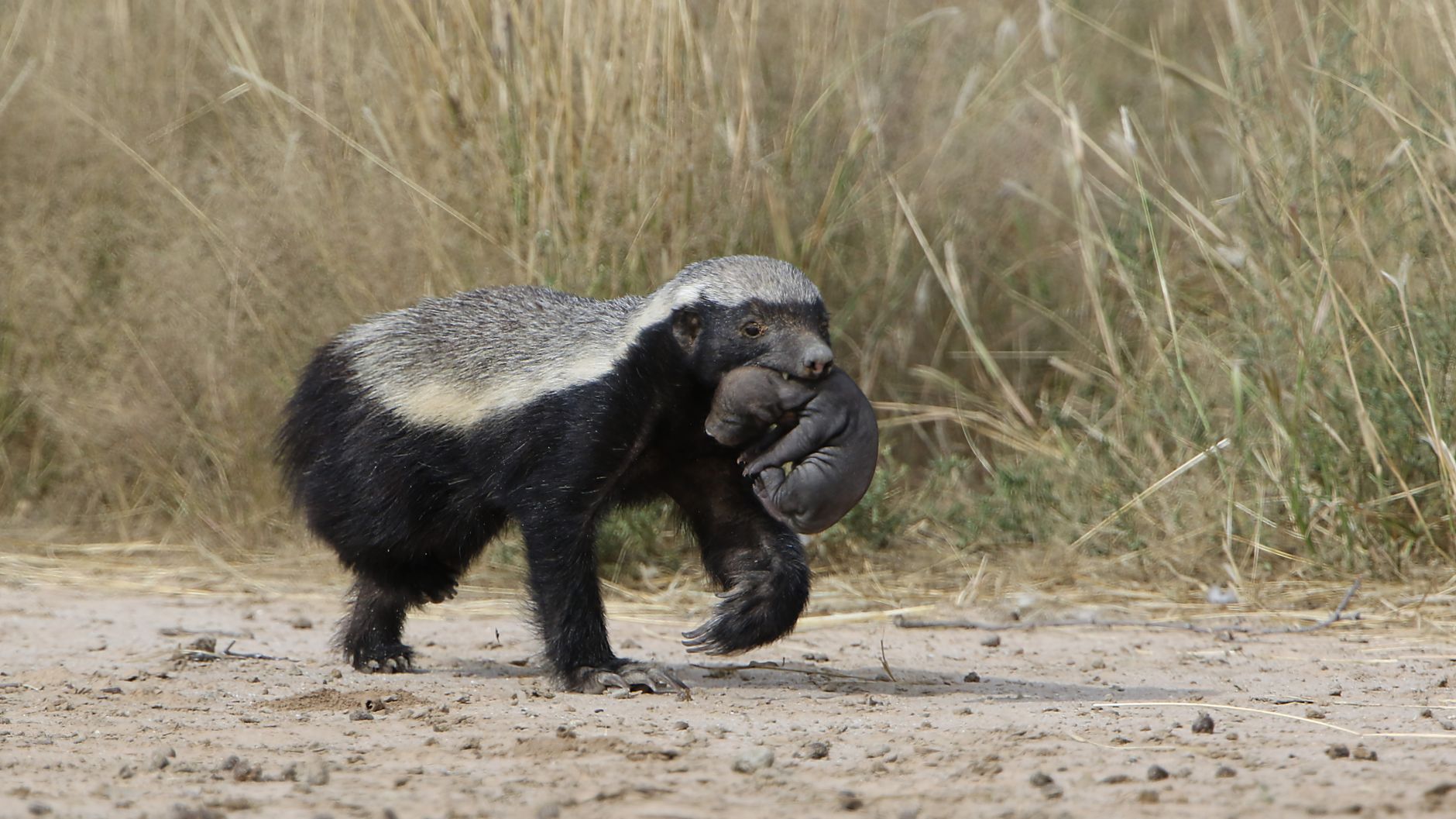
Honey Badger vs. Tiger: Who Would Win in a Fight?
The answer isn’t as clear-cut as you might think, but under most realistic scenarios, the tiger would likely win. While the honey badger possesses incredible tenacity and impressive defenses, the tiger’s size, power, and weaponry are generally overwhelming.

A Clash of Titans (Sort Of): Introduction
The animal kingdom offers a plethora of fascinating matchups, but few capture the imagination quite like the hypothetical battle between a honey badger and a tiger. On one hand, we have the honey badger, a creature renowned for its fearless attitude and remarkable resilience. On the other, we have the tiger, a apex predator of immense power and lethal grace. Would a honey badger beat a tiger? This question sparks debate and delves into the realms of relative strength, weaponry, and sheer tenacity.

Is distilled water good for goldfish?
What colours are fish most attracted to?
Can you put your finger in a trout's mouth?
Is methylene blue anti bacterial?
Understanding the Honey Badger

The honey badger (Mellivora capensis) is a mustelid native to Africa, Southwest Asia, and the Indian subcontinent. Despite its relatively small size, it possesses a reputation for unmatched ferocity and a near-impenetrable defense. What characteristics give this creature such a bold image?
- Thick, Loose Skin: Perhaps the honey badger’s most defining feature is its incredibly thick and loose skin. This allows it to withstand bites, scratches, and even bee stings. The loose skin also allows it to twist and turn within its skin, enabling it to bite back even when grabbed.
- Powerful Jaws: Honey badgers have incredibly powerful jaws capable of crushing bones. Their teeth are adapted for tearing meat and tackling prey much larger than themselves.
- Tenacity and Aggression: Honey badgers are known for their relentless aggression. They rarely back down from a fight, even when facing larger and more dangerous predators. Their fearless nature is a key component of their survival strategy.
Deciphering the Tiger’s Arsenal
The tiger (Panthera tigris) is one of the world’s largest and most formidable predators. Found in various parts of Asia, these apex predators reign supreme in their environments. Their dominance stems from several key attributes:
- Size and Strength: Tigers are significantly larger and stronger than honey badgers. Their sheer size allows them to overpower and subdue most prey.
- Powerful Claws and Teeth: Armed with razor-sharp claws and massive canine teeth, tigers possess a devastating arsenal for both offense and defense. Their bite force is among the strongest of all felines.
- Hunting Prowess: Tigers are skilled hunters, relying on stealth, speed, and power to ambush and take down their prey. They are masters of their environment, honed by generations of successful hunting.
Key Differences: Size, Strength and Strategy
The core difference between these two combatants lies in their sheer size and power disparity.
| Feature | Honey Badger | Tiger |
|---|---|---|
| Weight | 15-40 lbs | 220-660 lbs |
| Size | Relatively small | Very large |
| Primary Weapon | Jaws, Thick skin | Claws, Teeth, Size |
| Temperament | Aggressive, Fearless | Powerful, Calculating |
| Strategy | Endurance, Defensiveness | Ambush, Overpowering |
Factors Influencing a Potential Encounter
Would a honey badger beat a tiger? The outcome of such a fight would depend on several factors:
- Environment: A confined space could favor the honey badger’s agility and relentless attacks. Conversely, an open area would give the tiger more room to maneuver and utilize its superior strength.
- Health and Condition: The health and physical condition of both animals would play a crucial role. A weakened or injured tiger might be more vulnerable to the honey badger’s attacks.
- Motivation: Whether the fight is for territory, food, or defense could influence the intensity and outcome.
Why the Tiger Usually Prevails
While the honey badger’s tenacity and defensive capabilities are impressive, they are unlikely to overcome the tiger’s overwhelming advantages in size, strength, and weaponry. The tiger’s bite force, combined with its sharp claws, would eventually breach the honey badger’s defenses. While the honey badger could inflict some damage, it is unlikely to deliver a fatal blow. The tiger could use its superior mass to pin the badger down and deliver a killing bite.
Survival Strategies, Not Combat Prowess
The honey badger’s survival hinges more on deterrence than direct combat victory. Its aggression and thick skin deter many predators from attempting an attack in the first place. It’s a strategy that works remarkably well, keeping the honey badger alive and thriving despite sharing its environment with far more powerful creatures. This doesn’t mean it would beat a tiger, but it helps it survive in proximity.
Frequently Asked Questions
Would a pack of honey badgers beat a tiger?
Potentially, yes. A group of honey badgers working together could harass and overwhelm a tiger. Their combined aggression and relentless attacks could exhaust the tiger and create opportunities for vulnerable spots to be targeted. However, the tiger could still inflict significant casualties within the pack.
What is the honey badger’s bite force?
While not exceptionally high compared to other predators of its size, the honey badger’s bite force is surprisingly powerful. It’s estimated to be around 50-70 psi. Combined with their jaw structure, this allows them to crush bone and inflict significant damage.
Is a honey badger immune to snake venom?
No, honey badgers are not immune to snake venom. They are, however, resistant to the venom of many snake species. They can survive bites from venomous snakes that would be fatal to other animals, but it can still make them very sick and potentially lead to death.
What is the tiger’s hunting strategy?
Tigers primarily use an ambush hunting strategy. They rely on their camouflage and stealth to get close to their prey before launching a sudden, powerful attack. They typically target the neck or throat to quickly disable their victims.
How does the honey badger’s skin protect it?
The honey badger’s thick, loose skin serves as a natural armor. It’s so thick that even sharp claws and teeth often struggle to penetrate it. The looseness also allows the honey badger to twist and turn within its skin, making it difficult for predators to get a solid grip.
What other animals could the honey badger realistically defeat?
Honey badgers are known to successfully prey on and defend themselves against a variety of animals, including snakes, scorpions, and even animals much larger than themselves like wildebeests. However, this usually involves opportunistic attacks on vulnerable animals or deterring potential threats.
What is the tiger’s bite force?
Tigers possess an incredibly powerful bite force, estimated to be around 1,050 PSI. This is more than enough to crush bone and inflict fatal injuries.
How smart is the honey badger?
Honey badgers are considered relatively intelligent animals. They have been observed using tools and solving problems, suggesting a higher level of cognitive ability than many other mustelids.
What is the lifespan of a honey badger?
In the wild, honey badgers typically live for 7-10 years. In captivity, they can live much longer, sometimes exceeding 20 years.
What are the honey badger’s main predators?
While honey badgers are known for their fearlessness, they are still vulnerable to predators. Their main predators include leopards, lions, and hyenas. However, their aggression and defensive capabilities often deter these predators from attempting an attack.
Are honey badgers social animals?
Honey badgers are generally solitary animals, except during mating season. They typically live and hunt alone, only coming together to reproduce.
What is the conservation status of honey badgers and tigers?
Honey badgers are listed as Least Concern by the IUCN. Tigers, on the other hand, are listed as Endangered, facing significant threats from habitat loss, poaching, and human conflict.