

Will Mucus in Lungs Eventually Go Away? Understanding Pulmonary Clearance
Will mucus in lungs eventually go away? Yes, in most cases, mucus in the lungs will eventually clear through natural mechanisms, but the timeframe and effectiveness depend heavily on the underlying cause and individual health.
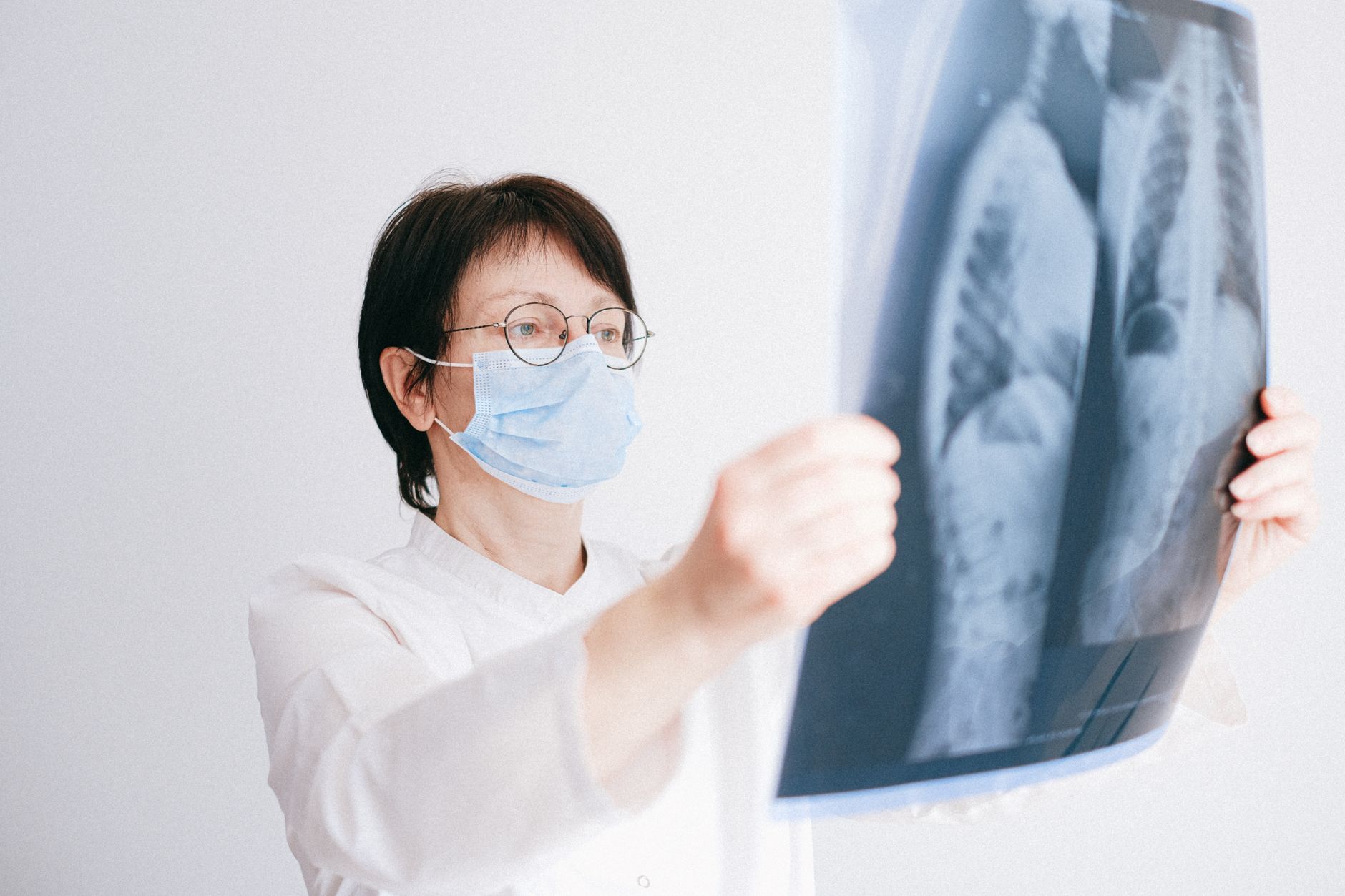
Mucus in the lungs, also known as phlegm, is a normal bodily secretion designed to trap irritants and pathogens. However, excessive or persistent mucus can indicate an underlying health problem. Understanding the dynamics of mucus production and clearance is crucial for maintaining respiratory health.
The Role of Mucus in the Respiratory System
Mucus plays a vital protective role in the respiratory system. It acts as a sticky barrier, trapping dust, allergens, viruses, and bacteria before they can reach the delicate lung tissue. This trapped material is then moved up the airways via the mucociliary escalator.
- Trapping: Mucus adheres to foreign particles.
- Transport: Cilia, tiny hair-like structures, move the mucus upward.
- Elimination: The mucus is either swallowed or expelled through coughing.
Without mucus, the lungs would be far more vulnerable to infection and damage from environmental irritants.
Causes of Excessive Mucus Production
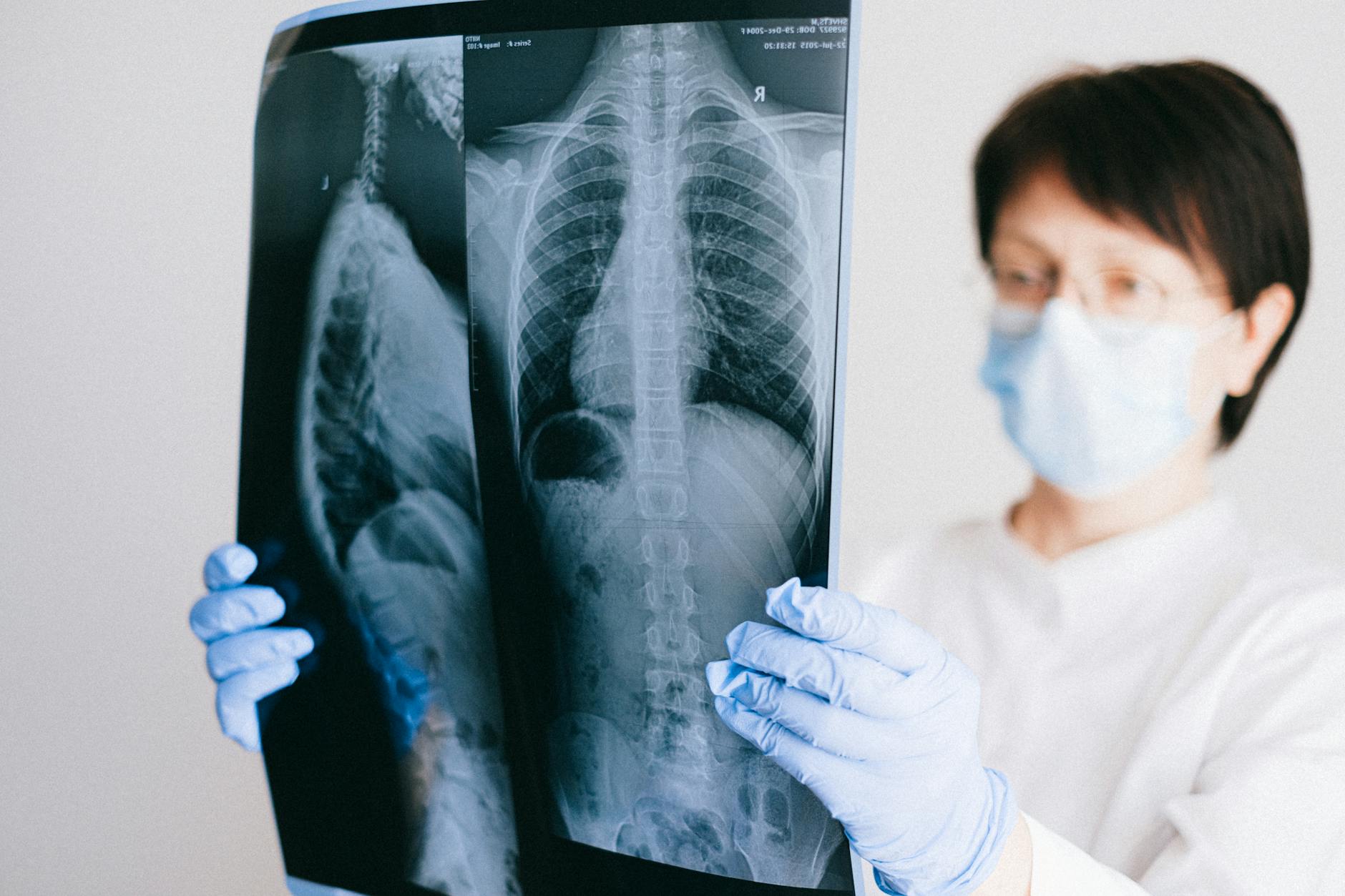
While mucus is necessary, overproduction can be problematic. Several factors can contribute to excessive mucus in the lungs:
- Infections: Viral infections like the common cold or flu, and bacterial infections like pneumonia, can trigger increased mucus production.
- Allergies: Exposure to allergens like pollen, dust mites, or pet dander can irritate the airways and lead to mucus buildup.
- Irritants: Smoking, air pollution, and chemical fumes can inflame the airways and stimulate mucus secretion.
- Chronic Conditions: Conditions like chronic bronchitis, cystic fibrosis, and asthma can cause persistent mucus overproduction.
- Gastroesophageal Reflux Disease (GERD): Stomach acid reflux can irritate the airways, triggering mucus production.
The Body’s Natural Mucus Clearance Mechanisms
The body has several natural mechanisms to clear mucus from the lungs. The most important are:
- Coughing: A forceful expulsion of air that helps dislodge and expel mucus.
- Mucociliary Escalator: The coordinated movement of cilia that propels mucus up the airways.
- Swallowing: Mucus that reaches the back of the throat is typically swallowed without conscious awareness.
- Immune Response: Immune cells in the lungs help break down and clear mucus.
When Mucus Clearance is Impaired
Sometimes, these natural clearance mechanisms are impaired, leading to mucus accumulation. Factors that can hinder mucus clearance include:
- Dehydration: Mucus becomes thicker and more difficult to move when the body is dehydrated.
- Ciliary Dysfunction: Conditions like cystic fibrosis can damage cilia, impairing their ability to transport mucus.
- Weak Cough: Weakness due to age, illness, or neuromuscular disorders can make coughing ineffective.
- Airway Obstruction: Obstructions like tumors or foreign objects can block mucus flow.
Strategies to Aid Mucus Clearance
Several strategies can help promote mucus clearance from the lungs:
- Hydration: Drinking plenty of fluids thins the mucus, making it easier to cough up.
- Humidification: Using a humidifier or taking steamy showers can moisten the airways and loosen mucus.
- Coughing Techniques: Controlled coughing techniques, such as huff coughing, can be more effective at clearing mucus.
- Chest Physiotherapy: Techniques like postural drainage, percussion, and vibration can help loosen and mobilize mucus.
- Medications: Mucolytics (e.g., guaifenesin) can thin mucus, while expectorants can help loosen it. Bronchodilators can open airways.
- Exercise: Physical activity can stimulate deeper breathing and improve mucus clearance.
Potential Complications of Untreated Mucus Accumulation
If excessive mucus in the lungs is left untreated, it can lead to several complications:
- Increased Risk of Infection: Mucus accumulation provides a breeding ground for bacteria and viruses, increasing the risk of pneumonia and bronchitis.
- Breathing Difficulty: Excessive mucus can obstruct airways, making it difficult to breathe.
- Chronic Cough: Persistent mucus can trigger a chronic cough that is both irritating and exhausting.
- Lung Damage: In severe cases, chronic mucus accumulation can lead to permanent lung damage, such as bronchiectasis.

Frequently Asked Questions (FAQs)
What does it mean when my mucus is green or yellow?
Green or yellow mucus often indicates a bacterial infection. The color comes from white blood cells that are fighting the infection. While it’s not always a sign of a serious problem, it’s best to consult a doctor, especially if you have other symptoms like fever or shortness of breath.
Can diet affect mucus production?
Yes, diet can influence mucus production. Some foods, like dairy products, are often thought to increase mucus production in some individuals, although this is debated. Staying hydrated with water and avoiding excessive amounts of sugary drinks, alcohol, and processed foods is generally recommended for optimal respiratory health.
Is it possible to be allergic to mucus itself?
No, you can’t be allergic to mucus itself. Mucus is a normal bodily secretion. However, you can be allergic to components within the mucus, such as pollen or mold spores that have been trapped.
How can I tell the difference between a cold and bronchitis?
Both colds and bronchitis can cause coughing and mucus production, but bronchitis often involves a deeper cough and chest congestion. Colds typically resolve within a week or two, while bronchitis can last for several weeks or even months, especially in chronic bronchitis. Consulting a doctor is crucial for an accurate diagnosis.
Are there any natural remedies for clearing mucus?
Yes, many natural remedies can help clear mucus. These include steam inhalation, honey (for cough), ginger tea, and saline nasal rinses. Staying hydrated and avoiding irritants like smoke are also beneficial. However, it is important to consult with a healthcare professional before using any natural remedies, especially if you have underlying health conditions.
Can stress or anxiety worsen mucus production?
While stress and anxiety don’t directly cause mucus production, they can exacerbate respiratory symptoms and make it feel like there’s more mucus present. This is because stress can tighten the chest muscles and airways, making it harder to breathe and clear mucus.
Is a dry cough always better than a wet cough?
Neither a dry cough nor a wet cough is inherently “better.” A wet cough (productive cough) indicates that your body is trying to clear mucus. A dry cough, on the other hand, can be irritating and unproductive. The type of cough can provide clues about the underlying cause.
When should I see a doctor about mucus in my lungs?
You should see a doctor if you experience any of the following: thick, colored mucus, shortness of breath, chest pain, fever, wheezing, or if your cough lasts for more than a few weeks. These symptoms could indicate a more serious underlying condition that requires medical treatment.
Can I use over-the-counter medications to help clear mucus?
Yes, over-the-counter medications like expectorants (e.g., guaifenesin) and mucolytics can help thin and loosen mucus, making it easier to cough up. Decongestants can also help to reduce nasal congestion, which can contribute to postnasal drip and mucus buildup in the lungs. However, always follow the instructions on the label and consult with a pharmacist or doctor if you have any questions or concerns.
Does smoking affect mucus production and clearance?
Yes, smoking severely impairs both mucus production and clearance. It irritates the airways, leading to increased mucus production, and damages the cilia, hindering their ability to clear mucus. This contributes to chronic bronchitis and other respiratory problems.
How does cystic fibrosis affect mucus in the lungs?
Cystic fibrosis causes the body to produce thick, sticky mucus that clogs the lungs and other organs. This thick mucus is very difficult to clear, leading to chronic lung infections and damage. Specialized treatments are required to manage the mucus and prevent complications.
Are there any preventative measures I can take to reduce mucus production?
Several preventative measures can help reduce mucus production. These include avoiding smoking and other irritants, staying hydrated, managing allergies, and getting vaccinated against the flu and pneumonia. Regular exercise and good hygiene practices can also help maintain respiratory health. Understanding your body and being aware of triggers is crucial in managing mucus production. Will mucus in lungs eventually go away if you follow these steps? While it depends on the underlying cause, a proactive approach significantly improves your chances.