
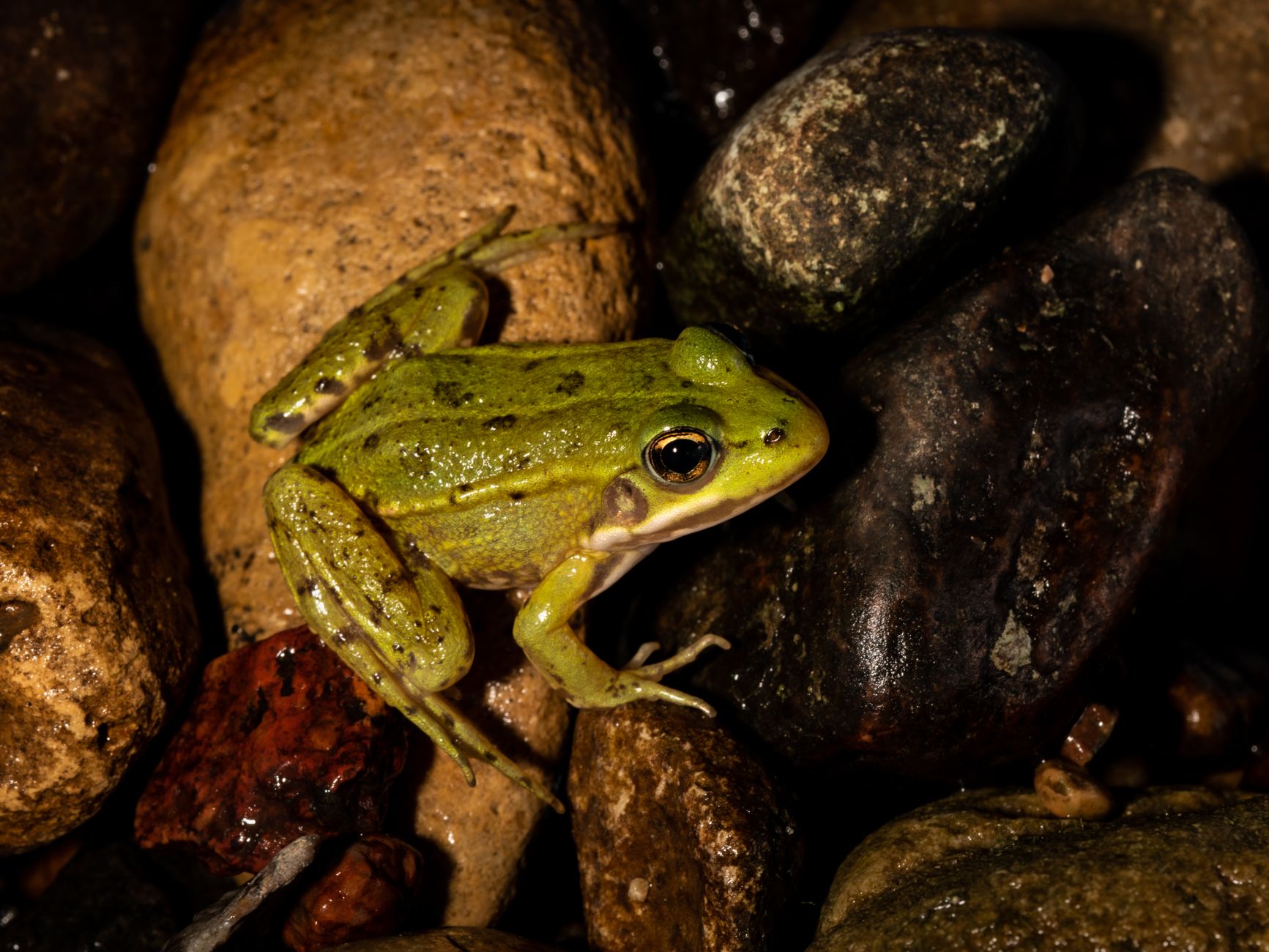
Are Kidneys Present in Frogs? A Comprehensive Look
Yes, frogs definitely have kidneys. These essential organs perform the same vital filtration and waste removal functions as in other vertebrates, playing a critical role in maintaining the frog’s internal balance.

The Vital Role of Kidneys in Amphibians
Frogs, being amphibians, occupy a unique position in the animal kingdom. They transition between aquatic and terrestrial environments, which demands remarkable adaptations in their physiology, particularly in their excretory system. Understanding the frog kidney is crucial to appreciating this adaptation. The presence and function of kidneys in frogs are therefore paramount to their survival.
Anatomy of the Frog Kidney

The frog kidney, or more precisely, the mesonephros in most adult frogs, is a paired organ located dorsally within the abdominal cavity. Here’s a breakdown of its structure:
- Location: Situated along the dorsal body wall, outside the peritoneal cavity.
- Shape: Typically elongated and bean-shaped.
- Function: Filters waste from the blood and regulates water and electrolyte balance.
- Nephrons: The functional units responsible for filtration. Each kidney contains numerous nephrons.
- Ducts: The kidneys connect to the ureters, which transport urine to the bladder.
Functionality of the Frog Kidney: Filtration and Regulation
The primary functions of the frog kidney revolve around two key processes:
- Filtration: Blood enters the kidney and is filtered through structures called glomeruli within the nephrons. This process removes waste products, excess ions, and water.
- Reabsorption: Essential substances like glucose, amino acids, and some water are reabsorbed back into the bloodstream, preventing their loss in the urine.
- Secretion: Additional waste products and excess ions are secreted directly into the tubules of the nephrons for excretion.
- Regulation: The kidneys play a critical role in regulating the body’s water and electrolyte balance, which is vital for maintaining homeostasis, especially given the frog’s semi-aquatic lifestyle. This regulation involves hormones like vasotocin (similar to vasopressin in mammals).
Frog Kidney vs. Mammalian Kidney: Key Differences
While both frog and mammalian kidneys perform similar functions, there are some notable differences:
| Feature | Frog Kidney (Mesonephros) | Mammalian Kidney (Metanephros) |
|---|---|---|
| Type | Mesonephric | Metanephric |
| Complexity | Less Complex | More Complex |
| Urine Production | Dilute Urine | Concentrated Urine |
| Location | Dorsal body wall | Retroperitoneal |
Adaptations for Aquatic vs. Terrestrial Life
The amphibian kidney exhibits remarkable adaptations to cope with varying environmental conditions. In aquatic environments, frogs tend to produce dilute urine to eliminate excess water absorbed through their skin. In terrestrial environments, they can reduce urine production to conserve water, relying more on the reabsorption process within the kidney.
Development of Kidneys in Frogs
The development of kidneys in frogs is a fascinating process. Initially, frogs develop a pronephros, a primitive kidney, during their larval stage (tadpole). This pronephros is later replaced by the mesonephros, which functions as the main kidney in the adult frog. Finally, some studies suggest the presence of a rudimentary metanephros.
Factors Affecting Frog Kidney Function
Several factors can influence the function of frog kidneys, including:
- Hydration levels: Water availability directly impacts urine production.
- Temperature: Temperature affects metabolic rate and kidney function.
- Hormones: Hormones such as vasotocin regulate water reabsorption.
- Pollution: Exposure to pollutants can damage the kidneys and impair their function.

Frequently Asked Questions (FAQs)
What happens if a frog’s kidneys fail?
If a frog’s kidneys fail, waste products will accumulate in the body, leading to toxicity and ultimately death. The frog would be unable to regulate its water and electrolyte balance, disrupting vital physiological processes.
Do frogs have a bladder connected to their kidneys?
Yes, frogs have a urinary bladder that receives urine from the kidneys via the ureters. The bladder stores urine before it is excreted through the cloaca.
How do frog kidneys help them adapt to different environments?
Frog kidneys allow frogs to adjust urine production based on water availability. In water, they excrete dilute urine, and on land, they conserve water by producing more concentrated urine, helped by hormonal regulation.
Are the kidneys of a tadpole the same as those of an adult frog?
No, tadpoles initially have a pronephros (a more primitive kidney) that is later replaced by the mesonephros in the adult frog.
Can frog kidneys be damaged by environmental pollution?
Yes, exposure to pollutants, such as pesticides and heavy metals, can damage frog kidneys and impair their function, contributing to population declines.
How do frog kidneys contribute to their overall health?
Frog kidneys are essential for maintaining homeostasis by filtering waste, regulating water and electrolyte balance, and preventing the buildup of toxins in the body. Healthy kidneys are vital for the frog’s overall health and survival.
What is the role of vasotocin in frog kidney function?
Vasotocin, a hormone similar to vasopressin in mammals, plays a critical role in regulating water reabsorption in the frog kidney. It helps the frog conserve water, particularly in terrestrial environments.
Do male and female frogs have differences in their kidney structure or function?
While the fundamental structure and function of the kidneys are similar in male and female frogs, there may be slight variations related to reproductive physiology and hormone levels. These differences aren’t typically significant.
Are there any diseases that specifically affect frog kidneys?
Yes, frogs can be susceptible to various kidney diseases, including infections, tumors, and toxicities. These conditions can impair kidney function and lead to health problems.
How do scientists study frog kidney function?
Scientists use various techniques to study frog kidney function, including physiological experiments, anatomical studies, and molecular analyses. These studies help understand how frog kidneys adapt to different environments and respond to environmental stressors.
What type of wastes are filtered out by frog kidneys?
Frog kidneys filter out various waste products from the blood, including urea, ammonia, excess ions (like sodium and potassium), and other metabolic byproducts.
How much urine does a frog produce in a day?
The amount of urine a frog produces varies depending on factors like water availability, temperature, and activity level. Generally, frogs in aquatic environments produce significantly more urine than those in terrestrial environments.