

Do Swans Sleep: Land or Water? Unveiling the Nocturnal Habits of Cygnus
Do swans sleep on land or water? Swans can sleep on both land and water, choosing whichever offers the best combination of safety and comfort depending on environmental conditions and potential threats.

Introduction: The Mysterious Slumber of Swans
Swans, those majestic symbols of grace and beauty, often inspire wonder and curiosity. We see them gliding effortlessly across lakes, ponds, and rivers, their elegant forms captivating our attention. But what happens when the sun sets? Where do these magnificent creatures go to sleep? Understanding the sleeping habits of swans reveals fascinating insights into their behavior, ecology, and survival strategies. This article will delve into the details of how and where swans choose to rest, exploring the factors that influence their decision-making process.
Factors Influencing Sleep Location
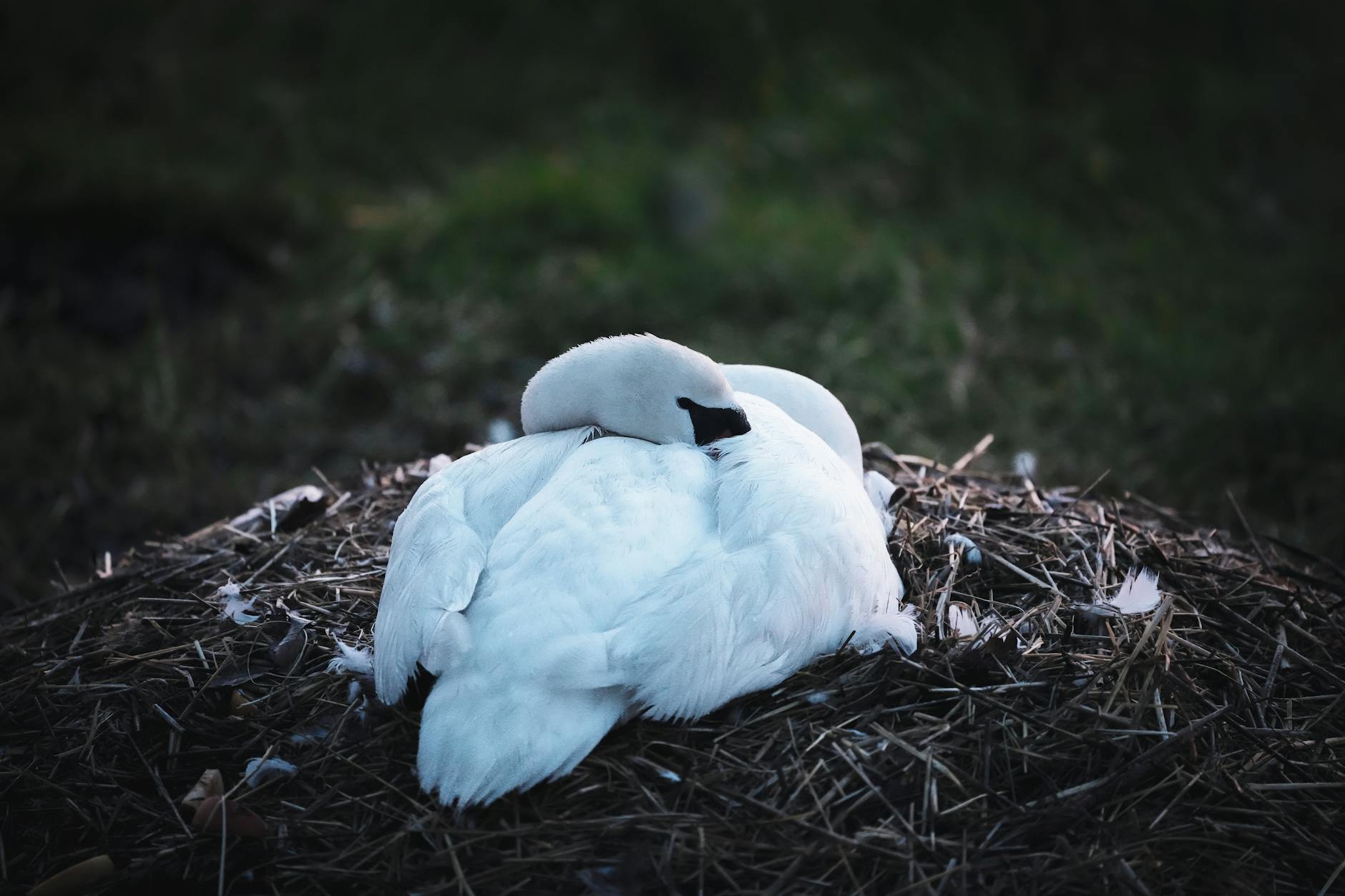
Several factors influence whether a swan chooses to sleep on land or water. These include predator presence, weather conditions, and the availability of suitable roosting sites.
- Predator Risk: Swans are vulnerable to predators such as foxes, coyotes, and even large birds of prey, especially when on land. Therefore, sleeping on the water often provides a safer option, as predators are less likely to access them there.
- Weather Conditions: In harsh weather, such as freezing temperatures or strong winds, swans may seek shelter on land, particularly in areas with dense vegetation or natural windbreaks. They also huddle together for warmth.
- Habitat Availability: The availability of suitable roosting sites, both on land and water, plays a significant role. Swans require secure and relatively undisturbed areas for resting. A shallow area of water with protective vegetation is often ideal.
- Flock Dynamics: Swans are social birds, and their sleeping arrangements often reflect this. They may choose to roost together for safety in numbers, whether on land or water.
Sleep Positions and Behaviors
Swans exhibit various sleep positions, depending on their location and comfort level. On water, they often float with their head tucked under a wing, conserving body heat and maintaining buoyancy. On land, they may sit or stand with their head tucked in or resting on their back.
- On Water: Floating with head tucked under wing, legs paddling gently to maintain position.
- On Land: Sitting or standing, head tucked under wing or resting on back, often near other swans.
- Alertness: Swans maintain a degree of alertness even when sleeping, periodically raising their heads to scan their surroundings for potential threats. This is a crucial survival mechanism.
The Benefits of Sleeping on Water
Sleeping on water offers several advantages for swans, primarily related to safety.
- Reduced Predator Risk: As mentioned earlier, sleeping on water significantly reduces the risk of predation from land-based animals.
- Easy Escape: If a threat does appear, swans can quickly take flight from the water, allowing for a rapid escape.
- Natural Buoyancy: Water provides natural buoyancy, allowing swans to relax and conserve energy while sleeping.
- Thermal Regulation: Water temperatures are often more stable than air temperatures, providing a more consistent environment for sleep.
The Benefits of Sleeping on Land
While water offers distinct advantages, sleeping on land can also be beneficial in certain situations.
- Shelter from Wind and Cold: Land provides opportunities to seek shelter from harsh weather conditions, such as strong winds and freezing temperatures.
- Reduced Energy Expenditure: On land, swans can rest without expending energy to maintain buoyancy.
- Proximity to Food Sources: Sleeping closer to terrestrial food sources may be advantageous in some cases.
- Social Bonding: Land-based roosting sites may facilitate social interaction and bonding among swans.
Common Misconceptions About Swan Sleep
There are some common misconceptions about do swans sleep on land or water? and their sleeping habits. One is that they sleep continuously for long periods. In reality, swans sleep in short bursts, remaining vigilant for potential threats.
- Myth: Swans sleep continuously for hours.
- Fact: Swans sleep in short intervals, interspersed with periods of alertness.
- Myth: Swans only sleep on water.
- Fact: Swans can sleep on both land and water, depending on the circumstances.
- Myth: All swans sleep in the same way.
- Fact: Sleeping behavior can vary based on species, individual preferences, and environmental conditions.

Frequently Asked Questions (FAQs) About Swan Sleep
Do all swan species sleep in the same way?
No, while the general principles are the same, there can be slight variations in the sleeping habits of different swan species. Factors like size, habitat, and behavior patterns may influence their preferences for sleeping locations and positions. For example, a species living in a colder climate might be more inclined to sleep on land for shelter.
How long do swans sleep each day?
The exact amount of sleep a swan needs varies depending on factors such as age, health, and environmental conditions. However, they generally sleep in short intervals throughout the day and night, accumulating a total of around 6-8 hours of rest. This is often broken up into naps of a few minutes to an hour.
Do cygnets (baby swans) sleep differently than adult swans?
Yes, cygnets often require more sleep than adult swans due to their rapid growth and development. They are also more vulnerable to predators and may rely more heavily on the protection of their parents while sleeping. They are typically seen sleeping closer to their parents for added security.
What role does flock behavior play in swan sleep patterns?
Swans are social birds, and their flock behavior significantly influences their sleep patterns. They often roost together for safety in numbers, with some individuals remaining vigilant while others sleep. This cooperative behavior enhances their overall survival.
How do swans stay warm while sleeping in cold weather?
Swans have several adaptations that help them stay warm while sleeping in cold weather. These include a thick layer of down feathers for insulation, the ability to reduce blood flow to their extremities, and the habit of tucking their heads under their wings to conserve heat. They also huddle together for added warmth.
Can swans sleep while migrating?
While the exact mechanisms are still being studied, it is believed that some birds, including swans, may be able to enter a state of unihemispheric sleep, where one half of the brain rests while the other remains alert. This allows them to navigate and maintain flight while still getting some rest.
What are the signs that a swan is sleeping?
Signs that a swan is sleeping include a relaxed posture, slow or shallow breathing, and the characteristic head-tucked-under-wing position. They may also be less responsive to external stimuli. However, even while sleeping, they remain partially alert.
What kind of predators do swans have to worry about while sleeping?
Swans are vulnerable to various predators, depending on their location and age. These include foxes, coyotes, eagles, owls, and even large dogs. Cygnets are particularly vulnerable to smaller predators such as raccoons and mink.
Do swans sleep standing up?
Swans can sleep standing up, especially on land, but they more commonly sleep sitting down with their legs tucked underneath them. This position provides more stability and support, allowing them to relax more fully.
What is the best way to avoid disturbing sleeping swans?
The best way to avoid disturbing sleeping swans is to observe them from a distance and avoid making loud noises or sudden movements. Respect their space and avoid approaching them too closely.
Why is it important to protect swan habitats?
Protecting swan habitats is crucial for ensuring their survival and well-being. Swans rely on these habitats for food, shelter, and roosting sites. Habitat loss and degradation can negatively impact their populations and disrupt their natural behaviors. Protecting their habitats is essential for maintaining their populations and allowing them to engage in natural behaviors, including where and how they sleep. Do swans sleep on land or water? The answer partly depends on the quality and availability of their habitat.
How can I help swans in my local area?
You can help swans in your local area by supporting conservation efforts, avoiding disturbing them or their habitats, and reporting any signs of injury or distress to local wildlife authorities. Education is key, so spread awareness about the importance of swan conservation. Avoid feeding them human food, which can be harmful to their health.