
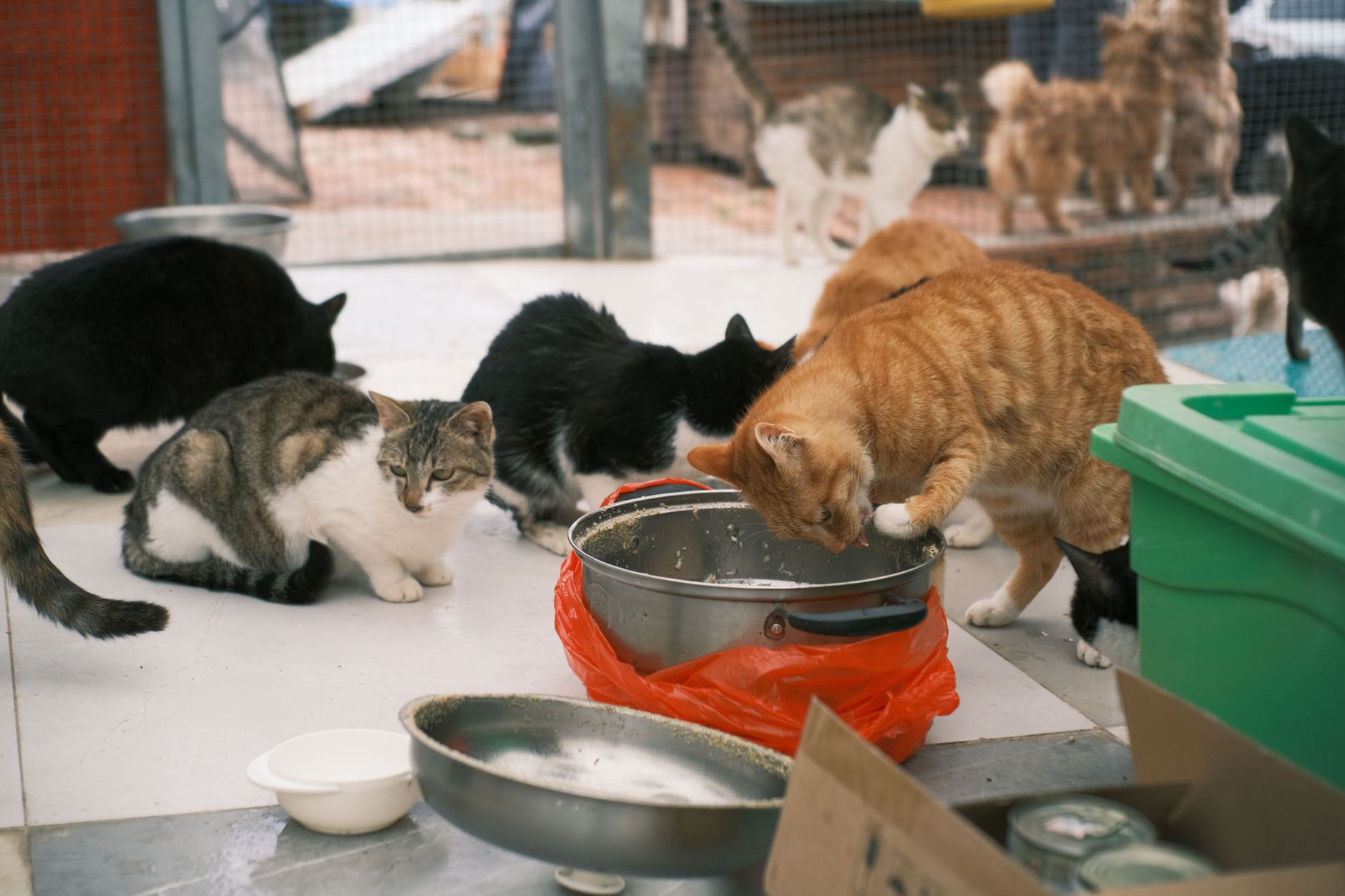
Will Feral Cats Use a Shelter? Understanding Shelter Usage in Feral Colonies
The answer is nuanced: Will feral cats use a shelter?, it depends. While many feral cats are wary of enclosed spaces, consistent and strategic placement of appropriate shelters can significantly increase their adoption and usage, especially during harsh weather conditions.

Understanding the Feral Cat Landscape
Feral cats, descendants of domesticated cats who have reverted to a wild state, face numerous challenges. Living outdoors exposes them to extreme temperatures, predators, diseases, and limited access to food and water. While Trap-Neuter-Return (TNR) programs are crucial for managing feral cat populations, providing shelter is an essential component of humane colony management. Understanding their inherent wariness and needs is key to encouraging shelter use.
What is the GREY African clawed frog?
Is distilled water good for goldfish?
What colours are fish most attracted to?
Can you put your finger in a trout's mouth?
Benefits of Providing Shelters for Feral Cats

Offering shelters to feral cat colonies provides numerous benefits, improving their overall health and well-being. These benefits include:
- Protection from the elements: Shelters provide a safe haven from rain, snow, wind, and extreme temperatures, reducing the risk of hypothermia and heatstroke.
- Reduced stress: A secure shelter can minimize stress levels, particularly during stressful events like storms or the presence of predators.
- Improved health: By reducing exposure to harsh conditions, shelters can help prevent illness and promote overall health.
- Increased survival rates: Particularly for kittens and elderly cats, shelters can significantly improve their chances of survival.
- Reduced intra-colony aggression: Providing multiple shelters allows cats to have their own space, minimizing competition and aggression.
Designing and Placing Effective Feral Cat Shelters
The success of a feral cat shelter program depends on the quality of the shelters and their strategic placement. Here are key considerations:
- Material: Durable, weather-resistant materials are crucial. Common options include:
- Plastic storage bins: Affordable and readily available, but require proper insulation and drainage.
- Wood: Provides good insulation but requires regular maintenance and waterproofing.
- Insulated dog houses: A more expensive option but offer excellent protection from the elements.
- Insulation: Insulating the shelter is essential, especially in colder climates. Straw (not hay) is a good choice, providing warmth and moisture absorption. Avoid using blankets or towels, as they can become damp and freeze.
- Size: Shelters should be large enough for a few cats to huddle together for warmth, but not so large that they lose body heat.
- Entrance: A small entrance (approximately 6-8 inches in diameter) helps retain heat and keeps out larger predators. Consider a second escape route in case of emergency.
- Placement:
- Sheltered locations: Place shelters in areas protected from wind and rain, such as under bushes, against buildings, or in sheds.
- Hidden from view: Cats prefer shelters that are discreet and out of sight, minimizing the risk of human interference.
- Away from predators: Avoid areas with high predator activity, such as near roads or open fields.
- Multiple shelters: Provide multiple shelters throughout the colony’s territory to accommodate all cats.
| Feature | Plastic Bin Shelter | Wooden Shelter |
|---|---|---|
| Cost | Low | Moderate |
| Durability | Moderate | High |
| Insulation | Requires added insulation (e.g., straw) | Naturally insulating, but insulation improves performance |
| Maintenance | Easy to clean | Requires regular waterproofing and maintenance |
| Weatherproof | Can be waterproofed with modifications | Requires proper sealing and treatment |
Common Mistakes to Avoid
Several common mistakes can deter feral cats from using shelters:
- Using blankets or towels for insulation: These materials can become damp and freeze, making the shelter colder and less comfortable.
- Placing shelters in exposed locations: Cats prefer shelters that are hidden and protected from the elements.
- Making the entrance too large: A large entrance allows cold air and predators to enter.
- Not providing enough shelters: Overcrowding can lead to stress and aggression.
- Disturbing the shelter frequently: Cats need time to acclimate to the shelter and may be scared off by frequent disturbances.
- Placing food inside the shelter: This can attract rodents and other pests. Instead, place food and water near the shelter but not inside.
Integrating Shelters with TNR Programs
Integrating shelter provision into TNR programs enhances the overall impact on feral cat populations. After trapping, neutering, and vaccinating cats, returning them to a location with available shelters ensures they have a safe and comfortable environment to recover and thrive. This holistic approach addresses both population control and welfare concerns. The success of TNR depends on the well-being of the cats post-release, and shelter provision plays a crucial role.
Will feral cats use a shelter? When TNR programs include education on shelter building and proper maintenance, the likelihood of adoption by the colony dramatically increases.
Long-Term Maintenance and Monitoring
Once shelters are in place, ongoing maintenance and monitoring are essential. Regularly check the shelters for damage, cleanliness, and the presence of pests. Replenish insulation as needed, and repair any damage promptly. Observe the colony’s behavior to determine which shelters are being used and adjust placements accordingly. This proactive approach ensures that the shelters continue to provide a safe and comfortable environment for feral cats.
Frequently Asked Questions (FAQs)
How long does it take for feral cats to start using a shelter?
It can take anywhere from a few days to several weeks for feral cats to start using a shelter. Patience is key. Avoid disturbing the shelter and allow the cats to acclimate at their own pace. Food placed nearby, but not in the shelter, can encourage exploration.
What is the best type of insulation for a feral cat shelter?
Straw is the best option for insulation. It provides warmth, absorbs moisture, and doesn’t compact easily. Avoid using hay, blankets, or towels, as they can become damp and freeze.
How often should I clean a feral cat shelter?
Cleaning frequency depends on the number of cats using the shelter and the surrounding environment. A general guideline is to clean the shelter 1-2 times per year, typically in the spring and fall. Remove any soiled bedding and replace it with fresh straw.
Can I use a cardboard box as a feral cat shelter?
Cardboard boxes are not recommended as long-term shelters, as they are not waterproof and can quickly deteriorate in wet weather. However, they can be used as a temporary shelter in emergencies.
Should I put food and water inside the shelter?
It’s best to avoid placing food and water inside the shelter, as this can attract rodents and other pests. Instead, place food and water near the shelter but not directly inside.
What if the cats are afraid of the shelter?
If the cats are initially afraid of the shelter, try placing it in a familiar location where they feel safe. You can also sprinkle catnip or place a familiar-smelling object inside to encourage them to investigate.
How many shelters should I provide for a feral cat colony?
Ideally, you should provide one shelter for every 2-3 cats in the colony. This ensures that all cats have access to a safe and comfortable space.
Can I use a dog house for feral cats?
Yes, insulated dog houses can be excellent feral cat shelters, especially in colder climates. Just make sure the entrance is small enough to retain heat and keep out larger predators.
What should I do if the shelter gets damaged?
Repair any damage to the shelter as soon as possible to maintain its effectiveness. Replace any damaged materials and ensure the shelter remains waterproof and well-insulated.
How can I keep predators out of the shelter?
A small entrance is the best defense against predators. You can also place the shelter in a sheltered location away from areas with high predator activity.
Is it okay to move a feral cat shelter?
Moving a feral cat shelter should be avoided unless absolutely necessary. If you must move it, do so gradually, shifting it a short distance each day until it reaches the desired location.
Will feral cats use a shelter if I’m providing food?
Yes, the presence of shelter in addition to a consistent food source can significantly increase the likelihood of adoption. The cats recognize that the area is a safe place to live and thrive, making them more likely to use the provided shelter.