

Will Elephants Eat Peanut Butter? An Exploration of Palates
Yes, elephants will generally eat peanut butter. However, the circumstances, the elephant’s individual preferences, and the context in which the peanut butter is offered are all significant factors in determining whether they’ll actually consume it.
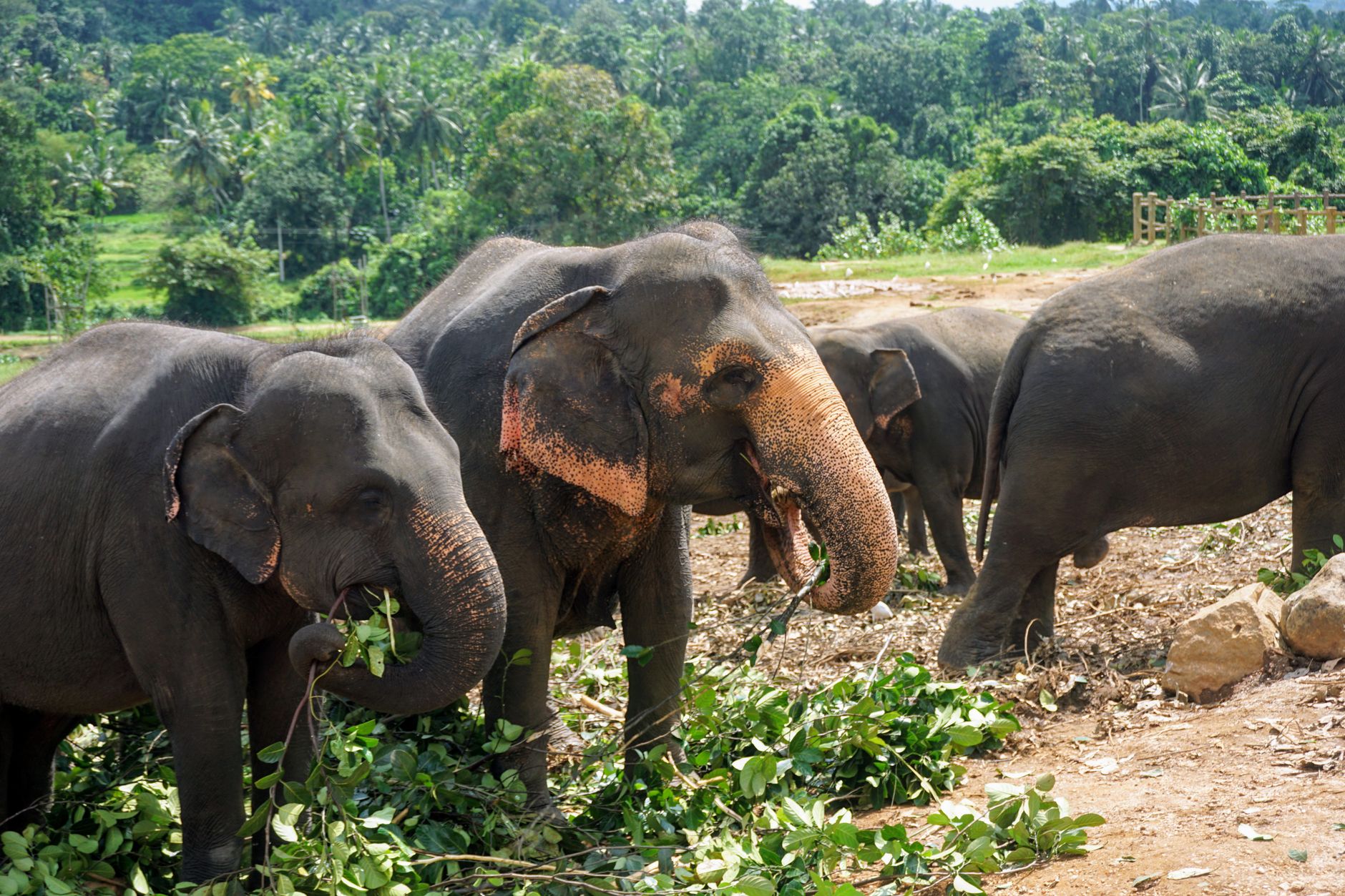
Introduction: An Elephantine Inquiry into Peanut Butter
The question of whether elephants, those magnificent behemoths of the animal kingdom, enjoy a dollop of peanut butter is more complex than it appears. It touches on the broader subject of elephant diets, enrichment practices in zoos, and even the potential risks of introducing new foods to these sensitive creatures. This article delves into the fascinating world of elephantine gastronomy, specifically addressing the burning question: Will elephants eat peanut butter? We’ll explore their natural diet, the allure of novel foods, and the ethical considerations involved in offering them such treats.

What is the GREY African clawed frog?
Is distilled water good for goldfish?
What colours are fish most attracted to?
Can you put your finger in a trout's mouth?
Understanding the Elephant Diet

Elephants are primarily herbivores, meaning their diet consists almost entirely of plants. In the wild, they consume a vast array of vegetation, including:
- Grasses
- Leaves
- Bark
- Roots
- Fruits
This diverse diet provides them with the necessary nutrients and fiber to sustain their massive bodies. The precise composition of their diet varies depending on their geographic location and the availability of resources. Their digestive systems are adapted for processing large quantities of fibrous plant matter.
The Appeal of Novel Foods
Like humans, elephants can exhibit curiosity and a preference for variety in their diets. In captivity, zoos and sanctuaries often introduce novel foods as a form of enrichment. This practice aims to:
- Stimulate their natural foraging behaviors.
- Provide mental and physical challenges.
- Enhance their overall well-being.
Peanut butter, with its unique texture and concentrated energy content, presents an interesting sensory experience for elephants. Its strong smell and taste can be particularly appealing. However, it’s crucial to introduce new foods responsibly and in moderation.
Peanut Butter as an Enrichment Tool
While elephants will eat peanut butter, its primary use in elephant care is as an enrichment tool rather than a staple food. Keepers may use peanut butter in several ways:
- Hiding it in puzzle feeders: This encourages elephants to use their trunks and problem-solving skills to access the treat.
- Smearing it on logs or branches: This mimics the act of stripping bark and provides a textured surface for them to explore.
- Mixing it with other healthy foods: This can encourage picky eaters to consume essential nutrients.
The goal is always to provide mental stimulation and encourage natural behaviors, not simply to feed them a treat.
Potential Risks and Considerations
Despite the potential benefits, offering elephants peanut butter requires careful consideration.
- Allergies: While rare, elephants can have allergies. Introducing new foods one at a time and monitoring for any adverse reactions is essential.
- Sugar Content: Many commercial peanut butter brands contain added sugar, which can be detrimental to elephant health in large quantities. Opting for natural, unsweetened varieties is crucial.
- Quantity: Peanut butter is very calorie-dense. Overfeeding can lead to weight gain and other health problems. It should only be offered in small amounts as part of a balanced diet.
- Choking Hazard: Care must be taken with how peanut butter is presented. Elephants could potentially choke if given large globs, especially if they are old, young or have pre-existing dental issues. Mixing it with other foods or spreading it thinly can mitigate this risk.
- Ethical Concerns: Some people may argue that feeding animals human food like peanut butter is unnatural and potentially harmful. It’s vital to prioritize the animal’s well-being and consult with veterinary professionals before introducing any new food item.
Will Elephants Eat Peanut Butter? The Final Verdict
Ultimately, will elephants eat peanut butter? The answer is likely yes, if offered in a safe and appropriate manner. However, the key is moderation, responsible introduction, and careful monitoring. Peanut butter should be viewed as an occasional enrichment tool, not a regular dietary component. Always consult with a veterinarian or experienced elephant keeper before introducing any new food to an elephant’s diet.
The Future of Elephant Nutrition and Enrichment
Research into elephant nutrition and enrichment is ongoing. As our understanding of these magnificent creatures deepens, so too will our ability to provide them with optimal care. Exploring novel food sources, developing innovative enrichment strategies, and prioritizing their overall well-being will remain at the forefront of elephant conservation efforts.
Will elephants eat peanut butter if it is the only food available?
While an elephant might eventually eat peanut butter if it were the only food option, this is highly unlikely to happen in a controlled setting. Elephants require a diverse and substantial diet of fibrous plant matter for their health, and depriving them of their staple foods would be unethical and detrimental.
Is peanut butter safe for all types of elephants (African and Asian)?
The general principles of safety apply to both African and Asian elephants. However, individual preferences and sensitivities can vary. Careful observation and consultation with experts are always recommended before offering peanut butter to any elephant.
How much peanut butter is too much for an elephant?
There is no precise “safe” amount that applies to all elephants, as it depends on the individual’s size, health, and activity level. A very small amount, such as a few tablespoons, used sparingly as an enrichment tool, is generally considered acceptable. Any larger quantity should be discussed with a veterinarian.
What type of peanut butter is best for elephants?
The best type of peanut butter for elephants is natural, unsweetened, and without added salt or oils. Look for brands that contain only peanuts and, potentially, a small amount of oil naturally occurring in the peanuts themselves.
How do zoos typically offer peanut butter to elephants?
Zoos often use peanut butter in enrichment activities. This could involve hiding it in puzzle feeders, smearing it on surfaces, or mixing it with other approved food items. The goal is to stimulate natural foraging behaviors and provide mental stimulation.
Do elephants have any natural aversion to peanuts or peanut butter?
Elephants do not have a natural aversion to peanuts or peanut butter, as they would not encounter these foods in their natural habitat. Their initial reaction is often curiosity, driven by the novel smell and taste.
What are the alternatives to peanut butter for elephant enrichment?
Many safe and healthy alternatives to peanut butter exist for elephant enrichment, including fruits, vegetables, browse (branches and leaves), puzzle feeders, and social interaction. These options can provide similar benefits without the potential risks associated with peanut butter.
How can I tell if an elephant likes peanut butter?
Signs that an elephant enjoys peanut butter include eagerly consuming it, using its trunk to explore it, and displaying overall excitement. Conversely, if the elephant ignores the peanut butter or exhibits signs of distress, it likely does not enjoy it.
Is it legal for the general public to feed elephants peanut butter?
Feeding elephants, especially in zoos or sanctuaries, is almost always prohibited without express permission. It’s crucial to respect the guidelines of these institutions and avoid feeding animals unauthorized foods.
Can elephants develop a peanut butter addiction?
While “addiction” might be a strong term, elephants can certainly develop a preference for certain foods, including peanut butter. This highlights the importance of moderation and ensuring a balanced diet.
What research has been done on elephant preferences for different foods?
While specific research on peanut butter preferences in elephants may be limited, numerous studies have explored elephant nutrition, foraging behavior, and food preferences in general. These studies help inform best practices for elephant care.
If an elephant has dental problems, will it still eat peanut butter?
If an elephant has significant dental problems, it may struggle to eat peanut butter, especially if it is sticky or difficult to manipulate. In such cases, offering softer, more easily digestible foods is crucial. It’s best to consult with a veterinarian to tailor the elephant’s diet to its specific needs.