
Will Crabs Eat Snails? A Comprehensive Guide
Yes, generally, crabs will eat snails. This is due to their opportunistic omnivorous nature and the nutritional value snails provide, though specific preferences can vary depending on the crab species and the availability of other food sources.

Introduction: The Crustacean-Gastropod Relationship
The relationship between crabs and snails is a complex one, often culminating in the latter becoming a meal for the former. Understanding this dynamic requires exploring the dietary habits of crabs, the vulnerabilities of snails, and the broader ecological context in which they interact. Will crabs eat snails? The answer, as you will discover, is nuanced but ultimately affirmative.

What is the GREY African clawed frog?
Is distilled water good for goldfish?
What colours are fish most attracted to?
Can you put your finger in a trout's mouth?
Why Snails Are a Crab’s Dinner

Crabs are not strictly carnivorous; they are opportunistic omnivores. This means they consume a wide variety of food sources, including algae, decaying matter, and, of course, other animals. Snails offer several advantages as a food source for crabs:
- Nutritional Value: Snails are a good source of protein and calcium. The calcium, in particular, is crucial for crab shell development and maintenance, especially during molting.
- Availability: In many environments, snails are a relatively abundant and readily accessible food source. They often inhabit the same coastal and intertidal zones as crabs.
- Accessibility: While snails have shells for protection, crabs possess powerful claws capable of crushing or prying them open.
How Crabs Consume Snails
The method a crab uses to eat a snail varies depending on the size and strength of the crab and the size and thickness of the snail’s shell. Common strategies include:
- Crushing: Large, powerful crabs like the stone crab can simply crush the entire shell with their strong claws.
- Prying: Smaller crabs may use their claws to chip away at the shell’s opening or pry the operculum (the “door” that seals the shell) open.
- Piercing: Some crabs have specialized claws for piercing the shell, allowing them to extract the snail’s soft body.
Crab Species and Snail Predation
Not all crab species prey on snails with equal enthusiasm. Some are more specialized predators, while others consume snails only occasionally. Here are a few examples:
| Crab Species | Snail Predation Habits |
|---|---|
| Stone Crab | Known for its powerful claws; easily crushes snail shells. |
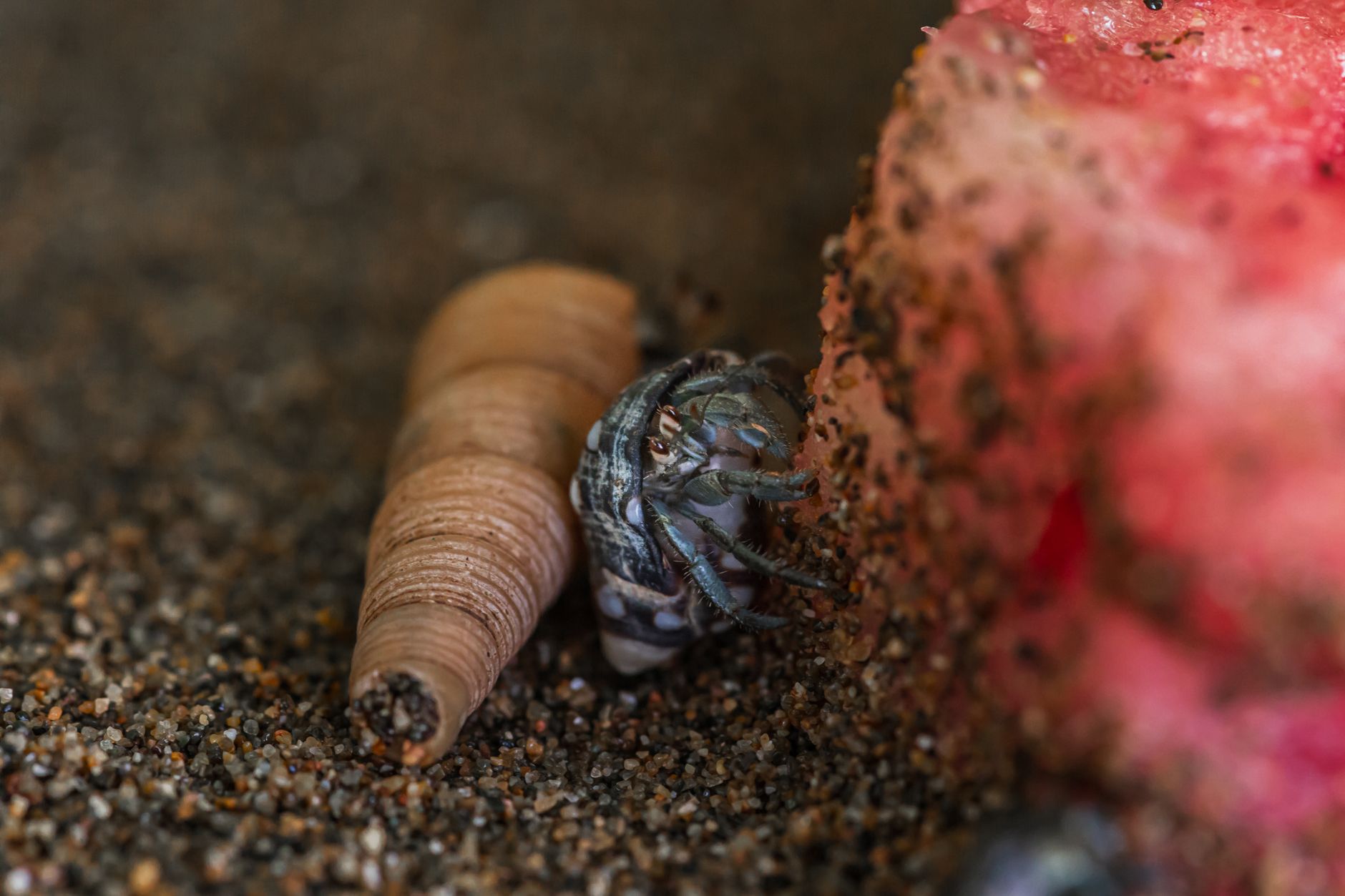
| Hermit Crab | Often scavenges dead snails but can also prey on smaller, weaker snails. |
| Blue Crab | Opportunistic feeder; will consume snails if available, but has a more varied diet. |
| Fiddler Crab | Primarily feeds on algae and detritus; less likely to actively hunt snails. |
Factors Influencing Predation Rates
Several factors can influence how often crabs prey on snails:
- Snail Abundance: If snails are plentiful, crabs are more likely to include them in their diet.
- Alternative Food Sources: The availability of other food, such as algae, other invertebrates, or decaying matter, can reduce the reliance on snails.
- Crab Size and Strength: Larger, more powerful crabs are better equipped to handle larger, more heavily armored snails.
- Snail Defenses: Snails with thicker shells or the ability to burrow quickly are less vulnerable to crab predation.
- Habitat Complexity: Environments with ample hiding places for snails (e.g., rocks, seaweed) can reduce predation rates.
Common Mistakes in Aquarium Keeping (If Applicable)
This section doesn’t apply specifically, as it is about crabs and snails in their natural environment, not aquariums.
Impact on Snail Populations
Crab predation can have a significant impact on snail populations, especially in areas where crab densities are high. This can influence the overall ecosystem structure and dynamics. In some cases, overfishing of crab predators can lead to an increase in snail populations, which can, in turn, impact other species that rely on algae or other resources that snails consume.
Frequently Asked Questions (FAQs)
Are all snails equally vulnerable to crab predation?
No, snail vulnerability varies significantly. Snails with thicker shells and a strong operculum are more difficult for crabs to crack open. Furthermore, snails that can burrow quickly or hide in crevices are less likely to be captured. Certain snail species are also more palatable to crabs than others, depending on their taste and texture.
Do crabs only eat snails when other food is scarce?
While food scarcity can certainly increase the likelihood of crab predation on snails, it’s not the only factor. Crabs may consume snails even when other food sources are available, simply because they offer a valuable source of nutrients, particularly calcium, which is essential for shell growth.
Can snails defend themselves against crabs?
Snails have several defense mechanisms. As mentioned, thick shells and a strong operculum are crucial. Some snails can also retract quickly into their shells or release chemical irritants to deter predators. However, against a determined crab with powerful claws, these defenses are often insufficient.
What role does habitat play in crab-snail interactions?
Habitat complexity significantly impacts crab-snail interactions. Environments with ample hiding places, such as rocks, seaweed, or dense vegetation, provide snails with refuge from predators. In contrast, open, exposed habitats make snails more vulnerable. The availability of suitable burrowing substrate can also protect certain snail species.
Are there any benefits to crab predation on snails?
Yes, crab predation can play a beneficial role in maintaining ecosystem balance. By controlling snail populations, crabs can prevent them from overgrazing algae and other resources. This helps to ensure a healthy and diverse intertidal environment.
How does crab predation affect snail evolution?
Crab predation can drive evolutionary changes in snails. Over time, snails that are better at defending themselves against crabs (e.g., those with thicker shells or faster escape reflexes) are more likely to survive and reproduce, passing on their traits to their offspring. This can lead to the evolution of more resistant snail populations.
Do crabs prefer certain types of snails over others?
Yes, crabs often exhibit preferences for certain types of snails based on factors such as shell size, thickness, and taste. Snails that are easier to crack open or offer a higher nutritional reward are likely to be favored.
Will crabs eat snails that are already dead?
Yes, crabs are opportunistic scavengers and will readily consume dead snails. This helps to recycle nutrients back into the ecosystem and prevents the build-up of decaying matter.
How can I protect snails from crab predation in my aquarium (if applicable)?
This section doesn’t apply specifically, as it is about crabs and snails in their natural environment, not aquariums.
What other animals prey on snails besides crabs?
Besides crabs, many other animals prey on snails, including birds, fish, sea stars, and even some insects. The specific predators vary depending on the snail species and the environment.
How does climate change affect crab-snail interactions?
Climate change can have complex effects on crab-snail interactions. Ocean acidification can weaken snail shells, making them more vulnerable to crab predation. Changes in temperature and salinity can also alter the distribution and abundance of both crabs and snails, potentially disrupting their ecological relationship.
If I see a crab eating a snail, should I intervene?
In a natural ecosystem, it’s generally best not to intervene. Crab predation is a natural part of the food web, and interfering can disrupt the balance of the ecosystem. In an aquarium setting, you might choose to intervene if you are concerned about the health and well-being of your snails, but consider whether the crab requires supplemental feeding first.