
Why You Should Think Twice Before Putting Mulch Next to Your House
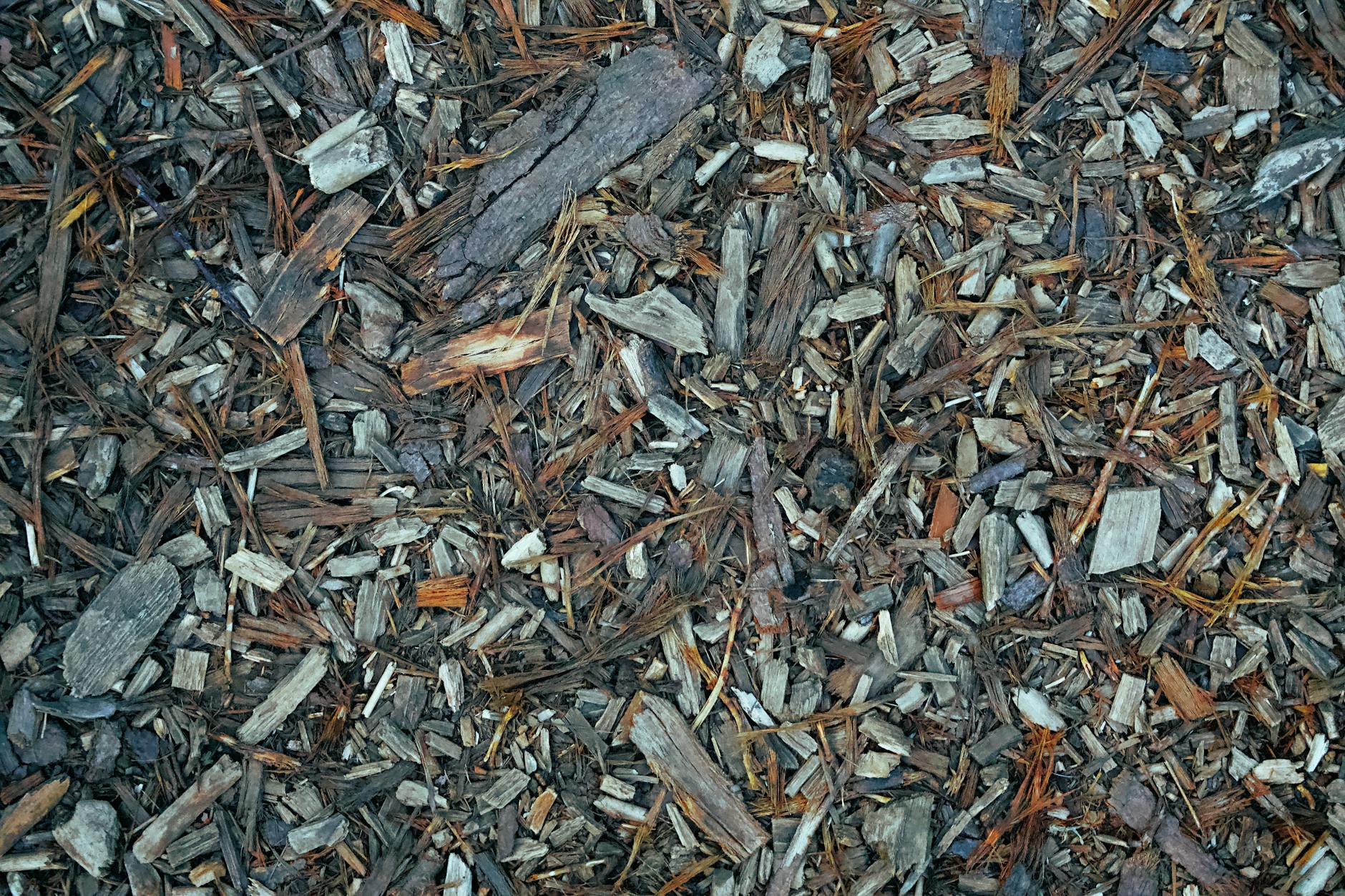
Putting mulch directly against your home’s foundation can lead to serious problems; in short, it’s not recommended. This practice creates an attractive environment for pests, promotes moisture buildup, and can even accelerate structural damage.
Introduction: The Allure and the Hazard of Foundation Mulch
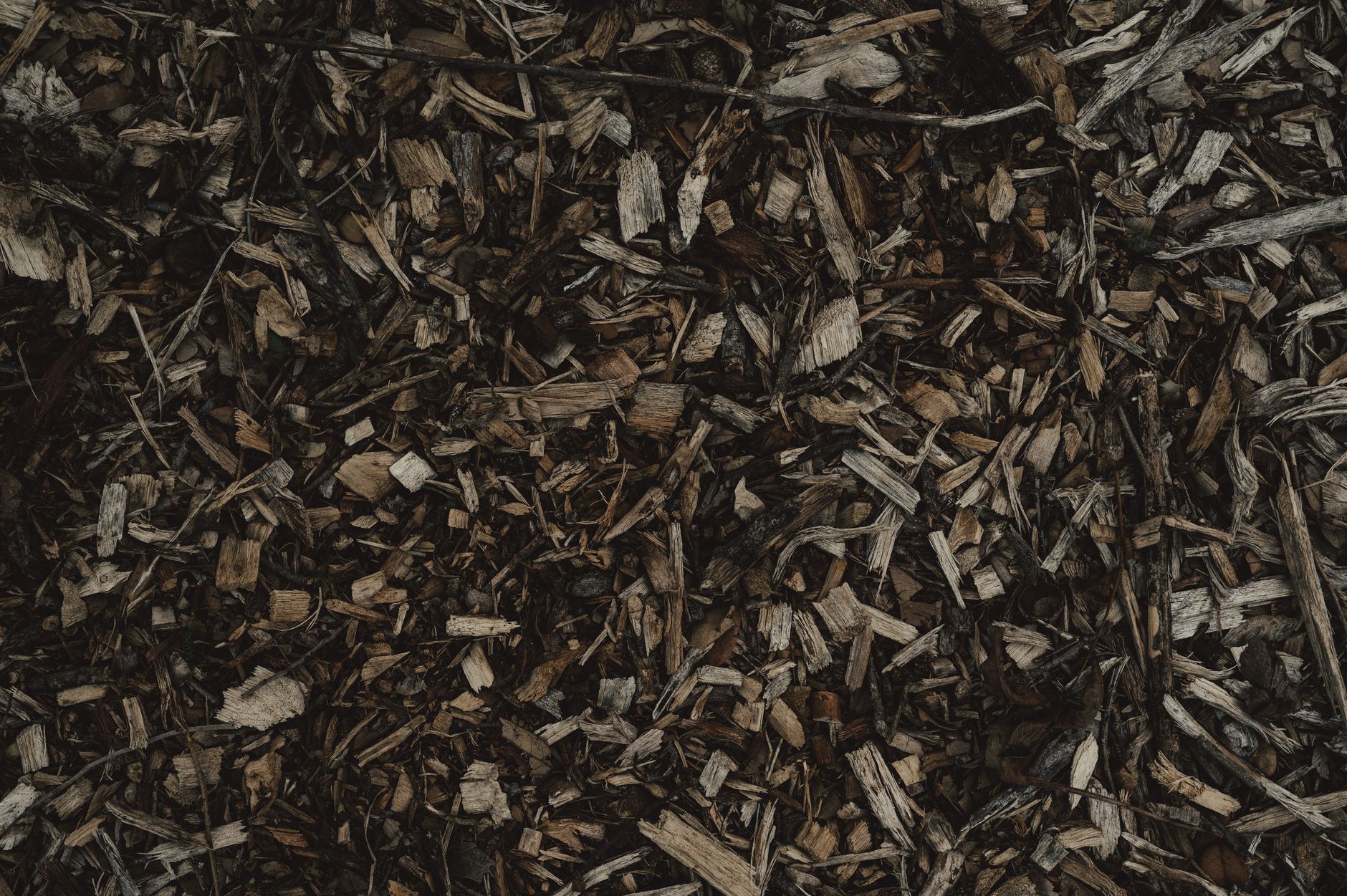
Mulch is often seen as a landscaping essential, offering aesthetic appeal and practical benefits like weed suppression and moisture retention. However, when placed directly against your home’s foundation, these advantages can quickly turn into significant liabilities. Many homeowners, unaware of the potential risks, unknowingly create conditions that invite pests, promote decay, and compromise the structural integrity of their homes. Understanding the pitfalls of foundation mulch is crucial for responsible landscaping.
What is the GREY African clawed frog?
Is distilled water good for goldfish?
What colours are fish most attracted to?
Is methylene blue anti bacterial?
The Dangers of Foundation Mulch: A Comprehensive Overview

The problems associated with piling mulch against your house stem from the creation of a consistently moist and sheltered environment. This environment is ideal for a variety of undesirable organisms and conditions.
- Pest Infestations: Mulch provides a haven for insects and rodents, making it easier for them to access your home.
- Moisture Retention and Rot: Constant moisture against the foundation encourages wood rot and fungal growth, especially in homes with wood siding.
- Hidden Damage: The mulch can conceal termite activity or other structural problems, delaying detection and increasing repair costs.
- Bridge for Pests: It allows bugs to more easily enter your house.
Understanding the Specific Risks: Pests and Rot
Two of the most significant concerns related to foundation mulch are pest infestations and wood rot.
-
Pests:
- Termites: Mulch provides a readily available food source and shelter for termites, allowing them to establish colonies close to your home’s structure. Termites cause billions of dollars in damage annually, and foundation mulch significantly increases the risk.
- Carpenter Ants: While they don’t eat wood like termites, carpenter ants nest in it. Moist, rotting wood near your foundation provides an ideal nesting site.
- Rodents: Mice, voles, and other rodents find shelter and nesting materials in mulch, potentially leading to infestations inside your home.
- Other Insects: Earwigs, slugs, snails, and other moisture-loving insects thrive in mulch, and can become a nuisance by entering your home.
-
Rot:
- Wood Rot: Persistent moisture against wood siding or foundation components promotes the growth of wood-decaying fungi. This can weaken the structure and lead to costly repairs.
- Foundation Damage: Moisture can also damage concrete foundations over time, leading to cracks and instability.
Best Practices: Alternatives to Foundation Mulch
So, why not put mulch next to house? What are better alternatives? Instead of directly applying mulch against your foundation, consider these alternatives:
- Gravel or Stone Border: Create a border of gravel or decorative stone around your foundation. This provides drainage and deters pests.
- Exposed Foundation: Leave a strip of exposed foundation (4-6 inches) visible. This allows for better airflow and allows you to easily inspect for pests or damage.
- Mulch-Free Zone: Establish a mulch-free zone of at least 12-18 inches around your foundation. This barrier reduces the risk of moisture and pest problems.
- Proper Grading: Ensure that the ground slopes away from your foundation. This helps to direct water away from your home.
Alternative Mulching Techniques
Even if you decide to avoid putting mulch directly against the foundation, you can still use it elsewhere in your landscaping effectively.
- Maintain a Gap: Be sure to keep any mulch away from the house.
- Strategic Placement: Mulch can be used effectively in garden beds further away from the foundation.
- Consider Alternatives: Consider rock mulch, pine straw or other non-organic options.
Table: Comparing Mulch Alternatives
| Feature | Mulch | Gravel/Stone | Exposed Foundation |
|---|---|---|---|
| Pest Attraction | High | Low | Low |
| Moisture Retention | High | Low | Low |
| Aesthetic Appeal | Natural, varied textures and colors | Modern, clean look | Minimal |
| Weed Suppression | Good (when applied thick) | Good | Fair |
| Cost | Moderate (depending on type) | Moderate to High | Low |
| Drainage | Can impede drainage if placed incorrectly | Excellent | Excellent |
Common Mistakes to Avoid
- Piling Mulch Too High: Overly thick mulch can retain excessive moisture.
- Using the Wrong Type of Mulch: Some mulches, like wood chips, are more attractive to pests.
- Ignoring Drainage: Poor drainage around the foundation exacerbates moisture problems.
- Neglecting Inspections: Regular inspections are crucial for detecting problems early.
Conclusion: Protecting Your Home with Informed Landscaping
While mulch offers numerous benefits in the garden, it’s crucial to understand the potential risks associated with placing it directly against your home’s foundation. By implementing proper landscaping practices and choosing the right materials, you can protect your home from pests, moisture damage, and costly repairs. Taking a proactive approach and considering the alternatives outlined above is essential for maintaining a healthy and structurally sound home. Remember, thoughtful landscaping prioritizes both aesthetics and the long-term well-being of your property.
Frequently Asked Questions (FAQs)
Why is moisture buildup next to my foundation bad?
Moisture buildup near your foundation can lead to a host of problems, including wood rot, mold growth, and foundation damage. It also attracts pests like termites and carpenter ants, which thrive in damp environments.
How far away from my house should I keep mulch?
It’s generally recommended to keep mulch at least 12-18 inches away from your foundation to allow for proper airflow and prevent moisture buildup.
Can I use inorganic mulch (like rubber mulch) next to my house?
While inorganic mulches don’t decompose, they can still trap moisture against your foundation. They also offer no nutritional benefits to the soil. It’s generally better to use gravel, stone, or create a mulch-free zone.
Is stone or gravel a better alternative to mulch next to the house?
Yes, stone or gravel are generally better alternatives to mulch near the foundation because they provide excellent drainage, deter pests, and don’t retain as much moisture.
What type of mulch is least attractive to termites?
While no mulch is entirely termite-proof, cypress heartwood mulch is often cited as being less attractive to termites than other types of wood mulch. However, even cypress mulch is not a guarantee against infestation.
Does the type of foundation material (concrete vs. wood) change the risk?
Yes, wood foundations are inherently more vulnerable to moisture damage and pest infestations than concrete foundations. However, both types of foundations can be negatively impacted by excessive moisture.
How can I improve drainage around my foundation?
Improving drainage involves ensuring the ground slopes away from your foundation, cleaning gutters and downspouts, and installing French drains or other drainage systems if needed. Proper grading is crucial.
What are the signs of termite infestation to look for?
Signs of termite infestation include mud tubes on foundation walls, damaged wood, hollow-sounding wood, and swarming termites. Regular inspections are essential for early detection.
Can I use a vapor barrier under the mulch to protect my foundation?
Using a vapor barrier directly against your foundation can actually trap moisture and exacerbate problems. It’s generally not recommended.
What are the advantages of having a visible foundation line?
Having a visible foundation line allows for easy inspection for pests, moisture, and structural damage. It also promotes better airflow and reduces the risk of rot.
If I already have mulch against my house, what should I do?
The best course of action is to remove the mulch immediately and create a mulch-free zone of at least 12-18 inches around your foundation. Then, inspect for any signs of pests or damage.
Are there specific plants that are better suited for planting near the foundation?
Choose plants that don’t require excessive watering and are known to resist pests and diseases. Avoid planting shrubs directly against the foundation, as they can trap moisture and obscure your view.