

Why is the Burmese Python a Problem?
The Burmese python is a significant ecological problem because as an invasive species in areas like Florida, it has drastically reduced native mammal populations, disrupting the delicate balance of the ecosystem and leading to widespread biodiversity loss.
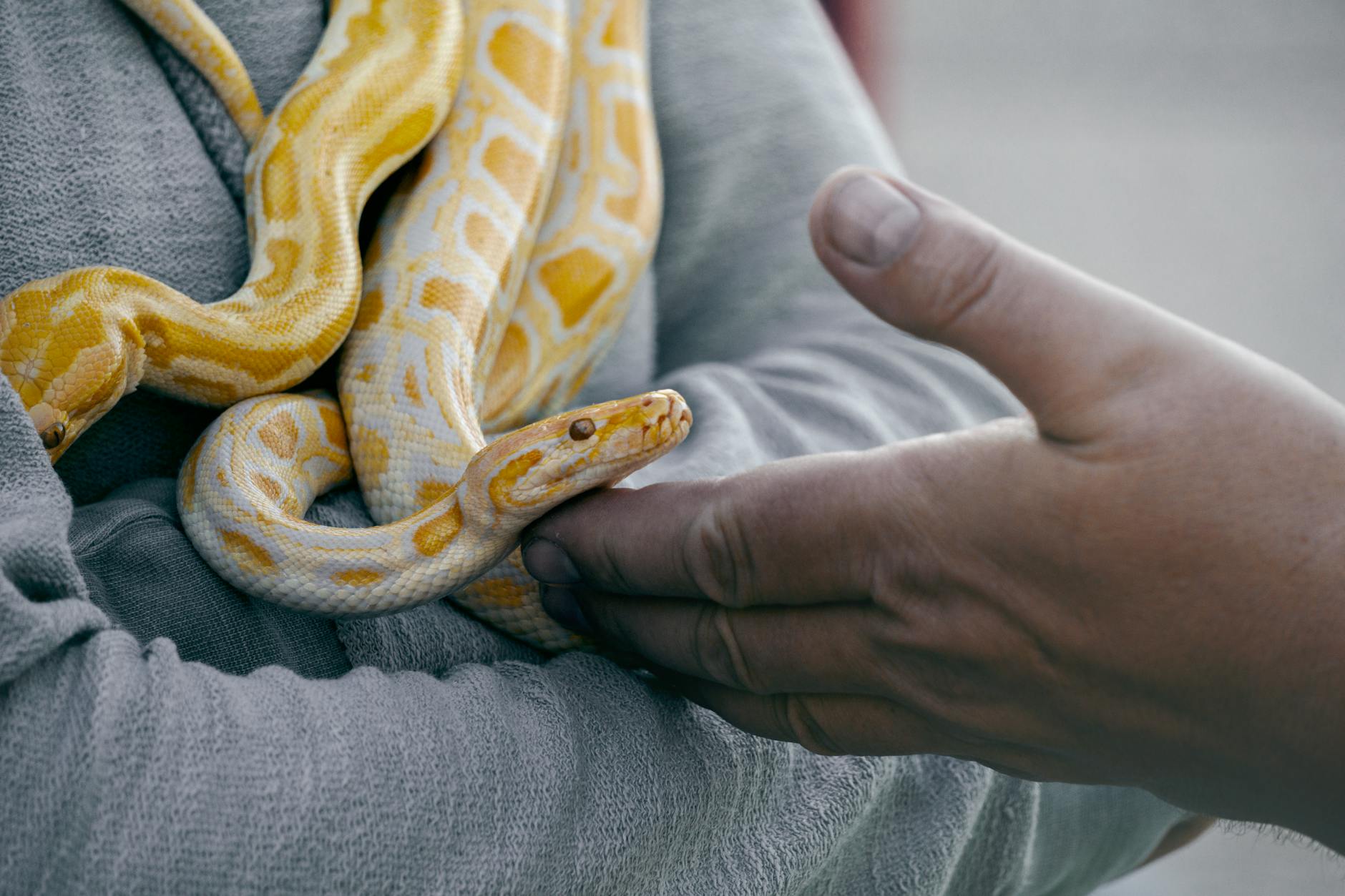
Introduction: A Constricting Crisis
The serene beauty of the Florida Everglades belies a silent but devastating ecological crisis unfolding beneath the sawgrass and cypress swamps. This crisis is not caused by pollution or habitat destruction in the traditional sense, but by a cunning and voracious predator: the Burmese python (Python bivittatus). This magnificent snake, native to Southeast Asia, has established a thriving, if unwelcome, population in South Florida, triggering a cascade of negative impacts on the native ecosystem. Understanding why is the Burmese python a problem requires a comprehensive look at its biology, behavior, and the ecological consequences of its invasion.
Is distilled water good for goldfish?
What colours are fish most attracted to?
Can you put your finger in a trout's mouth?
Is methylene blue anti bacterial?
The Burmese Python: Biology and Behavior

The Burmese python is one of the largest snake species in the world, capable of reaching lengths exceeding 20 feet and weighing over 200 pounds. Their size and strength, combined with their adaptability and cryptic camouflage, make them exceptionally effective predators.
- Appearance: Brown blotches edged with black down the back and sides on a tan ground color.
- Habitat: Adaptable to various habitats, including wetlands, forests, and grasslands. They thrive in the subtropical climate of South Florida.
- Diet: Opportunistic predators with a broad diet, including mammals, birds, and reptiles.
- Reproduction: Females can lay up to 100 eggs per clutch, contributing to their rapid population growth.
The Invasion Begins: Pathways and Establishment
The introduction of Burmese pythons into Florida is primarily attributed to the pet trade. Accidental or intentional releases of captive pythons have led to the establishment of a self-sustaining population. Several factors have contributed to their successful establishment:
- Ideal Climate: The warm, humid climate of South Florida closely resembles their native habitat.
- Abundant Prey: The diverse and abundant native wildlife provides a readily available food source.
- Lack of Natural Predators: Native predators in Florida are not adapted to prey on pythons of this size, resulting in minimal natural control.
Devastating Ecological Impacts
The most significant impact of Burmese pythons is their devastating effect on native wildlife populations. Studies have documented dramatic declines in mammal populations in areas where pythons are well-established.
- Mammal Declines: Research has shown significant decreases in populations of raccoons, opossums, bobcats, white-tailed deer, and rabbits in the Everglades National Park. Some studies show declines as high as 99% in certain mammal populations.
- Bird Predation: Pythons also prey on a variety of birds, including wading birds and ground-nesting birds, further disrupting the ecosystem.
- Competition: Pythons compete with native predators, such as alligators and panthers, for resources, potentially exacerbating existing conservation challenges.
- Ecosystem Disruption: The drastic reduction in prey species can have cascading effects throughout the food web, affecting plant communities and other ecological processes.
Economic and Societal Costs
Beyond the ecological impacts, the Burmese python invasion also poses economic and societal challenges.
- Management and Control Efforts: State and federal agencies invest significant resources in python research, monitoring, and control efforts, including python removal programs and public awareness campaigns.
- Tourism Impacts: Declining wildlife populations can potentially affect tourism, which relies on the unique biodiversity of the Everglades.
- Public Safety Concerns: While rare, large pythons pose a potential threat to public safety, particularly to pets and small livestock.
Mitigation and Control Strategies
Combating the Burmese python invasion requires a multifaceted approach that includes prevention, early detection, and targeted removal efforts.
- Prevention: Stricter regulations on the import and sale of exotic pets can help prevent future introductions of invasive species.
- Early Detection: Rapid response programs that focus on detecting and removing pythons in newly invaded areas are crucial.
- Python Removal Programs: Encouraging citizen participation in python removal programs through training and incentives can increase the effectiveness of control efforts.
- Research and Technology: Developing innovative technologies, such as improved detection methods and targeted control techniques, is essential for long-term management.
Long-Term Implications and Future Outlook
The Burmese python invasion represents a serious threat to the ecological integrity of South Florida. While complete eradication may not be feasible, sustained and integrated management efforts are necessary to mitigate their impacts and protect native wildlife populations. Understanding why is the Burmese python a problem requires continuous monitoring, research, and adaptive management strategies.
Here’s a table summarizing the key impacts of Burmese pythons:
| Impact Category | Description | Examples |
|---|---|---|
| Ecological | Drastic reduction of native mammal populations, disruption of food webs, competition with native predators. | Decline in raccoon, opossum, bobcat, deer, and rabbit populations; predation on wading birds; competition with alligators and panthers. |
| Economic | Costs associated with research, monitoring, control programs, and potential impacts on tourism. | Funding for python removal programs, development of detection technologies, potential decrease in tourism revenue. |
| Societal | Potential threat to public safety, particularly to pets and livestock. | Incidents of pythons preying on pets, concerns about human encounters with large pythons. |
Frequently Asked Questions
Why are Burmese pythons considered an invasive species?
Burmese pythons are considered an invasive species because they are not native to Florida and their introduction has caused significant harm to the environment, economy, and human health. They disrupt the natural ecosystem by preying on native wildlife and competing with native predators.
How did Burmese pythons get to Florida?
The most common theory is that Burmese pythons were introduced to Florida through the pet trade. Either they escaped from captivity during hurricanes, or pet owners deliberately released them into the wild.
What animals do Burmese pythons eat in Florida?
Burmese pythons are opportunistic predators with a broad diet. They eat a variety of animals, including mammals (raccoons, opossums, deer), birds (wading birds, ground-nesting birds), and reptiles (alligators, snakes).
Are Burmese pythons dangerous to humans?
While attacks on humans are rare, Burmese pythons are large and powerful snakes that can pose a threat, particularly to small children and pets. Extreme caution should always be exercised if one is encountered.
What is being done to control the Burmese python population in Florida?
Various control measures are in place, including python removal programs, research into new control methods (like traps), and public awareness campaigns to educate people about the risks of releasing exotic pets. Agencies like the Florida Fish and Wildlife Conservation Commission (FWC) are heavily involved.
Can you eradicate Burmese pythons from Florida?
Complete eradication is considered unlikely due to the python’s established population, cryptic behavior, and ability to reproduce rapidly. However, ongoing control efforts aim to reduce their numbers and minimize their impacts.
Why is the decline in mammal populations so significant?
The decline in mammal populations is significant because mammals play a crucial role in the ecosystem. They help control insect populations, disperse seeds, and serve as prey for other animals. Their loss can disrupt the entire food web.
What other invasive species are a problem in Florida?
Florida is prone to invasive species because of its subtropical climate. Other problematic invasive species include the lionfish, feral hogs, iguanas, and various exotic plants.
How can I help prevent the spread of invasive species?
You can help by never releasing exotic pets into the wild, supporting policies that regulate the import and sale of exotic animals, and reporting sightings of invasive species to the appropriate authorities.
Why don’t native predators control python populations?
Native predators, like alligators, are not adapted to consistently prey on pythons of that size. While some predation may occur, it is not enough to effectively control the python population. Also, smaller alligators themselves sometimes become prey for larger pythons.
Is climate change making the python problem worse?
Potentially, yes. Climate change could expand the suitable habitat for Burmese pythons in Florida and other regions, allowing them to spread to new areas and further exacerbate the problem.
What scientific research is being done on Burmese pythons?
Scientists are conducting research on various aspects of Burmese pythons, including their diet, movement patterns, reproductive behavior, and genetic makeup. This research helps to inform more effective control strategies and better understand the long-term impacts of the invasion.