
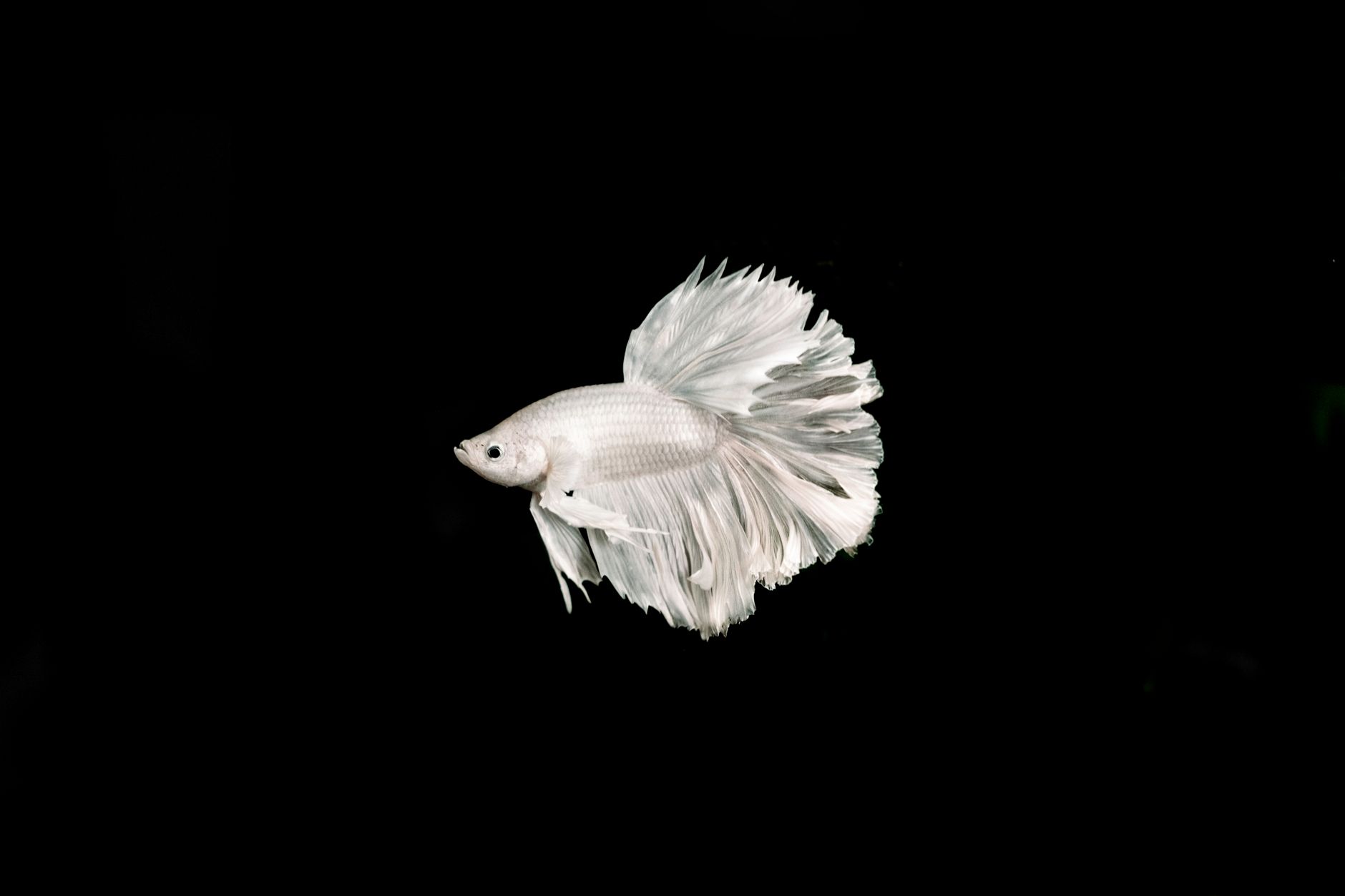
Why is My White Betta Fish Turning Red? Unraveling the Mystery
A white betta fish turning red can be a sign of several issues, most commonly genetics, diet, water quality problems, or disease. Understanding the cause is crucial for ensuring your fish’s health and well-being.
Introduction: A Palette Shift in the Aquarium
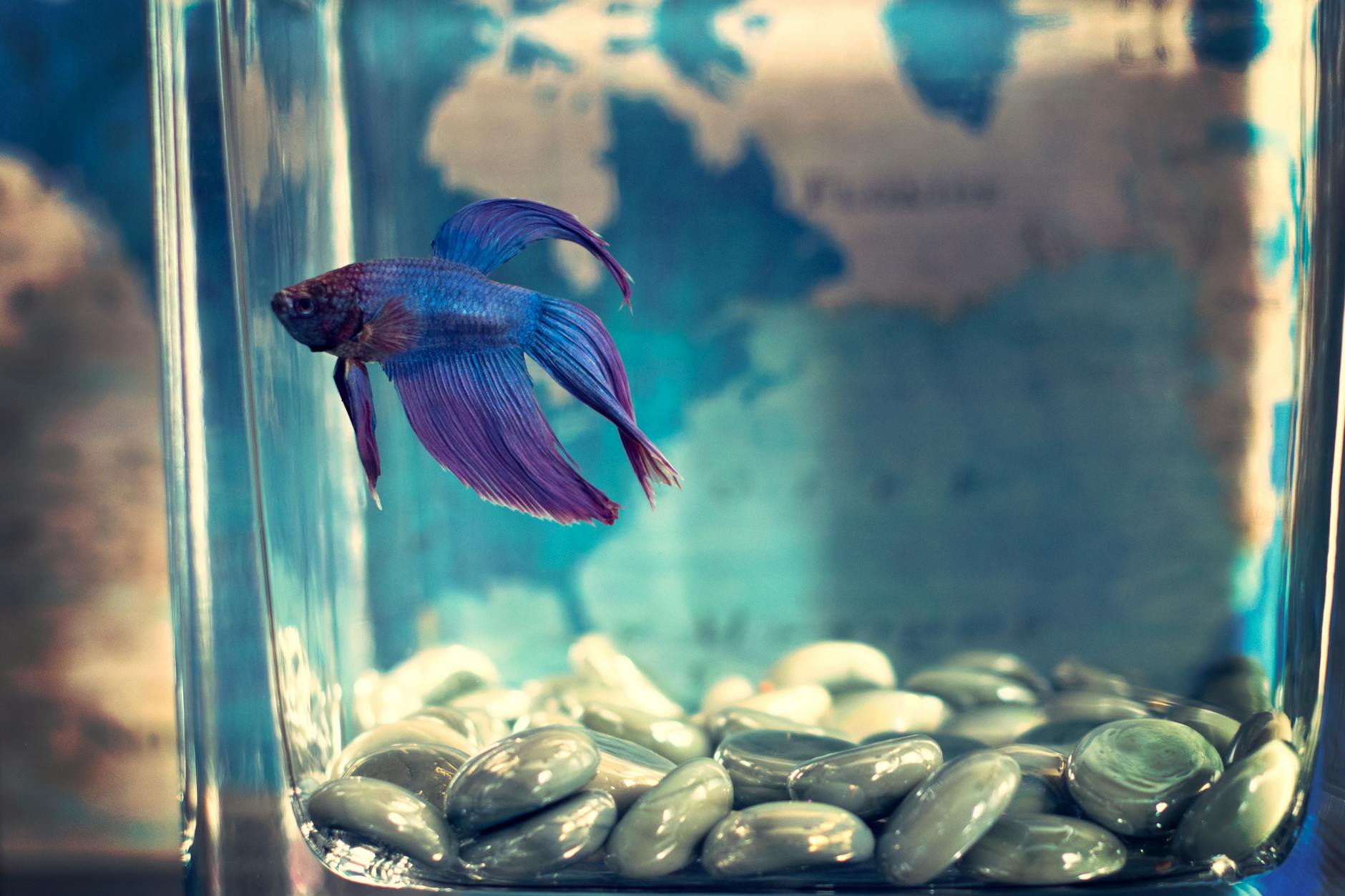
Betta splendens, more commonly known as betta fish or Siamese fighting fish, are renowned for their vibrant colors and flowing fins. While many bettas are bred for specific colors like red, blue, or yellow, some are bred for a pure white appearance. When a white betta begins to exhibit red coloration, it can be concerning for the owner. Why is my white betta fish turning red? This seemingly simple question unlocks a complex interplay of genetics, environment, and potential health problems that demands a thorough understanding.

What fish is Flo?
How intelligent are fish?
Are fish heads good for the garden?
Can fish hear water?
Genetics: The Foundation of Color

Bettas are bred for a wide range of colors and patterns, but the underlying genetics that control these traits can be complex.
- Marble Gene: This gene causes unpredictable color changes throughout a betta’s life. A betta that appears mostly white initially might develop red patches later on due to the activation of this gene.
- Hidden Pigments: Even in white bettas, the genes for red pigments might still be present but suppressed. Changes in environment or diet can sometimes trigger these genes, leading to the appearance of red coloration.
- Genetic Regression: Sometimes, bettas can revert to more common ancestral colorations over time. This is especially true of bettas with complex breeding histories.
Diet: The Building Blocks of Color
Diet plays a crucial role in the overall health and coloration of bettas. Certain foods can enhance or suppress specific colors.
- Carotenoids: These pigments, found in foods like bloodworms, brine shrimp, and certain commercial betta pellets, can intensify red coloration. Feeding a diet rich in carotenoids can cause a white betta to exhibit red coloration, even if the red pigments were previously suppressed.
- Dietary Deficiencies: Although less common, certain nutrient deficiencies can sometimes affect color expression in fish.
Water Quality: The Silent Culprit
Poor water quality is a common issue in home aquariums and can manifest in various ways, including changes in a betta’s coloration.
- Ammonia and Nitrite: Elevated levels of these toxins, resulting from inadequate filtration or infrequent water changes, can stress the fish and affect its immune system, potentially leading to changes in coloration as the fish tries to compensate.
- pH Imbalance: Extreme pH levels (too acidic or too alkaline) can also stress the fish and make it more susceptible to disease, which can sometimes be accompanied by color changes.
- Temperature Fluctuations: Rapid or extreme temperature swings can shock the fish and affect its coloration.
Disease and Stress: Internal and External Factors
Various diseases and stressful conditions can trigger changes in a betta’s coloration.
- Bacterial Infections: Some bacterial infections can cause redness on the fins or body, sometimes mimicking a change in overall color. Look for other symptoms like clamped fins, lethargy, or fuzzy patches.
- Ammonia Burns: High ammonia levels can cause burns, leading to red or bloody patches, especially on the fins and belly.
- Stress: General stress from bullying tankmates, inadequate tank size, or frequent disturbances can weaken the fish and impact its color.
Differential Diagnosis: Rule Out the Obvious
Before jumping to conclusions, consider the following:
- Recent Changes: Have you recently changed the betta’s diet, moved it to a new tank, or introduced new tankmates? Any of these factors could be contributing to the color change.
- Visual Inspection: Closely examine the fish for any other signs of illness, such as fin rot, bloating, or unusual behavior.
- Water Testing: Regularly test your aquarium water to ensure that ammonia, nitrite, and nitrate levels are within safe limits.
Prevention and Treatment: Maintaining a Healthy Environment
Preventing color changes in your betta fish requires maintaining a healthy environment and addressing potential issues promptly.
- Proper Filtration: Use a filter appropriate for the size of your aquarium.
- Regular Water Changes: Perform partial water changes (25-50%) at least once a week.
- Appropriate Diet: Feed a high-quality betta pellet food and supplement with occasional treats like bloodworms or brine shrimp, but avoid overfeeding.
- Stable Tank Parameters: Maintain a stable temperature (78-82°F) and pH level.
- Stress Reduction: Provide hiding places and avoid overcrowding the tank.
- Early Detection: Monitor your fish daily for any signs of illness or distress. If you suspect a problem, consult with a veterinarian experienced in aquatic animals.
Why is my white betta fish turning red? A Final Thought
The reddening of a white betta fish is often a complex issue with multiple potential causes. Careful observation, diligent water quality management, and a nutritious diet are essential for maintaining the health and vibrant coloration of your beloved pet. Understanding the underlying reasons why is my white betta fish turning red? allows you to provide the best possible care.
Frequently Asked Questions (FAQs)
What specific foods can cause a white betta fish to turn red?
Foods high in carotenoids, such as bloodworms, brine shrimp, and some commercial betta pellets, are the most likely culprits. These pigments enhance red coloration, so feeding them regularly to a white betta fish can lead to it turning red, especially if it has the genetic predisposition.
How often should I change the water in my betta’s tank?
It’s generally recommended to perform partial water changes (25-50%) at least once a week. This helps remove accumulated waste and maintain good water quality. More frequent water changes may be necessary for smaller tanks or if you notice high levels of ammonia or nitrite.
What are the ideal water parameters for a betta fish?
The ideal water parameters for a betta fish are a temperature of 78-82°F, a pH level between 6.5 and 7.5, and ammonia and nitrite levels at zero. Nitrate levels should be kept below 20 ppm.
Can stress cause a white betta fish to turn red?
Yes, stress can absolutely cause a white betta fish to turn red. Stress weakens the immune system and can affect the fish’s coloration. Common stressors include poor water quality, bullying tankmates, inadequate tank size, and frequent disturbances.
How can I reduce stress for my betta fish?
You can reduce stress for your betta fish by maintaining good water quality, providing a tank of at least 5 gallons, offering hiding places, avoiding overcrowding, and minimizing disturbances.
Is it possible for a white betta fish to have hidden red genes that are triggered later in life?
Yes, it is entirely possible. Many white betta fish carry hidden red genes. These genes can be triggered by various factors, including diet, environment, and age. The “marble” gene, in particular, is known for causing unpredictable color changes.
What diseases can cause a white betta fish to turn red?
Bacterial infections, ammonia burns, and fin rot can cause redness or bloody patches on a white betta fish. These are often accompanied by other symptoms such as lethargy, clamped fins, or fuzzy growths.
How can I tell if my betta fish has fin rot?
Fin rot is characterized by frayed or ragged fins, often with a black or brown edge. In severe cases, the fins may shorten or disappear altogether. Redness at the base of the fins is also a common symptom.
What should I do if I suspect my betta fish has a bacterial infection?
If you suspect a bacterial infection, immediately isolate the affected fish in a quarantine tank. Treat the fish with an appropriate antibiotic medication specifically designed for fish. Also, improve the water quality in both the main tank and the quarantine tank.
Is it okay to keep a white betta fish with other fish?
It depends on the other fish. Avoid keeping bettas with aggressive or fin-nipping species. Suitable tankmates for bettas include snails, shrimp (though bettas might eat them), and peaceful bottom-dwelling fish like Corydoras catfish (in a large enough tank). Always monitor the tank for any signs of aggression.
What is the marble gene and how does it affect betta fish coloration?
The marble gene causes unpredictable and often dramatic color changes in betta fish throughout their lives. A betta with the marble gene might start out white and gradually develop red patches or other colors. These changes can happen quickly or slowly and are often asymmetrical.
How do I choose the right betta food to prevent unwanted color changes?
Choose a high-quality betta pellet food that is specifically formulated for bettas and doesn’t contain excessive amounts of carotenoids if you want to minimize red coloration. Look for foods that list fish meal or other protein sources as the primary ingredients. Avoid overfeeding and supplement with live or frozen foods sparingly.