

Why is my Dog So Interested in My Snake? Understanding Canine Curiosity
Your dog’s fascination with your snake boils down to a complex interplay of instinct, curiosity, and environmental factors. They’re driven by the intriguing scent and movement of the snake, activating their predatory instincts and desire to explore something new. Why is my dog so interested in my snake? It’s a question of canine nature!
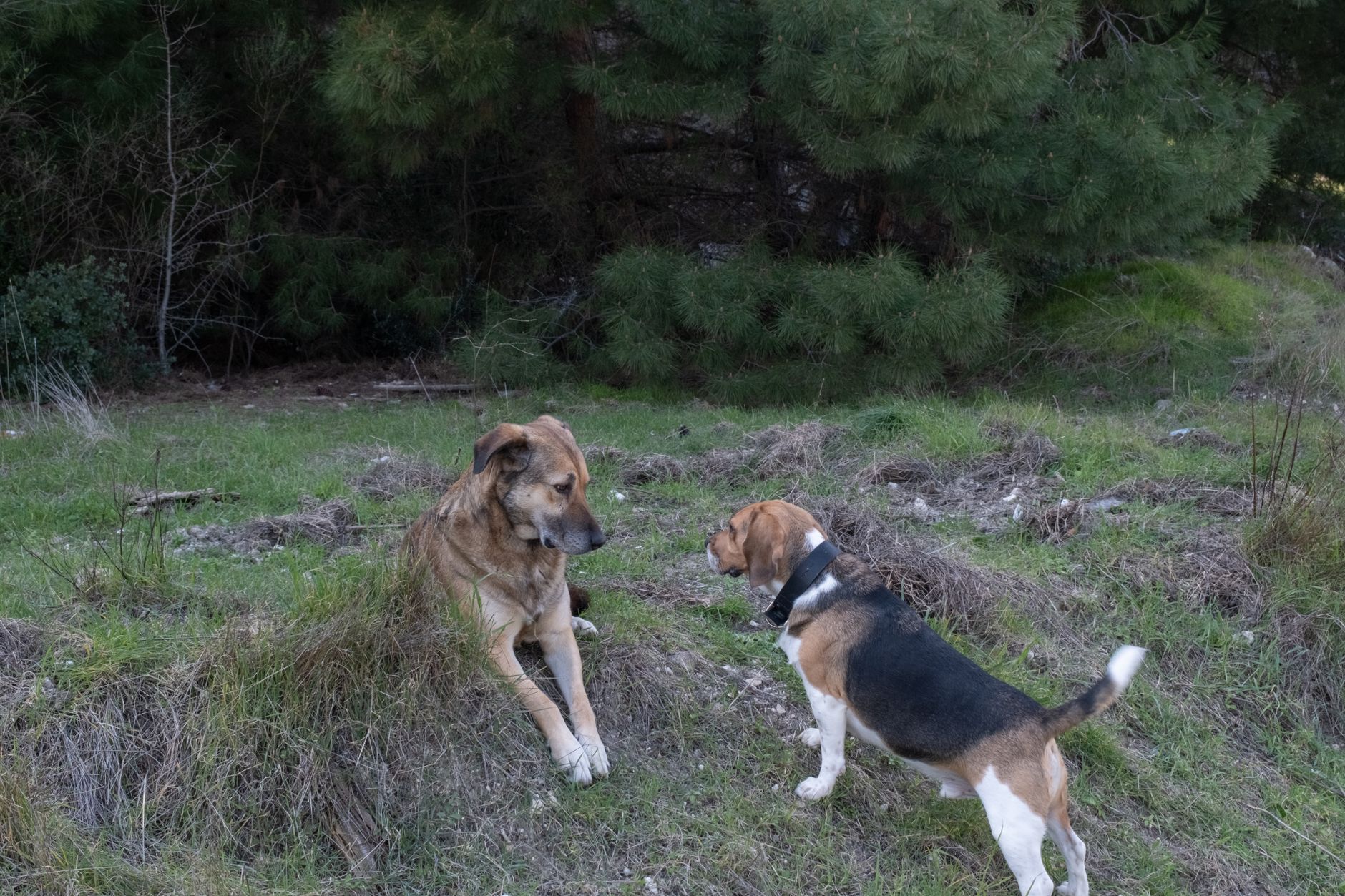
The Allure of the Serpent: Decoding Canine Behavior
Understanding why your dog is so intrigued by your snake requires a deeper dive into canine psychology and instinctive behaviors. It’s not necessarily about aggression or malicious intent, but rather a natural response to an unusual and stimulating creature in their environment. This interest, while seemingly simple, has roots in evolutionary survival mechanisms.

Is a dog bite stronger than a human bite?
Is snake shed skin poisonous?
Who wins a hyena or wild dog?
Scent, Sight, and Sound: The Sensory Cocktail

Dogs experience the world primarily through their noses, with scent being their dominant sense. A snake’s unique musk, combined with their unusual movements, creates a sensory cocktail that’s irresistible to many dogs. Even if the snake is housed securely, the lingering scent is enough to pique their interest.
- Scent: Snakes possess a distinctive odor that triggers a dog’s olfactory senses. This scent is unlike anything they encounter on a daily basis, making it highly stimulating.
- Sight: The slithering, unpredictable movements of a snake captivate a dog’s attention. Their visual field is optimized for detecting motion, making the snake a constant source of visual stimulation.
- Sound: While snakes are generally quiet, subtle rustling sounds or movements within their enclosure can further attract a dog’s attention.
Predatory Instincts: A Vestige of the Wild
While your dog may be a domesticated companion, predatory instincts still linger beneath the surface. The movement and scent of a snake can trigger these instincts, leading to heightened curiosity and a desire to investigate. The intensity of this instinct varies greatly depending on the breed and individual dog’s temperament. Certain breeds, historically bred for hunting vermin, may exhibit a stronger predatory drive toward small, moving creatures.
Curiosity and Exploration: The Desire to Understand
Beyond instinct, curiosity plays a significant role. Dogs are naturally curious creatures, driven by a desire to explore and understand their environment. A snake, as an unusual and unfamiliar entity, presents a novel stimulus that demands investigation. This curiosity can manifest as sniffing, pawing, or even barking at the snake’s enclosure.
Potential Dangers: Why Supervision is Crucial
While curiosity may be the initial driver, unchecked interest in a snake can lead to dangerous consequences for both animals. A dog’s pestering can stress the snake, leading to defensive behaviors like biting. Conversely, a curious dog could be bitten by the snake, resulting in injury or even envenomation, depending on the species of snake. Why is my dog so interested in my snake? Regardless of the reason, you must supervise!
Therefore, it is crucial to always supervise interactions between dogs and snakes and to ensure that the snake’s enclosure is completely secure and inaccessible to the dog. Prevention is key to ensuring the safety of both animals.
Management Strategies: Keeping Peace in the Household
Successfully managing the relationship between a dog and a snake requires a multi-faceted approach, focusing on training, environmental modification, and constant supervision. The goal is to minimize opportunities for interaction and to discourage unwanted behaviors.
- Secure Enclosure: Ensure the snake’s enclosure is absolutely escape-proof and inaccessible to the dog. This is the most crucial step.
- Training: Teach your dog commands like “leave it” and “stay.” Reinforce these commands consistently when the dog shows interest in the snake.
- Redirection: When the dog shows interest in the snake, redirect their attention with a toy, treat, or alternative activity.
- Supervision: Never leave the dog unsupervised around the snake’s enclosure.
- Create Distance: Position the snake’s enclosure in a room or area that is less frequented by the dog.
Understanding Breed Predispositions: Not All Dogs Are Created Equal
Certain dog breeds, particularly those with strong hunting or terrier instincts, are more likely to exhibit a heightened interest in snakes. Understanding your dog’s breed predispositions can help you anticipate and manage their behavior more effectively.
| Breed Group | Examples | Likely Predisposition | Management Considerations |
|---|---|---|---|
| Terriers | Jack Russell, Rat Terrier | High Predatory Drive | Extra vigilance, rigorous training, secure enclosure |
| Hunting Breeds | Labrador Retriever, Pointer | Moderate Predatory Drive | Consistent training, redirection strategies |
| Herding Breeds | Border Collie, Australian Shepherd | Curiosity, Herding Instinct | Mental stimulation, controlled exposure |
The Importance of Professional Guidance
If you are struggling to manage your dog’s interest in your snake, consult with a certified professional dog trainer or veterinary behaviorist. They can provide tailored advice and strategies based on your dog’s individual temperament and behavior. A professional can help you develop a safe and effective management plan that protects both your dog and your snake.
Addressing Underlying Anxiety: Ruling Out Other Causes
Sometimes, a dog’s persistent interest in a snake can be a symptom of underlying anxiety or boredom. Ensuring your dog receives adequate exercise, mental stimulation, and attention can help alleviate these issues and reduce their focus on the snake. Consider puzzle toys, interactive games, and regular walks to keep your dog engaged and content.
The Rewards of Peaceful Coexistence: A Balanced Household
With careful management, consistent training, and a thorough understanding of canine behavior, it is possible to create a peaceful and safe environment where both your dog and your snake can thrive. This requires a commitment to meeting the needs of both animals and ensuring their well-being. Why is my dog so interested in my snake? Understanding the reason is the first step to a peaceful coexistence!
Frequently Asked Questions (FAQs)
Will my dog eventually get used to the snake and lose interest?
While some dogs may slightly habituate to the presence of a snake over time, it’s unwise to rely on this. Their instincts and curiosity are likely to persist, so consistent management and supervision are still essential.
Is my dog trying to hurt the snake?
Not necessarily. While predatory instincts can lead to aggressive behavior, often the initial interest is driven by curiosity and exploration. However, regardless of the intent, their interactions need to be controlled for the safety of both animals.
How can I make my snake’s enclosure more secure?
Ensure the enclosure has a secure latching mechanism and is made of durable material that the dog cannot easily damage. Consider placing the enclosure on a raised platform or in a room inaccessible to the dog.
What are the signs of stress in a snake?
Signs of stress in snakes include refusal to eat, hiding more than usual, and defensive behaviors like hissing or striking. If you notice these signs, reduce the dog’s exposure to the snake immediately.
Can I use a deterrent to keep my dog away from the snake?
Yes, but use deterrents carefully and humanely. A citronella spray or motion-activated noise device might discourage the dog, but ensure it doesn’t cause undue stress to either animal. Never use physical punishment.
What should I do if my dog bites the snake?
Immediately separate the animals and seek veterinary care for both the dog and the snake. Snake bites can be dangerous, and your dog may require treatment for envenomation or injuries.
Can I train my dog to ignore the snake completely?
While you might not be able to eliminate their interest entirely, you can train your dog to obey commands like “leave it” and “stay” when they are near the snake’s enclosure. Consistency is key to success.
Is it better to keep the snake and dog in separate rooms?
Yes, if possible, keeping the snake and dog in separate rooms is the safest option. This minimizes the opportunity for interaction and reduces the risk of accidents.
How much attention should I be giving my dog if I have a snake?
Give your dog plenty of attention, exercise, and mental stimulation. A tired and content dog is less likely to be preoccupied with the snake.
What breeds are most likely to be interested in snakes?
Breeds with high prey drives, such as terriers (Jack Russell, Fox Terrier) and some hunting breeds (retrievers, pointers), are more likely to show a strong interest in snakes.
Should I consult a professional dog trainer?
Yes, if you are having difficulty managing your dog’s behavior or are concerned about the safety of either animal, consulting a certified professional dog trainer or veterinary behaviorist is highly recommended.
What kind of enrichment activities can keep my dog’s mind occupied?
Puzzle toys, interactive feeders, training sessions, and regular walks are all excellent enrichment activities that can keep your dog mentally stimulated and reduce their focus on the snake.