

Why Is My Betta Fish Rubbing Against The Glass? Unraveling the Mystery
Why is your betta fish rubbing against the glass? It’s often a sign of stress, parasites, or poor water quality, and understanding the cause is critical for your fish’s health.
Understanding Betta Glass Rubbing: An Introduction
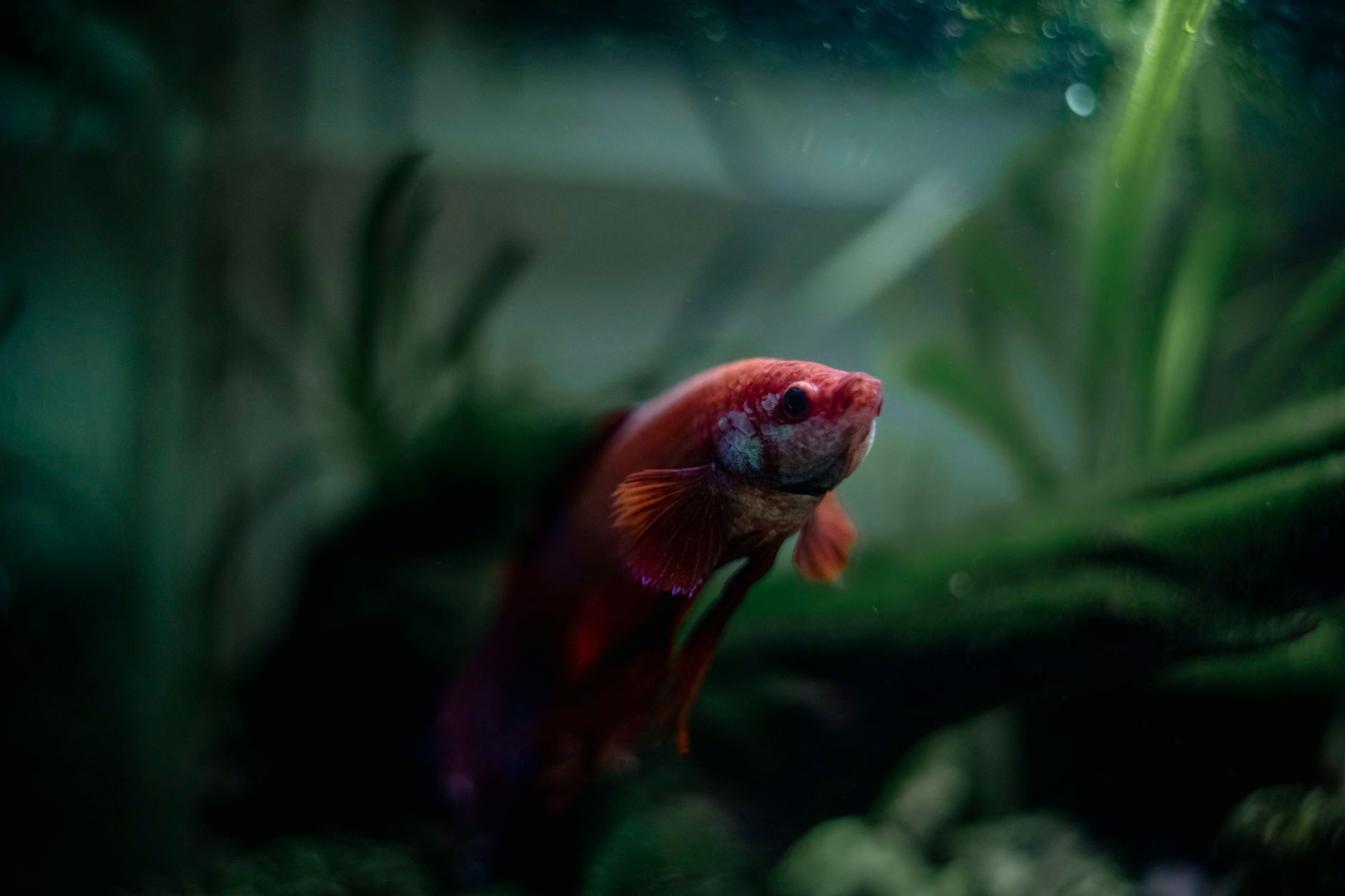
Betta fish, also known as Siamese fighting fish, are renowned for their vibrant colors and flowing fins. As a betta enthusiast and aquatic health specialist with over 15 years of experience, I’ve frequently encountered concerned owners asking: “Why is my betta fish rubbing against the glass?” This behavior, often referred to as “flashing,” isn’t typically normal and indicates an underlying issue requiring immediate attention.

How intelligent are fish?
Are fish heads good for the garden?
Can fish hear water?
What is cotton rot in fish?
Common Causes of Glass Rubbing
Several factors can trigger glass rubbing in betta fish. Identifying the root cause is the first step in resolving the problem.
- Water Quality Issues: Poor water parameters are a primary suspect.
- Parasitic Infestations: External parasites can irritate the fish’s skin.
- Stress: Environmental stress can lead to unusual behaviors.
- Injury: Physical injuries may also lead to rubbing.
Delving Deeper: The Impact of Water Quality
Betta fish, while hardy, are still susceptible to the effects of ammonia, nitrite, and nitrate buildup. These toxins are a natural byproduct of fish waste and decaying organic matter.
- Ammonia: Highly toxic, even in small amounts.
- Nitrite: Less toxic than ammonia, but still harmful.
- Nitrate: Less toxic than ammonia and nitrite, but can be harmful at high levels.
Regular water changes and a properly cycled filter are crucial for maintaining optimal water quality. A cycled filter contains beneficial bacteria that convert ammonia into nitrite, and then nitrite into the less harmful nitrate.
Identifying Parasitic Infestations
External parasites are a common problem in aquarium fish. Several types of parasites can affect betta fish, including:
- Ich (White Spot Disease): Characterized by small, white spots on the fish’s body and fins.
- Velvet (Oodinium): Causes a gold or rust-colored dust-like appearance on the fish.
- Skin Flukes: Microscopic parasites that attach to the fish’s skin and gills.
These parasites irritate the fish’s skin, leading to rubbing and flashing against the glass or other objects in the tank.
The Role of Stress in Betta Behavior
Stress can significantly impact a betta fish’s behavior and health. Factors that can contribute to stress include:
- Small Tank Size: Betta fish need adequate space to swim and explore. A tank of at least 5 gallons is recommended.
- Lack of Hiding Places: Provide plants, caves, or other decorations for the fish to feel secure.
- Aggressive Tank Mates: Betta fish are territorial and should not be kept with aggressive or fin-nipping fish.
- Sudden Changes in Water Parameters: Large water changes or fluctuations in temperature can stress the fish.
Ruling Out Injury or Disease
Sometimes, glass rubbing is a sign of injury or disease. Inspect your betta fish carefully for any signs of:
- Open wounds or sores
- Fin rot (ragged or decaying fins)
- Bloating or swelling
- Abnormal swimming behavior
If you notice any of these symptoms, consult with a veterinarian specializing in aquatic animals for diagnosis and treatment.
Steps to Take When You See Glass Rubbing
If you observe your betta fish rubbing against the glass, follow these steps:
- Test the Water: Use a reliable test kit to check the ammonia, nitrite, and nitrate levels.
- Perform a Water Change: If the water parameters are not within the acceptable range (ammonia and nitrite at 0 ppm, nitrate below 20 ppm), perform a 25-50% water change.
- Observe the Fish Closely: Look for any other signs of illness or parasites.
- Consider Treatment: If you suspect parasites or a bacterial infection, consult with a veterinarian or experienced aquarist for appropriate treatment options.
- Evaluate the Tank Environment: Ensure the tank is adequately sized, has plenty of hiding places, and is free of stressors.
Prevention is Key
Preventing glass rubbing is always better than treating it. Follow these guidelines to maintain a healthy environment for your betta fish:
- Regular Water Changes: Perform 25-50% water changes weekly.
- Proper Filtration: Use a filter designed for your tank size.
- Maintain a Stable Temperature: Keep the water temperature between 78-82°F (25-28°C).
- Provide a Balanced Diet: Feed your betta fish a high-quality betta pellet food.
Summary Table of Potential Causes and Solutions
| Cause | Symptoms | Solution |
|---|---|---|
| Poor Water Quality | Glass rubbing, lethargy, loss of appetite | Water change, improve filtration, reduce waste, test water frequently |
| Parasitic Infection | White spots, gold dust, glass rubbing, flashing | Medication (Ich-X, copper sulfate, etc.), quarantine affected fish |
| Stress | Glass rubbing, hiding, loss of appetite | Increase tank size, provide hiding places, reduce noise and disturbances |
| Injury or Disease | Open wounds, fin rot, abnormal swimming | Consult a veterinarian, quarantine and treat the specific disease |
Frequently Asked Questions (FAQs)
How often should I change the water in my betta fish tank?
You should aim for a 25-50% water change weekly, depending on the size of your tank and the bioload. Testing your water parameters is the best way to determine if more frequent water changes are needed.
What are the ideal water parameters for a betta fish?
The ideal water parameters for a betta fish are: ammonia and nitrite at 0 ppm, nitrate below 20 ppm, pH between 6.5-7.5, and a temperature between 78-82°F (25-28°C).
Can betta fish get ich (white spot disease)?
Yes, betta fish are susceptible to ich. Ich is a common parasitic infection characterized by small, white spots on the fish’s body and fins. Treatment typically involves raising the water temperature slightly and using an appropriate medication like Ich-X. Early detection is crucial for successful treatment.
Is glass rubbing always a sign of illness?
Not always, but it’s usually a sign that something is amiss. While it can be due to simple irritation or a minor environmental change, it’s best to treat it as a potential warning sign and investigate the cause.
What size tank is best for a betta fish?
A minimum of 5 gallons is recommended for a single betta fish. Larger tanks provide more space for swimming and exploration, which leads to a happier and healthier fish. Avoid bowls or extremely small tanks.
What type of filter should I use for my betta fish tank?
A sponge filter or a gentle hang-on-back (HOB) filter is recommended. Avoid filters that create strong currents, as betta fish are not strong swimmers and can be stressed by excessive water flow. Sponge filters are often ideal.
How do I know if my betta fish is stressed?
Signs of stress in betta fish include: loss of appetite, hiding, clamped fins, faded colors, erratic swimming, and, of course, excessive glass rubbing.
Can I keep betta fish with other fish?
Betta fish can be kept with other peaceful fish in a community tank, but careful consideration must be given to tank mates. Avoid aggressive or fin-nipping fish. Snails and shrimp can sometimes be good tank mates, but bettas may see them as food.
What should I feed my betta fish?
Feed your betta fish a high-quality betta pellet food formulated specifically for their nutritional needs. Supplement their diet with occasional treats like frozen bloodworms or brine shrimp. Avoid overfeeding, as this can lead to water quality problems.
How often should I feed my betta fish?
Feed your betta fish once or twice a day, offering only as much food as they can consume in 2-3 minutes.
What if I’ve tried everything and my betta is still rubbing against the glass?
If you’ve ruled out water quality issues, parasites, and stress, and your betta fish is still rubbing against the glass, consult with a veterinarian specializing in aquatic animals. There may be an underlying medical condition requiring professional diagnosis and treatment. Don’t hesitate to seek expert advice.
Why is my betta fish rubbing against the glass even after a water change?
Even after a water change, residual irritants, rapid shifts in water parameters or continued exposure to stress can cause your betta fish to keep rubbing against the glass. It’s important to monitor your fish’s behavior and consider other potential issues like parasites, ensuring that any new water is treated appropriately to eliminate chlorine/chloramine, and evaluating any tank decorations for sharp edges.