
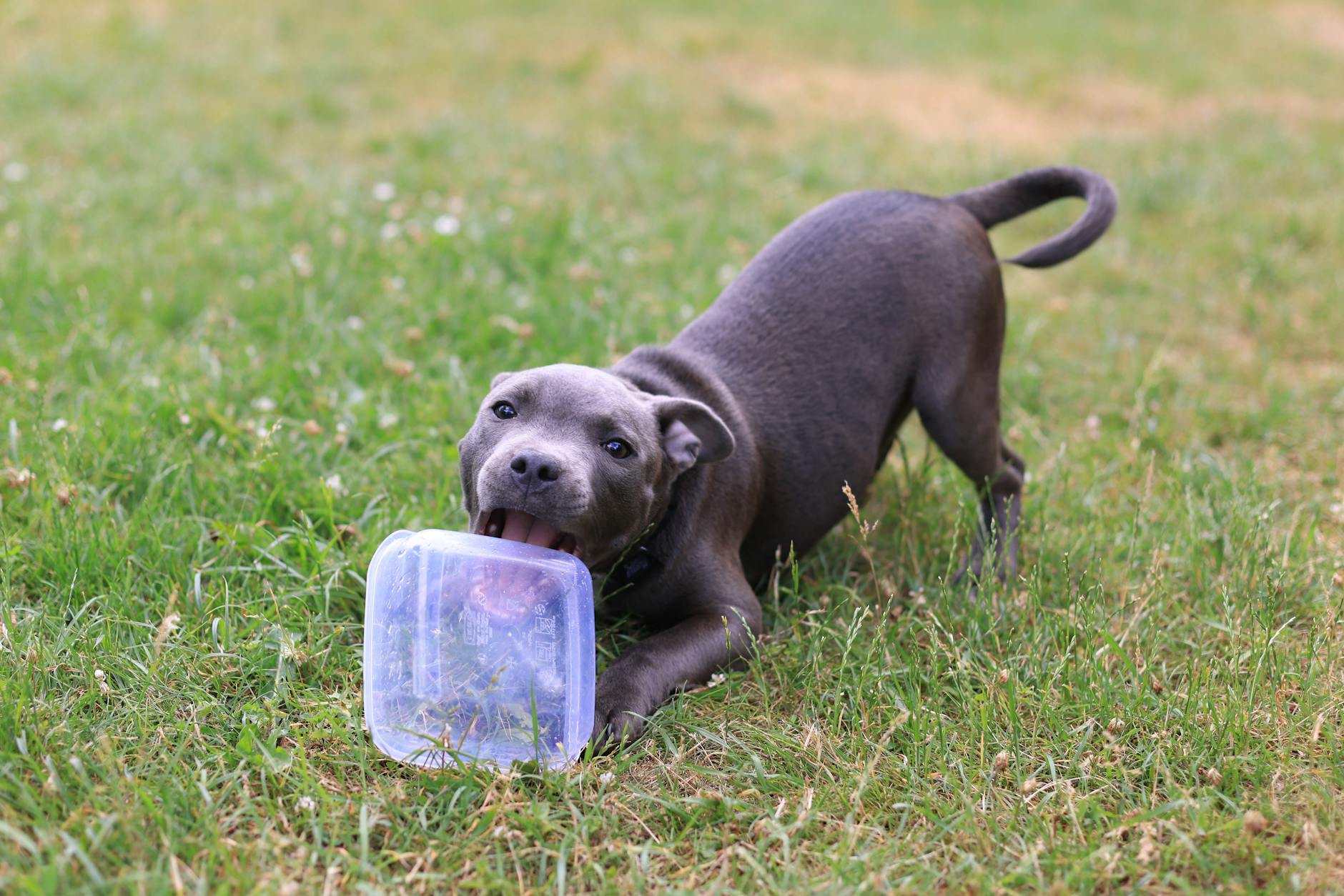
Why Does My Puppy Growl and Bite When I Pick Her Up? Exploring the Reasons
Your puppy’s growling and biting when you pick her up is often a sign of discomfort, fear, or possessiveness; understanding the root cause is crucial for addressing the behavior and building a trusting relationship.

Understanding Puppy Aggression During Handling
Why does my puppy growl and bite when I pick her up? It’s a question many new puppy owners face, and the answer is rarely about inherent meanness. More often, it stems from a combination of factors that contribute to the puppy feeling threatened or uncomfortable when being lifted. Decoding this behavior requires patience, observation, and a willingness to address the underlying issues. This isn’t about labeling your puppy as “aggressive” but understanding their communication.

Is distilled water good for goldfish?
What colours are fish most attracted to?
Can you put your finger in a trout's mouth?
Is methylene blue anti bacterial?
Common Reasons for Growling and Biting

There are several reasons why does my puppy growl and bite when I pick her up? It’s important to explore them all before jumping to any conclusions.
- Pain or Discomfort: This is often the first thing to rule out. A puppy with an injury, even a minor one, will naturally be more sensitive to being touched.
- Fear or Anxiety: If your puppy has had negative experiences associated with being picked up (e.g., being dropped, startled, or restrained afterward), they may develop a fear response.
- Possessiveness: Some puppies are naturally more possessive of their space, and being picked up can feel like an intrusion into their personal bubble.
- Lack of Socialization: Insufficient handling and positive interactions during the critical socialization period (up to 16 weeks) can lead to anxiety about being touched.
- Learned Behavior: If a puppy has previously learned that growling or biting will get them put down, they may continue the behavior.
- Startling: Picking up a sleeping or deeply engrossed puppy without warning can trigger a startle response and subsequent defensiveness.
- Poor Handling: Improper lifting techniques can cause discomfort, especially if you’re squeezing or putting pressure on sensitive areas.
Diagnosing the Problem
Before you can start to fix the behavior, you need to understand what’s causing it. Consider the following:
- Observe the Puppy’s Body Language: Is the puppy stiff, with their tail tucked, or are they relaxed until you approach?
- Consider the Context: When does the behavior occur? Only in certain locations, after specific activities, or with certain people?
- Rule Out Medical Issues: A vet check is essential to eliminate pain as a cause.
- Reflect on Past Experiences: Think about any events that might have traumatized the puppy in relation to being picked up.
- Video Record: Recording the behavior can help you identify triggers and subtle cues you might otherwise miss.
Addressing the Behavior
Once you’ve identified the potential cause, you can begin to address the problem. Here’s a step-by-step approach:
- Rule Out Medical Issues: As mentioned above, a vet visit is paramount.
- Change Your Handling Technique:
- Approach the puppy slowly and calmly.
- Speak in a soothing voice.
- Use both hands to support the puppy’s chest and hindquarters.
- Avoid squeezing or grabbing.
- Lift smoothly and gently.
- Desensitization and Counter-Conditioning:
- Start by simply approaching the puppy.
- Offer a high-value treat.
- Gradually work up to touching the puppy, then lifting them slightly, always pairing the action with a treat.
- Keep sessions short and positive.
- Positive Reinforcement: Reward calm behavior with praise, treats, and affection.
- Create Positive Associations: Make being picked up a positive experience by immediately engaging in something the puppy enjoys, such as playing with a favorite toy or offering a special treat.
- Avoid Punishment: Punishing a puppy for growling or biting will only make them more fearful and anxious, potentially escalating the behavior.
- Seek Professional Help: If the behavior persists or worsens, consult a certified professional dog trainer or a veterinary behaviorist.
Understanding Bite Inhibition
Bite inhibition refers to a dog’s ability to control the force of their bite. Puppies learn bite inhibition during play with their littermates. If a puppy bites too hard, the other puppies will yelp and stop playing. This teaches the puppy to be more gentle. If your puppy has poor bite inhibition, it’s even more important to address the growling and biting behavior to prevent future problems.
Table: Understanding Puppy Communication Signals
| Signal | Meaning | Action |
|---|---|---|
| Growling | “I’m uncomfortable. Please stop what you’re doing.” | Stop the action, give the puppy space, and reassess. |
| Lip Lifting | “I’m warning you. Back off.” | Immediately stop the action and give the puppy space. |
| Stiff Body | “I’m feeling anxious and threatened.” | Remove yourself and the puppy from the situation. |
| Whale Eye (showing whites of eyes) | “I’m extremely uncomfortable and may escalate.” | Immediately stop the action and give the puppy space. |
| Tucked Tail | “I’m scared and insecure.” | Provide reassurance and create a safe environment. |
| Yawning/Lip Licking | Can be signs of stress or anxiety, especially when out of context (e.g., not tired). | Assess the situation and remove any stressors. |
Frequently Asked Questions (FAQs)
Why is my puppy suddenly growling when I pick her up when she didn’t before?
Sudden changes in behavior can indicate a new problem, such as an injury or illness. A vet visit is crucial to rule out any medical causes. It’s also possible that a negative experience occurred recently, such as a rough handling incident that you may not be aware of.
Is it normal for puppies to growl?
Growling is a normal form of communication for puppies. However, it’s important to understand why they are growling. Growling when being picked up is a sign that the puppy is uncomfortable and should be addressed.
How can I teach my puppy to enjoy being handled?
Start with slow, positive interactions. Offer treats and praise while gently touching the puppy. Gradually increase the amount of handling, always pairing it with positive reinforcement. Avoid forcing the puppy into uncomfortable positions.
What if my puppy growls even when I approach her crate?
This suggests that the puppy may view the crate as a negative place or is overly possessive of it. Reintroduce the crate slowly, making it a comfortable and rewarding space with treats and toys. Never force the puppy into the crate.
Should I punish my puppy for growling and biting?
No. Punishment is never the answer. It will only increase the puppy’s fear and anxiety, potentially leading to more aggression. Focus on positive reinforcement and addressing the underlying cause of the behavior.
How long will it take to stop my puppy from growling and biting when I pick her up?
The timeline varies depending on the individual puppy and the underlying cause of the behavior. It can take weeks or even months of consistent training and positive reinforcement to see significant improvement. Patience and consistency are key.
When should I seek professional help?
If the behavior persists despite your efforts, if the biting is severe, or if you are unsure how to proceed, consult a certified professional dog trainer or a veterinary behaviorist.
My puppy only growls at certain people when they try to pick her up. What does this mean?
This indicates that the puppy may associate certain people with negative experiences or may simply feel more comfortable around others. Encourage these individuals to approach the puppy slowly and calmly, offering treats and avoiding sudden movements.
What if my puppy is resource guarding and growling when I try to pick her up near her toys?
Resource guarding is a common issue. Start by trading the toy for a higher-value treat. Gradually work on desensitizing the puppy to your presence near her toys by simply being nearby and offering treats. Avoid taking the toy away abruptly.
Is there a connection between breed and aggression related to handling?
While breed plays a role in temperament, Why does my puppy growl and bite when I pick her up? is less about breed and more about individual temperament, socialization, and experiences. Any breed can exhibit this behavior if they feel threatened or uncomfortable.
How important is early socialization in preventing this behavior?
Early socialization is crucial. Exposing your puppy to a variety of people, places, and experiences in a positive way during the critical socialization period (up to 16 weeks) can help prevent many behavioral problems, including aggression related to handling.
My puppy used to love being picked up, but now she growls. What could have changed?
This suggests that something has happened to make the puppy feel uncomfortable or unsafe when being picked up. Consider recent events, such as a fall, a painful experience, or a change in handling technique. A vet visit is also recommended to rule out any underlying medical issues.