
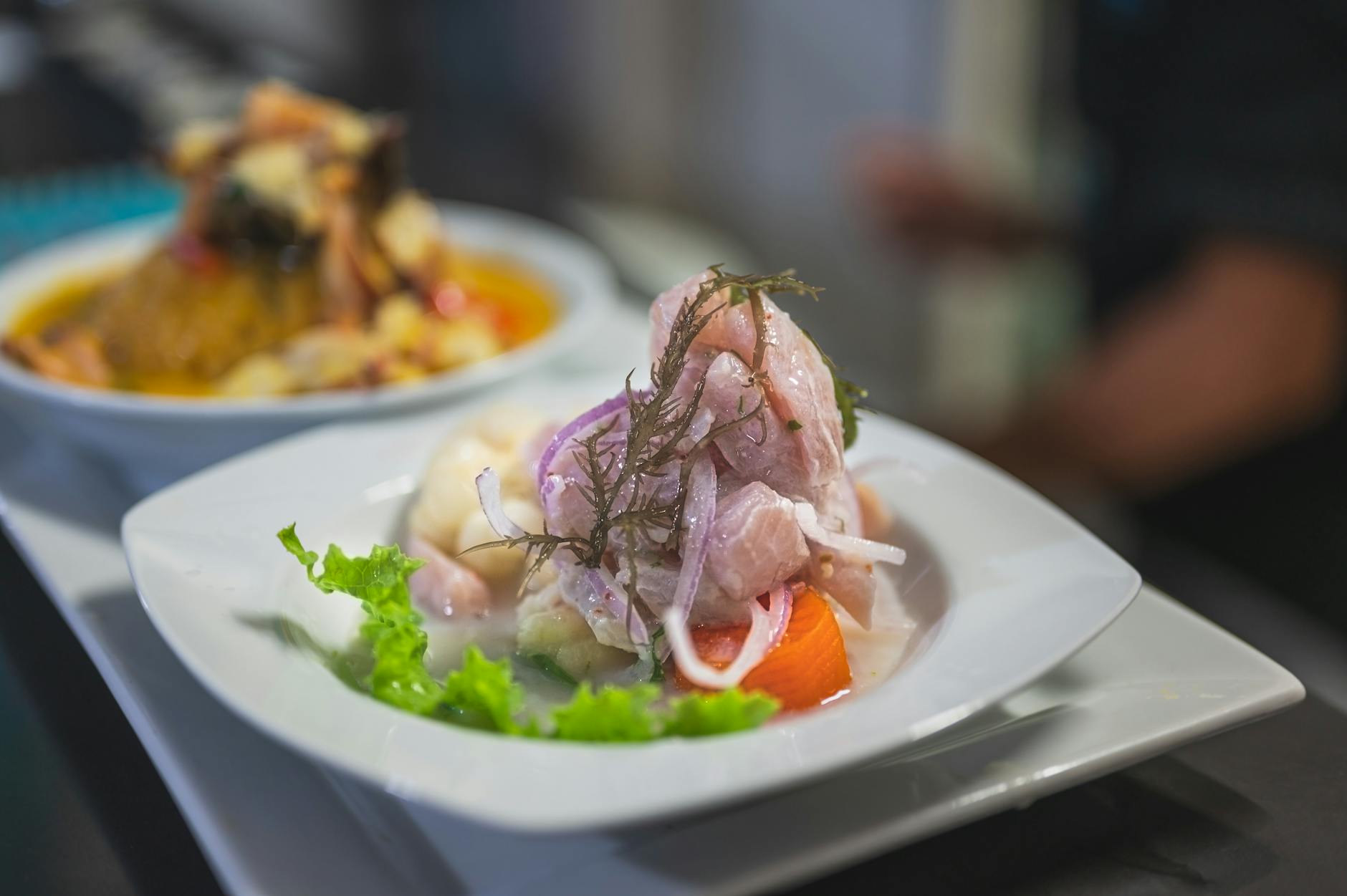
Why Does Ceviche Not Make You Sick? Understanding the Science Behind Safe “Cooking”
Ceviche seems like raw fish, but it’s actually “cooked” through a process called denaturation using acidic citrus juices. This process, when done correctly, makes it less likely to make you sick.

The Appeal of Ceviche: A Culinary Staple
Ceviche, a dish originating from Latin America, particularly Peru, has gained global popularity for its refreshing flavors and simple preparation. It typically consists of raw fish marinated in citrus juices, such as lime or lemon, and seasoned with ingredients like onions, cilantro, and chili peppers. Its vibrant taste and perceived health benefits have made it a favorite among food enthusiasts. However, the fact that the fish is technically “raw” raises concerns about food safety and potential health risks. Why does ceviche not make you sick? The answer lies in the science behind the marination process.

Is distilled water good for goldfish?
What colours are fish most attracted to?
Can you put your finger in a trout's mouth?
Is methylene blue anti bacterial?
The Science of “Cooking” with Acid

The apparent contradiction of “cooking” without heat in ceviche is explained by the chemical process of denaturation. In essence, the acidity of the citrus juice alters the structure of the proteins in the fish.
- Denaturation: The acidic environment causes the proteins to unfold and coagulate, mimicking the effects of heat. This process alters the texture and appearance of the fish, making it appear “cooked.”
- Acidity Level: The pH of the marinade plays a crucial role. Ideally, it should be low enough (typically below 4.5) to effectively denature the proteins and inhibit the growth of harmful bacteria. The higher the acidity, the safer the ceviche.
- Marination Time: Adequate marination time is essential for thorough denaturation. The duration depends on the type of fish, the size of the pieces, and the acidity of the marinade, but generally ranges from 15 minutes to several hours.
Factors Affecting Ceviche Safety
While the acidic marinade helps reduce the risk of foodborne illness, it’s crucial to understand that it doesn’t eliminate it entirely. Several factors influence the safety of ceviche.
- Fish Quality: Using only the freshest, high-quality fish is paramount. Sushi-grade fish, handled with strict hygiene standards, is the best choice.
- Proper Handling and Hygiene: Maintaining a clean and sanitary environment during preparation is vital. This includes washing hands thoroughly, using clean utensils and cutting boards, and preventing cross-contamination with other foods.
- Temperature Control: Keeping the fish chilled throughout the preparation and marination process is crucial for inhibiting bacterial growth. Refrigeration is key.
- Acid Concentration: The acidity of the citrus juice can vary. Freshly squeezed citrus is preferable, and ensuring the juice fully covers the fish is important.
Common Mistakes in Ceviche Preparation
Improper preparation can significantly increase the risk of foodborne illness. Here are some common mistakes to avoid.
- Using Low-Quality Fish: Skimping on the quality of the fish is a major risk factor. Always opt for the freshest, highest-grade fish available.
- Insufficient Marination Time: Rushing the marination process can lead to incomplete denaturation, leaving the fish vulnerable to bacterial contamination.
- Inadequate Acidity: Using diluted or weak citrus juice may not effectively kill bacteria.
- Poor Hygiene Practices: Neglecting proper hygiene practices, such as washing hands and utensils, can introduce harmful bacteria into the ceviche.
- Improper Storage: Leaving ceviche at room temperature for extended periods allows bacteria to multiply rapidly. It should always be refrigerated until served.
Choosing the Right Fish for Ceviche
The type of fish used in ceviche also affects its safety and taste.
| Fish Type | Safety Considerations | Flavor Profile |
|---|---|---|
| Sea Bass | Generally safe when fresh and properly handled. | Mild, delicate |
| Snapper | Good choice, but ensure it’s sourced from reputable suppliers. | Sweet, firm |
| Flounder/Sole | Mild flavor, but must be very fresh. | Delicate, flaky |
| Tuna (Sushi Grade) | Safe when sushi-grade and handled correctly. | Rich, buttery |
| Shrimp | While technically ceviche, it is usually boiled before marinating. | Sweet, briny |
FAQs: Demystifying Ceviche Safety
Why does ceviche not make you sick if it’s made with “raw” fish?
The acidity of the citrus juice, typically lime or lemon, denatures the proteins in the fish, effectively “cooking” it without heat. This process also inhibits the growth of many harmful bacteria, reducing the risk of foodborne illness. However, this process doesn’t kill all pathogens, so fresh, high-quality fish is vital.
How long does ceviche need to marinate to be safe?
The marination time depends on several factors, including the type and size of the fish, and the acidity of the juice. Generally, at least 15-30 minutes is recommended, but longer marination times (up to several hours) may be necessary for thicker pieces of fish. The fish should appear opaque and firm, an indicator of proper denaturation.
What type of fish is safest for ceviche?
The safest fish for ceviche is sushi-grade fish from a reputable source. Sea bass, snapper, flounder, and sushi-grade tuna are good options. Avoid fish that have a strong odor or appear slimy.
Can the acid in ceviche kill all bacteria and parasites?
While the acid does inhibit the growth of many bacteria and can kill some parasites, it doesn’t eliminate all risks. Freezing the fish beforehand can also help kill parasites.
Is it safe to eat ceviche if you are pregnant or have a compromised immune system?
Individuals who are pregnant, have a compromised immune system, or are otherwise susceptible to foodborne illness should avoid eating ceviche. The risks are significantly higher for these groups.
What are the symptoms of food poisoning from ceviche?
Symptoms of food poisoning from ceviche can include nausea, vomiting, diarrhea, abdominal cramps, and fever. These symptoms can appear within a few hours to several days after consumption. Seek medical attention if symptoms are severe.
Can I make ceviche with frozen fish?
Yes, using previously frozen fish is a good way to reduce the risk of parasites. Make sure the fish is thawed properly in the refrigerator before using it.
How should ceviche be stored?
Ceviche should be stored in an airtight container in the refrigerator and consumed within 24 hours. Discard any leftover ceviche after this time.
Does the type of citrus juice used in ceviche affect its safety?
Lime and lemon juice are the most common choices, both being acidic enough to denature the fish proteins. However, the acidity levels can vary, so using fresh, high-quality juice is essential.
What other ingredients are essential for safe ceviche preparation?
Besides high-quality fish and citrus juice, proper hygiene practices are crucial. Wash hands thoroughly, use clean utensils and cutting boards, and prevent cross-contamination with other foods.
How can I tell if ceviche has gone bad?
If the ceviche has an unpleasant odor, a slimy texture, or a dull appearance, it has likely gone bad and should not be consumed. Trust your senses and err on the side of caution.
Why does ceviche not make you sick all the time, even when made incorrectly?
Even when the best practices are not followed, the chance of food poisoning depends on many things: the fish itself, the amount of bacteria present, and the individual’s immune system. You might get lucky sometimes, but relying on luck is not a safe strategy.