

Why Do Rabbits Eat Their Hutch? A Comprehensive Guide
Rabbits eating their hutch is often due to boredom, dental health issues, or a lack of essential nutrients; understanding these reasons is crucial for ensuring your rabbit’s well-being and preventing destructive behavior.
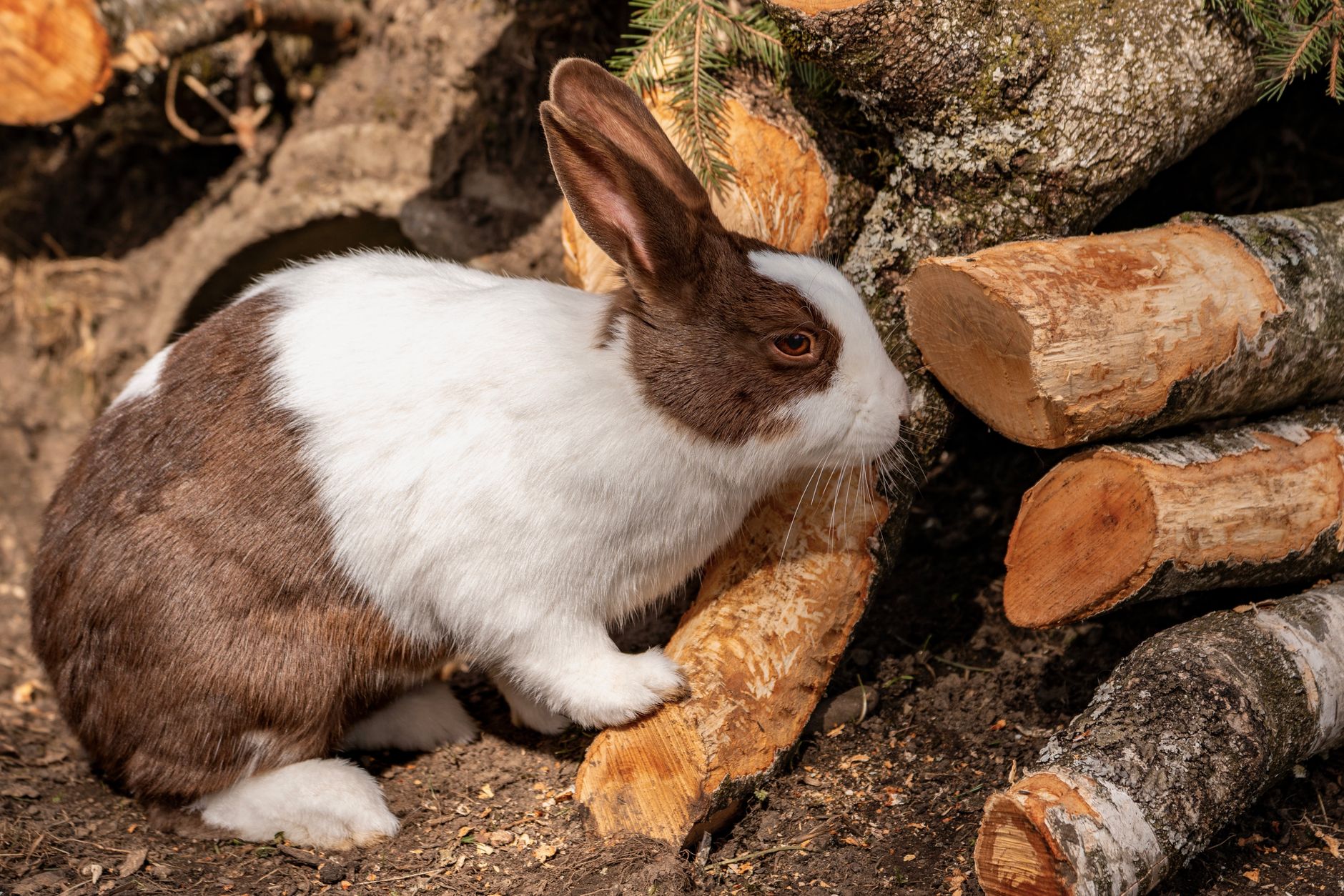
Introduction: Understanding Rabbit Behavior
Rabbits, known for their adorable hopping and twitching noses, can sometimes exhibit behaviors that puzzle their owners. One such behavior is the seemingly destructive act of chewing on their hutch. While it may appear that your rabbit is simply trying to escape or cause trouble, there are several underlying reasons why do rabbits eat their hutch? Understanding these reasons is the first step towards addressing the issue and creating a healthier, happier environment for your furry friend.
The Gnawing Instinct: Dental Health and Fiber Needs

Rabbits possess continuously growing teeth. To keep them at a manageable length, they must constantly gnaw and chew. This is not merely a preference; it’s a biological necessity for their health. If rabbits don’t have appropriate materials to chew on, they will often turn to their hutch, regardless of the material.
- Importance of Fiber: Chewing on tough materials also helps to stimulate saliva production, which aids in digestion and prevents dental problems.
- Dental Problems: Without adequate chewing, rabbits can develop malocclusion, a painful condition where their teeth overgrow and misalign.
Boredom and Environmental Enrichment
A bored rabbit is a destructive rabbit. In the absence of stimulation and engaging activities, rabbits will seek out ways to entertain themselves, and chewing is a common outlet. Why do rabbits eat their hutch when they are bored? Because it’s something to do!
-
Signs of Boredom: Lack of interest in toys, lethargy, excessive grooming, and destructive behavior are all telltale signs.
-
Environmental Enrichment Strategies:
- Provide a variety of chew toys (wood, cardboard, hay).
- Offer opportunities for digging (a digging box filled with shredded paper or soil).
- Rotate toys regularly to keep them interesting.
- Consider providing puzzle toys that challenge their intellect.
Nutritional Deficiencies
In some cases, chewing on the hutch can indicate a dietary deficiency, particularly a lack of minerals or fiber.
- Fiber Deficiency: As mentioned before, fiber is crucial. A diet primarily consisting of pellets and lacking in hay can lead to boredom and chewing behavior.
- Mineral Deficiencies: Although less common, a lack of certain minerals might cause the rabbit to seek them out by chewing on different materials.
Material of the Hutch: A Contributing Factor
The material of the hutch itself can influence the likelihood of your rabbit chewing on it. Wooden hutches are particularly vulnerable.
- Wood: Wood is a natural material that rabbits are drawn to chew on. Softwoods like pine are easier to chew, but hardwoods like applewood are more durable and offer a better chewing experience.
- Plastic: While less common, some hutches have plastic components. Rabbits may chew on these if they are easily accessible or if the plastic has a tempting texture. Chewing on plastic is dangerous and can cause blockages.
- Wire: Some hutches use wire mesh. If the mesh is loose or accessible, rabbits may chew on it, potentially damaging their teeth and gums.
Potential Solutions: Addressing the Root Cause
Once you’ve identified the potential reasons why do rabbits eat their hutch?, you can implement targeted solutions.
- Dietary Adjustments: Ensure your rabbit has access to unlimited high-quality hay (Timothy, orchard grass, or meadow hay). Supplement with fresh vegetables and a limited amount of rabbit pellets.
- Chew Toy Variety: Offer a variety of safe and engaging chew toys. Rotate them regularly to maintain interest.
- Hutch Modifications: Protect vulnerable areas of the hutch with metal flashing or chew-resistant materials. Consider providing a dedicated chewing area within the hutch.
- Increase Exercise and Enrichment: Provide ample opportunities for exercise and playtime outside of the hutch. Spend time interacting with your rabbit, offering mental stimulation and companionship.
When to Consult a Veterinarian
While many cases of hutch chewing can be resolved with environmental and dietary adjustments, it’s crucial to consult a veterinarian if you notice the following:
- Sudden or drastic increase in chewing behavior.
- Signs of dental problems (drooling, difficulty eating, weight loss).
- Lethargy or other signs of illness.
- Suspicion that your rabbit has ingested plastic or other harmful materials.
A veterinarian can rule out any underlying medical conditions and provide guidance on managing your rabbit’s chewing behavior.

Frequently Asked Questions (FAQs)
Is it dangerous for rabbits to eat wood?
It depends on the type of wood. Safe woods for rabbits include applewood, willow, and fruit tree branches. However, treated wood, cedar, and redwood are toxic and should be avoided at all costs. Ingestion of treated wood can cause serious health problems.
What kind of chew toys are best for rabbits?
Good options include applewood sticks, willow balls, cardboard tubes, hay-filled toys, and untreated pine cones. Avoid toys made of plastic or materials that could splinter and cause injury.
How much hay should a rabbit eat each day?
Rabbits should have unlimited access to hay. It should make up approximately 80-90% of their diet.
Can I use vinegar to deter my rabbit from chewing?
Some owners find that spraying a diluted vinegar solution on the hutch can deter chewing. However, test a small area first to ensure it doesn’t damage the hutch or irritate your rabbit.
How do I know if my rabbit is bored?
Signs of boredom include lethargy, lack of interest in toys, excessive grooming, and destructive behavior such as chewing on the hutch. Providing enrichment and interaction can help combat boredom.
Why is my rabbit only chewing on one part of the hutch?
There could be several reasons. It might be the most accessible part, the softest part, or a part that offers the most satisfying chewing experience. Examine the area closely to determine why it’s so appealing.
Should I scold my rabbit for chewing on the hutch?
Scolding your rabbit is unlikely to be effective and may damage your bond. Instead, focus on providing alternative chewing options and addressing the underlying cause of the behavior. Positive reinforcement is always more effective than punishment.
Can chewing on the hutch damage my rabbit’s teeth?
Yes, chewing on inappropriate materials like wire or hard plastic can damage your rabbit’s teeth and gums. Provide safe and appropriate chew toys to protect their dental health.
What is malocclusion, and how can I prevent it?
Malocclusion is a dental condition where the teeth overgrow and misalign. It can be prevented by ensuring your rabbit has a diet high in fiber and access to appropriate chew toys. Regular veterinary checkups are also important for early detection.
Is it possible to rabbit-proof a wooden hutch completely?
While it’s difficult to completely rabbit-proof a wooden hutch, you can significantly reduce the risk of chewing by protecting vulnerable areas with metal flashing or other chew-resistant materials. Regular maintenance and repairs are also essential.
My rabbit is suddenly chewing on the hutch more than usual. What should I do?
A sudden increase in chewing behavior could indicate a change in diet, boredom, or a dental problem. Observe your rabbit closely and consult a veterinarian if you have concerns.
How important is exercise in preventing destructive behavior?
Exercise is crucial for preventing destructive behavior. Rabbits need ample opportunity to run, hop, and explore. Providing at least 4 hours of exercise outside of the hutch each day can significantly reduce boredom and chewing.