

Can Cats Have Enemies? Unveiling the Complex Social Lives of Felines
Can cats have enemies? Absolutely, yes. Cats, despite their often solitary reputation, are complex social creatures capable of forming strong positive and negative relationships, resulting in true enemies.

The Myth of the Solitary Cat
For centuries, cats have been painted as aloof, independent creatures who prefer their own company. While some cats do exhibit a more solitary nature than others, this is far from the whole story. Wild and feral cat populations demonstrate intricate social structures, and even our pampered house cats engage in a complex dance of dominance, affiliation, and avoidance with other cats, animals, and even humans. Understanding this social complexity is crucial to answering the question: Can cats have enemies?
Decoding Feline Social Dynamics

The idea that cats exist in a state of blissful indifference to one another is simply untrue. Cats are highly territorial animals, and this territoriality often leads to conflict. Factors influencing feline relationships include:
- Resource availability: Competition for food, water, and prime sleeping spots can spark animosity.
- Early socialization: Cats who are properly socialized as kittens are more likely to get along with other cats later in life.
- Personality: Just like humans, cats have distinct personalities. Some are naturally more sociable than others.
- Gender: Unneutered males are particularly prone to territorial aggression towards other males.
- Individual experiences: Traumatic experiences with other cats can create lasting fear and hostility.
The Anatomy of a Feline Feud: Recognizing Enmity
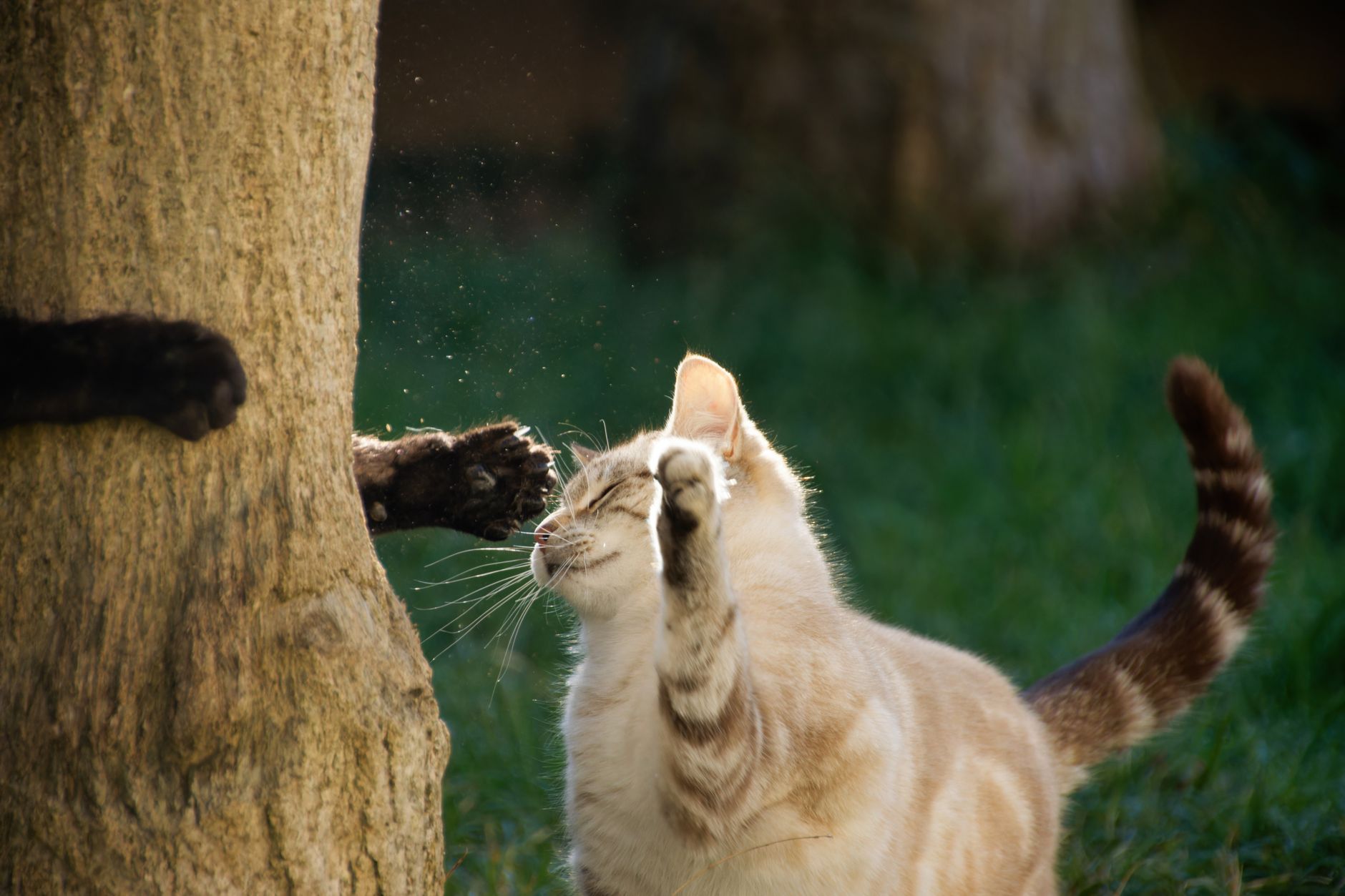
What does feline enmity actually look like? It’s more than just a hiss or a swipe. A true cat enemy represents a consistent and targeted source of stress and fear. Signs of feline enmity include:
- Stalking and ambushing: One cat consistently hides and attacks another.
- Blocking access: One cat prevents another from accessing food, water, litter boxes, or favored resting spots.
- Constant hissing and growling: Intense vocalizations are a clear indicator of hostility.
- Physical aggression: Fighting, biting, and scratching are obvious signs of animosity.
- Stress-related behaviors: The target cat may exhibit signs of stress, such as hiding, changes in appetite, excessive grooming, or inappropriate urination.
Who Can Cats Consider Enemies?
While other cats are the most common targets of feline enmity, cats can also harbor negative feelings towards:
- Dogs: Predatory instincts and territoriality can lead to conflict between cats and dogs.
- Other animals: Birds, rodents, and even certain reptiles can be viewed as threats or prey, leading to hostile interactions.
- Humans: While rare, some cats may develop a genuine dislike for certain individuals due to negative experiences or perceived threats.
Managing Feline Conflict: Preventing and Resolving Enmity
If you suspect your cats have developed a rivalry, it’s important to intervene. Here are some strategies for managing feline conflict:
- Rule out medical causes: Sudden aggression can sometimes be a sign of underlying illness or pain. Consult your veterinarian.
- Provide ample resources: Ensure each cat has its own food bowl, water bowl, litter box, and sleeping area.
- Increase vertical space: Cats feel safer when they have elevated perches to retreat to. Cat trees and shelves can help.
- Scent swapping: Rub a cloth on one cat and then place it near the other cat’s sleeping area to help them get used to each other’s scent.
- Reintroduction: If the conflict is severe, you may need to separate the cats and gradually reintroduce them, starting with scent swapping and visual introductions.
- Pheromone diffusers: Feliway diffusers release synthetic feline pheromones that can help reduce stress and anxiety.
- Consult a veterinary behaviorist: In severe cases, a veterinary behaviorist can provide tailored advice and potentially prescribe medication.
| Strategy | Description |
|---|---|
| Resource Management | Providing separate bowls, litter boxes, and beds prevents competition. |
| Vertical Territory | Allows cats to observe from a safe distance, reducing feelings of vulnerability. |
| Scent Familiarization | Helps cats become accustomed to each other’s scent in a non-threatening way. |
| Controlled Reintroduction | A gradual process to rebuild positive associations and decrease fear. |
| Pheromone Therapy | Uses synthetic pheromones to create a sense of calm and security. |
The Impact of Enmity on Feline Well-being
Chronic stress from feline conflict can have serious consequences for a cat’s physical and mental health. It can lead to:
- Suppressed immune system: Making the cat more susceptible to illness.
- Behavioral problems: Such as aggression, inappropriate urination, and excessive grooming.
- Reduced quality of life: The cat may become withdrawn, anxious, and fearful.
Therefore, addressing feline enmity is not just about preventing fights; it’s about safeguarding the well-being of your beloved pets.
Frequently Asked Questions (FAQs)
Can a cat truly hate another cat?
While we can’t know exactly what a cat “feels,” evidence suggests that cats are capable of experiencing negative emotions like fear, anxiety, and aggression towards other cats. This intense negativity, coupled with consistent avoidance and antagonistic behavior, can be interpreted as akin to hatred.
What are the early warning signs of a potential cat rivalry?
Look for subtle cues like staring, posturing (e.g., puffed-up fur, arched back), hissing, and growling. These behaviors indicate tension and discomfort between cats and can escalate into more overt aggression if not addressed.
My cats used to get along, but now they fight. What happened?
Several factors can disrupt established feline relationships, including changes in the environment (e.g., new pet, renovation), illness, or age-related changes. Identify the trigger and address any underlying medical issues.
Is it possible for two cats who are enemies to ever become friends?
Yes, it’s possible, but it requires patience, consistent effort, and careful management. A gradual reintroduction process, coupled with positive reinforcement and environmental enrichment, can sometimes help cats overcome their animosity.
Should I punish my cats for fighting?
Punishment is never an effective solution for feline aggression. It can increase anxiety and fear, making the problem worse. Instead, focus on identifying and addressing the underlying causes of the conflict.
My cat is constantly bullying my other cat. What can I do?
Ensure the bullied cat has safe spaces to retreat to and consider using pheromone diffusers to reduce overall stress levels. A veterinary behaviorist can also help you develop a tailored management plan.
Will neutering/spaying help reduce aggression between cats?
Yes, neutering and spaying can significantly reduce aggression, particularly in male cats. Hormones play a key role in territorial aggression, so removing the source of these hormones can have a calming effect.
How long does it take for cats to get used to each other?
The timeline varies depending on the cats’ personalities, previous experiences, and the severity of the conflict. It can take weeks, months, or even years for cats to fully accept each other. Patience is key.
Are some cat breeds more prone to having enemies than others?
While breed isn’t the sole determinant, some breeds are known for being more territorial or independent, potentially increasing the likelihood of conflict. Understanding your breed’s general tendencies can be helpful.
Can I use spray bottles to stop my cats from fighting?
While a spray bottle may temporarily interrupt a fight, it can also create fear and anxiety, damaging the relationship between you and your cats. It’s generally not recommended as a long-term solution.
What role does scent play in feline relationships?
Scent is crucial to feline communication. Cats use scent marking to establish territory and communicate with other cats. Introducing new scents or disrupting existing scent profiles can trigger conflict.
Is there any medication that can help with feline aggression?
In some cases, medication may be prescribed by a veterinary behaviorist to help manage anxiety and aggression. However, medication should always be used in conjunction with behavioral modification techniques.