

Has Anyone Kept a Komodo Dragon as a Pet?
Has anyone kept a Komodo dragon as a pet? The simple answer is: rarely, and when it has occurred, it’s been fraught with extreme danger and ethical concerns. Keeping a Komodo dragon as a pet is a highly irresponsible and generally illegal act due to the animal’s inherent dangers, specialized needs, and protected status.
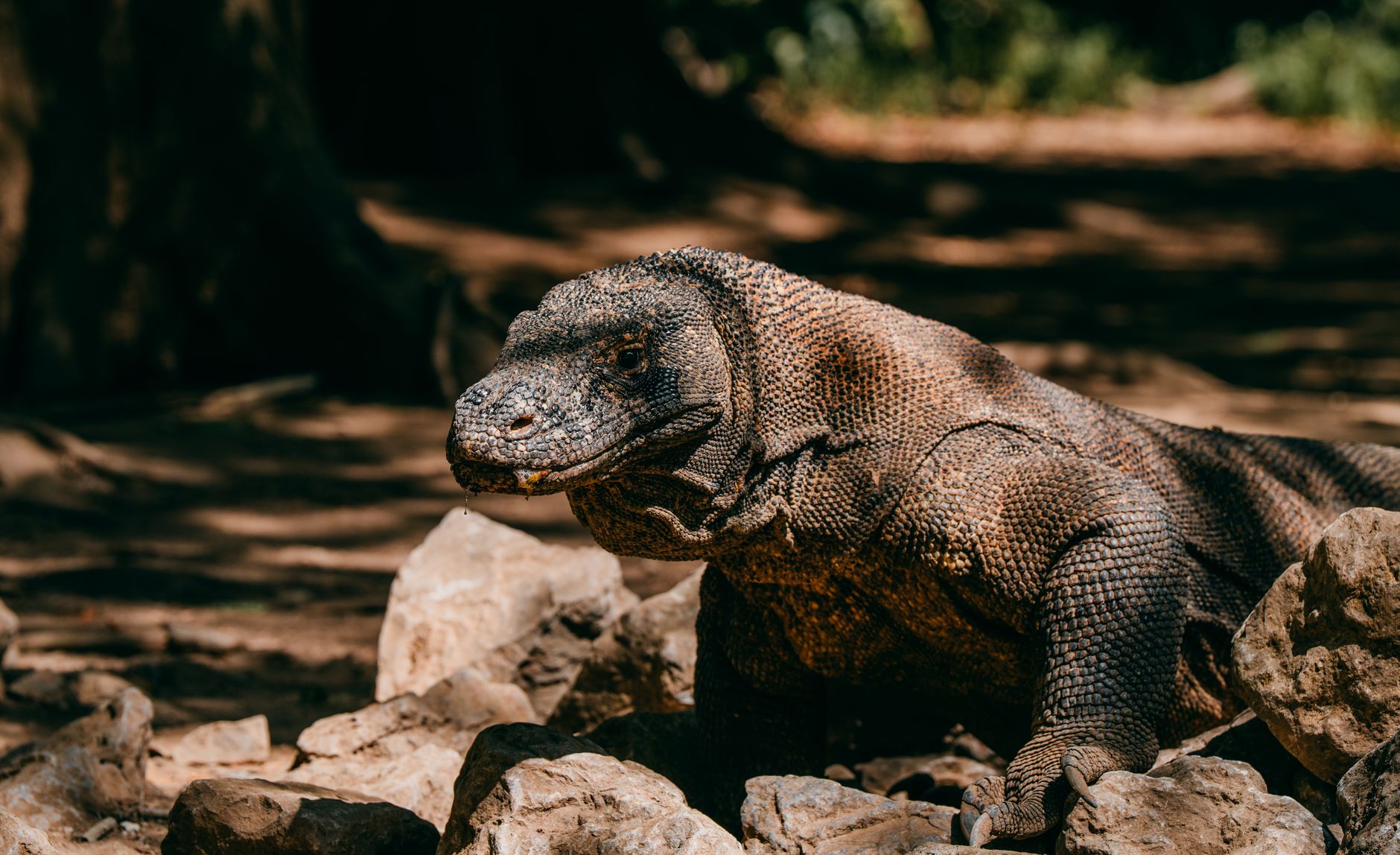
Komodo Dragons: An Apex Predator, Not a Pet
Komodo dragons, Varanus komodoensis, are the largest lizards on Earth and apex predators native to a few Indonesian islands. They are formidable creatures with a venomous bite, powerful muscles, and a predatory instinct that makes them unsuitable for domestication. Their biology and behavior make them utterly incompatible with life as a companion animal. The question ” Has anyone kept a Komodo dragon as a pet? ” should really be considered as “Could someone responsibly care for a Komodo dragon outside of a specialized zoological facility?”.
The Dangers of Komodo Dragons

The dangers of keeping a Komodo dragon as a pet are multifaceted and profound:
- Venomous Bite: Komodo dragons possess a venomous bite containing anticoagulants that can cause severe bleeding and potential death.
- Powerful Jaws and Teeth: Their jaws are incredibly strong, capable of crushing bones and tearing flesh. Their teeth are serrated and designed for ripping.
- Opportunistic Predators: They are opportunistic predators that will readily attack and consume anything they perceive as prey, including humans.
- Unpredictable Behavior: Their behavior is inherently unpredictable. Even seemingly docile dragons can become aggressive without warning.
- Salmonella and Bacteria: Their saliva contains a cocktail of bacteria that can cause serious infections.
Legal and Ethical Considerations
Beyond the immediate physical dangers, significant legal and ethical hurdles exist.
- Protected Species: Komodo dragons are listed as Vulnerable by the International Union for Conservation of Nature (IUCN) and are protected under Indonesian law. Keeping one as a pet is often illegal.
- Conservation Efforts: Removing them from their natural habitat disrupts vital conservation efforts aimed at protecting their dwindling population.
- Animal Welfare: Komodo dragons have complex behavioral and environmental needs that cannot be met in a typical home environment. Keeping them in captivity without proper facilities is a form of animal cruelty.
- Public Safety: Escaped Komodo dragons pose a significant threat to public safety.
The Complex Needs of Komodo Dragons in Captivity
Even reputable zoos face significant challenges in providing appropriate care for Komodo dragons. These include:
- Extensive Enclosures: They require vast enclosures that mimic their natural habitat, including controlled temperature and humidity, climbing structures, and ample space for roaming.
- Specialized Diet: Their diet must consist of whole prey animals, requiring careful sourcing and storage.
- Experienced Keepers: They require highly trained and experienced keepers who understand their behavior and can handle them safely.
- Veterinary Care: Specialized veterinary care is essential to address their unique health needs.
Answering The Question: Has anyone kept a Komodo dragon as a pet?
While verifiable cases of individuals successfully and responsibly keeping Komodo dragons as pets are extremely rare and highly questionable, anecdotal stories and past instances suggest that some individuals may have attempted to do so. Such attempts invariably end in tragedy for the animal, danger to the owner, and often legal repercussions. Essentially, the question “Has anyone kept a Komodo dragon as a pet?” can be answered as “Possibly, but in a way that is almost certainly irresponsible, unethical, and often illegal.”
The Difference Between Zoos/Research Facilities and Private Homes
The key distinction to draw here is the immense difference between accredited zoos and research facilities, versus the average home. The former are equipped with specialized habitats, highly trained staff, and the financial resources to properly care for these animals, while the latter cannot hope to replicate that level of care. Therefore, attempts to keep these creatures in private residences are inherently dangerous to both the animal and humans.

Frequently Asked Questions (FAQs)
Is it legal to own a Komodo dragon?
No, it is generally illegal to own a Komodo dragon. They are protected under Indonesian law and listed as Vulnerable by the IUCN. International trade is also strictly regulated under CITES (Convention on International Trade in Endangered Species of Wild Fauna and Flora). Exceptions may exist for accredited zoos and research facilities under strict permits.
How dangerous is a Komodo dragon bite?
A Komodo dragon bite is extremely dangerous. Their saliva contains a venomous cocktail of anticoagulants and a potent mix of bacteria that can cause severe bleeding, infection, and potentially death.
What do Komodo dragons eat?
Komodo dragons are opportunistic carnivores that eat a wide variety of animals, including deer, pigs, goats, water buffalo, birds, and even other Komodo dragons. In captivity, they require a diet of whole prey animals to meet their nutritional needs.
Can Komodo dragons be trained?
While Komodo dragons can learn to associate certain actions with food, they cannot be truly domesticated or trained in the way that dogs or cats can. Their predatory instincts and unpredictable behavior make them inherently untrainable as pets.
What is the lifespan of a Komodo dragon?
In the wild, Komodo dragons typically live for around 30 years. In captivity, with proper care, they may live slightly longer, but maintaining a healthy Komodo dragon for its natural lifespan requires significant resources and expertise.
What kind of enclosure does a Komodo dragon need?
Komodo dragons require very large enclosures that mimic their natural habitat, with controlled temperature and humidity, climbing structures, and ample space for roaming. These enclosures are expensive to build and maintain.
Are Komodo dragons good with children?
Absolutely not. Komodo dragons are extremely dangerous to children. Their predatory instincts and powerful bite make them a severe threat.
How smart are Komodo dragons?
Komodo dragons are relatively intelligent lizards, capable of learning and problem-solving. However, their intelligence does not translate into suitability as pets. Their intelligence is mostly geared towards hunting and survival.
What are the signs of aggression in a Komodo dragon?
Signs of aggression in a Komodo dragon include hissing, arching their back, whipping their tail, and lunging. Even seemingly docile dragons can become aggressive without warning, making it imperative to always maintain a safe distance.
What should I do if I encounter a Komodo dragon in the wild?
If you encounter a Komodo dragon in the wild, maintain a safe distance and slowly back away. Avoid making sudden movements or loud noises. Report the sighting to local authorities.
Are there any benefits to keeping Komodo dragons in captivity?
The primary benefits of keeping Komodo dragons in captivity are related to conservation, research, and education. Zoos and research facilities play a vital role in studying these endangered animals and raising awareness about their plight.
What is the biggest mistake people make when considering exotic pets?
The biggest mistake people make when considering exotic pets is underestimating the challenges involved. They often fail to research the animal’s specific needs and are unprepared for the long-term commitment, expense, and potential dangers. This is especially true when considering creatures such as a Komodo Dragon.