
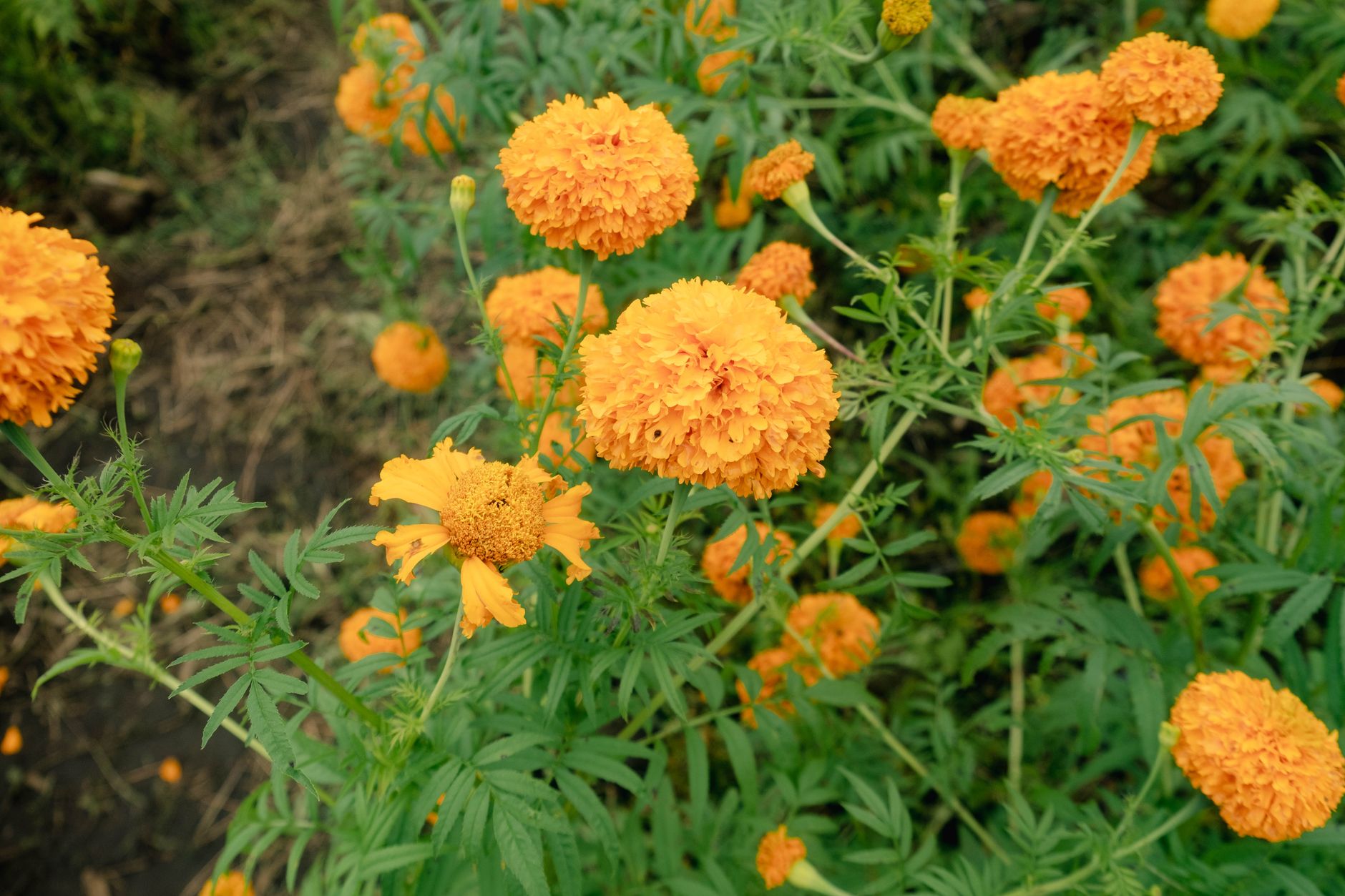
What Not to Plant Near Marigolds: A Gardener’s Guide to Companion Planting
Avoid planting brassicas like cabbage, broccoli, and kale directly near marigolds, as their growth may be inhibited; similarly, do not plant beans close to marigolds because the flowers may attract bean beetles. Understanding companion planting helps maximize the benefits of marigolds while avoiding potential negative impacts on other plants.
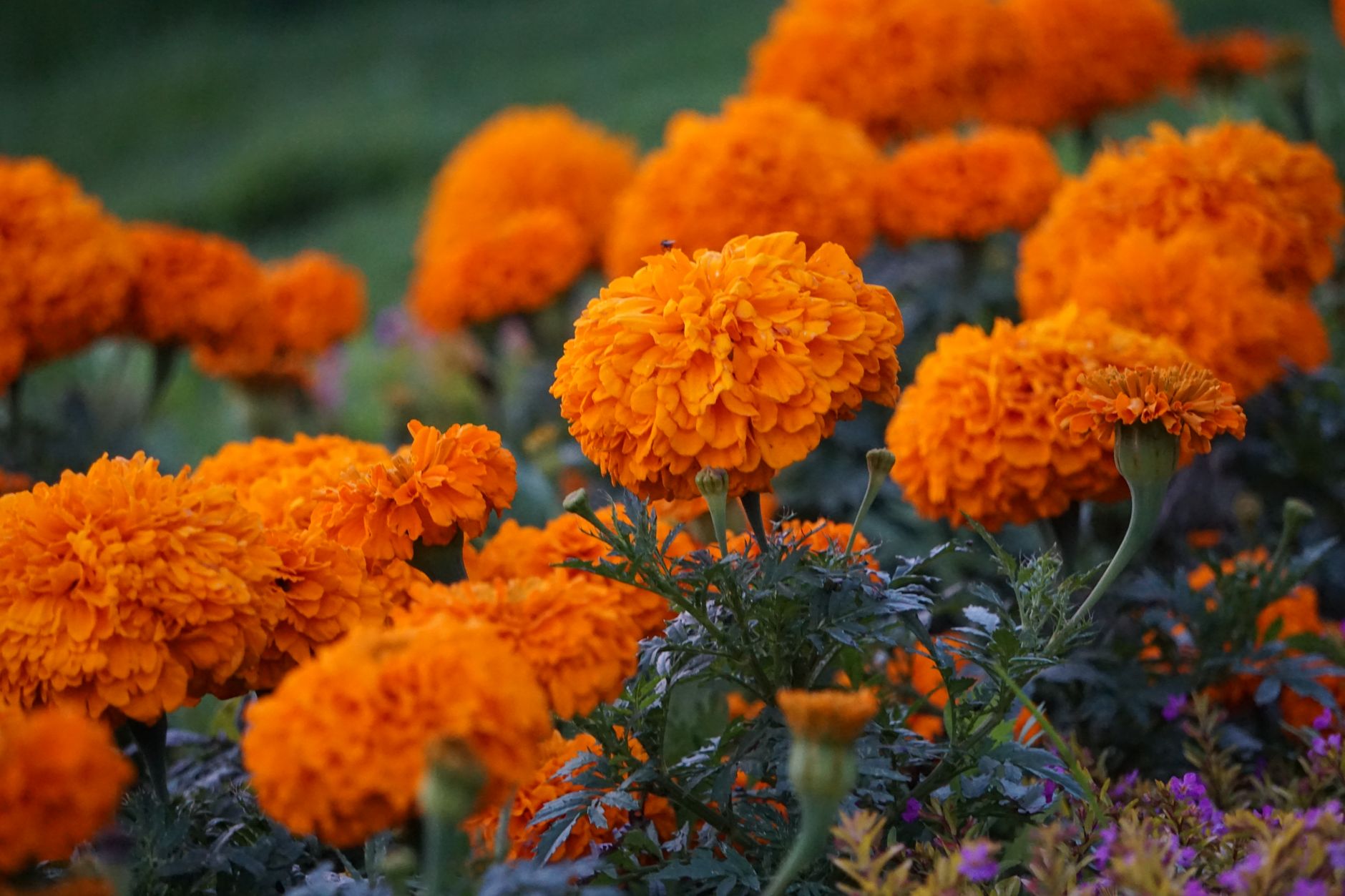
The Magic of Marigolds: A Gardener’s Best Friend
Marigolds are more than just pretty flowers. They’re hardworking helpers in the garden, offering a multitude of benefits that make them a favorite among both novice and experienced gardeners. But like any good relationship, companion planting with marigolds is about understanding who they get along with and, more importantly, who they don’t.
The Benefits of Marigolds in the Garden

Marigolds’ reputation as beneficial companion plants stems from their ability to:
-
Repel Nematodes: Marigolds, especially French marigolds, release a compound called alpha-terthienyl into the soil, which is toxic to nematodes, microscopic worms that can damage plant roots.
-
Deter Certain Insects: The strong scent of marigolds repels many common garden pests, including:
- Aphids
- Whiteflies
- Tomato hornworms
- Cabbage moths
-
Attract Beneficial Insects: While they deter some pests, marigolds attract beneficial insects like ladybugs and hoverflies, which prey on aphids and other harmful insects.
-
Enhance Soil Health: Marigolds can improve soil structure and drainage.


What Can You Not Plant Near Marigolds?: The Plants to Avoid
Knowing what can you not plant near marigolds is just as important as knowing what they benefit. While generally beneficial, marigolds can negatively affect certain plants due to allelopathy (chemical interactions between plants) or pest attraction.
Here’s a breakdown of plants that are best kept at a distance:
-
Brassicas (Cabbage, Broccoli, Kale, Cauliflower): Marigolds may inhibit the growth of these plants. While the exact mechanism isn’t fully understood, some believe it involves allelochemicals or altered soil conditions. It’s best to provide these plants with ample spacing from marigolds.
-
Beans: Marigolds can attract bean beetles, which will decimate your bean crop. While marigolds might deter other pests, in this case, they do more harm than good when placed near beans.
-
Specific Herb Combinations: Basil, while generally a good companion plant, can sometimes be negatively impacted when in very close proximity to marigolds. Monitor basil plants closely if planted nearby for any signs of stunted growth or discoloration.
| Plant | Reason to Avoid Proximity |
|---|---|
| Brassicas | Potential growth inhibition. |
| Beans | Attract bean beetles. |
| Basil | Potential inhibition in certain situations. Monitor plants closely. |
Common Mistakes When Planting Marigolds
Even with the best intentions, gardeners can make mistakes when using marigolds as companion plants. Common pitfalls include:
-
Planting Too Few: One or two marigolds won’t have a significant impact. Plant them in sufficient quantities to create a noticeable effect.
-
Ignoring Watering Needs: Marigolds need regular watering, especially during dry spells. Neglecting their water requirements can reduce their effectiveness.
-
Over-Fertilizing: While they benefit from fertile soil, over-fertilizing marigolds can lead to excessive foliage growth at the expense of flower production, reducing their pest-repelling capabilities.
-
Improper Variety Selection: French marigolds (Tagetes patula) are generally more effective at nematode control than other varieties. Ensure you choose the right type for your specific needs.
-
Planting Too Close to Sensitive Plants: As highlighted earlier, avoid planting close to brassicas and beans to prevent negative interactions.
Optimizing Marigold Placement for Maximum Benefit
The key to successful companion planting with marigolds lies in strategic placement.
-
Border Planting: Plant marigolds around the perimeter of your garden to create a protective barrier against pests.
-
Interplanting: Incorporate marigolds among vegetable crops like tomatoes, peppers, and eggplants to deter pests and attract beneficial insects.
-
Container Gardening: Place marigolds in containers near vulnerable plants on patios or balconies.
-
Succession Planting: Plant marigolds in waves throughout the growing season to maintain consistent pest control.
Frequently Asked Questions (FAQs)
Will all types of marigolds repel nematodes?
While all marigolds possess some nematode-repelling properties, French marigolds (Tagetes patula) are the most effective. Their roots release higher concentrations of alpha-terthienyl, the compound toxic to nematodes.
Can I plant marigolds in the same pot as other plants?
In general, it’s best to avoid planting marigolds in the same pot as brassicas or beans. Other compatible plants, like tomatoes or peppers, can thrive in the same container, but ensure adequate space and consider the specific needs of each plant.
How close is too close when planting marigolds near brassicas?
It’s recommended to keep brassicas at least 12-18 inches away from marigolds. Providing adequate spacing minimizes the risk of growth inhibition.
Are there any specific varieties of beans that shouldn’t be planted near marigolds?
All bean varieties are susceptible to bean beetles, so it’s best to avoid planting any type of bean near marigolds.
Do marigolds attract slugs?
Marigolds themselves do not particularly attract slugs, however, they can provide shelter for them under their foliage. It’s crucial to monitor your marigold plants regularly for slug infestations and take appropriate control measures if necessary.
Can marigolds help protect my tomato plants?
Yes, marigolds are excellent companion plants for tomatoes. They deter tomato hornworms, aphids, and other common tomato pests, leading to healthier and more productive plants.
How often should I water marigolds?
Marigolds need regular watering, especially during hot, dry weather. Water deeply when the top inch of soil feels dry. Avoid overwatering, as this can lead to root rot.
Do marigolds need full sun?
Marigolds thrive in full sun, which means at least six hours of direct sunlight per day. However, they can tolerate partial shade, especially in hotter climates.
Should I deadhead my marigolds?
Yes, deadheading marigolds (removing spent flowers) encourages them to produce more blooms. This practice also helps to maintain their pest-repelling capabilities.
Are marigolds annuals or perennials?
Marigolds are typically grown as annuals, meaning they complete their life cycle in one growing season. However, in warmer climates, they may reseed themselves and return the following year.
Can I use marigold petals as a natural dye?
Yes, marigold petals can be used to create natural dyes. The colors range from yellows and oranges to browns, depending on the variety and dyeing process.
What are some other good companion plants for marigolds?
Besides tomatoes, marigolds are excellent companion plants for peppers, eggplants, potatoes, cucumbers, and squash. Their pest-repelling properties benefit a wide range of garden vegetables.