
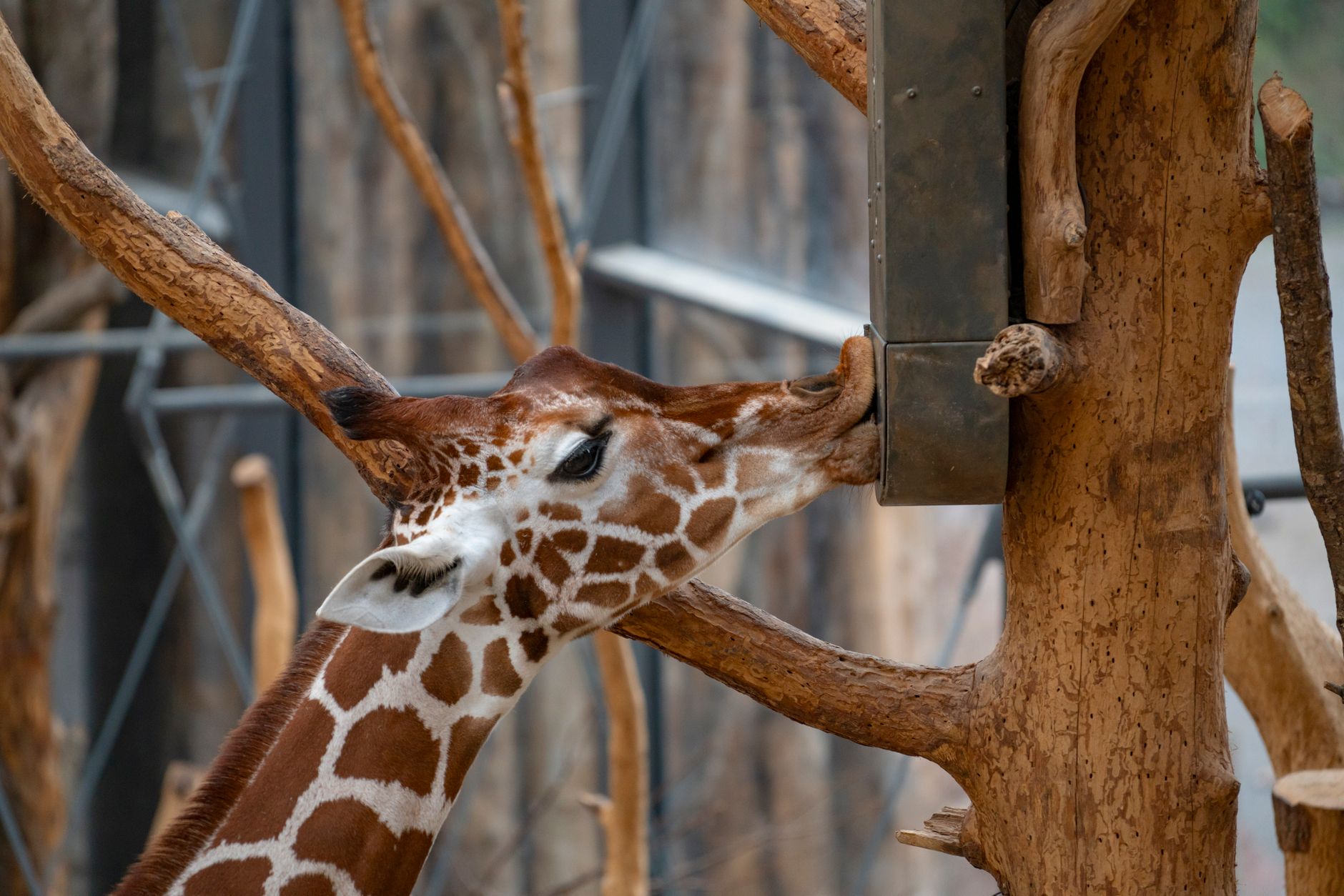
Why Do Giraffes Lick the Wall? Decoding a Curious Behavior
Giraffes licking walls is a behavior primarily driven by a mineral deficiency, particularly sodium, and the instinctive drive to supplement their diet with essential nutrients.

Giraffes, those majestic giants of the African savanna, often exhibit a peculiar behavior in captivity: they lick walls. This isn’t just random exploration; it’s a sign pointing to a more profound need. Understanding why do giraffes lick the wall? requires examining their natural diet, their physiological needs, and the differences between their wild and captive environments.
The Giraffe’s Natural Diet and Mineral Needs
In the wild, giraffes primarily browse on the leaves of acacia trees. While acacia leaves provide some nutrients, they often lack sufficient quantities of essential minerals, most notably sodium. Giraffes, like all animals, require sodium for various bodily functions, including nerve impulse transmission, muscle function, and maintaining fluid balance.
- Sodium is crucial for:
- Maintaining healthy blood pressure
- Regulating water balance
- Supporting proper nerve function
The Role of Geophagy: Nature’s Supplement

Giraffes and many other herbivores exhibit a behavior called geophagy, which involves consuming soil or other earthy substances. This behavior is often driven by the need to supplement their diet with minerals lacking in their primary food sources. The soil can contain trace minerals and even bind toxins, effectively detoxifying the animal. Captive giraffes often lack access to suitable natural sources of these minerals.
Why Walls? The Captivity Conundrum
In captivity, giraffes don’t have the same access to varied plant life and mineral-rich soils as their wild counterparts. Walls, particularly those made of concrete or plaster, often contain trace amounts of minerals, including sodium and calcium. The porous nature of these materials can also trap moisture, further concentrating these minerals. Therefore, why do giraffes lick the wall? The answer lies in a desperate attempt to compensate for dietary deficiencies. The licking behavior is therefore, a sign of:
- Lack of access to natural mineral sources.
- Potential mineral deficiencies in their captive diet.
- Instinctive behavior to seek out missing nutrients.
Addressing the Issue: Improving Giraffe Diets
Addressing this licking behavior requires careful attention to the giraffe’s diet in captivity. Zookeepers and animal care professionals must ensure that the animals receive a balanced diet that meets all their nutritional needs. This can involve:
- Providing mineral supplements in their food.
- Offering salt licks specifically formulated for giraffes.
- Ensuring access to a variety of browse materials.
- Analyzing blood samples to detect and address specific mineral deficiencies.
Common Mistakes in Giraffe Care
Several common mistakes can contribute to mineral deficiencies and wall-licking behavior in captive giraffes:

- Relying solely on commercially prepared feeds: These feeds may not always provide all the necessary minerals in sufficient quantities.
- Failing to provide a variety of browse materials: Offering a wider range of plants can help meet nutritional needs.
- Ignoring signs of mineral deficiency: Early detection and intervention are crucial.
- Lack of regular blood testing: Blood tests can identify deficiencies before they become severe.
Frequently Asked Questions
Why do giraffes in the wild rarely lick walls?
Giraffes in the wild have access to a greater variety of natural food sources and mineral-rich soils. The natural environment usually provides the necessary nutrients that help meet their needs. This constant access reduces the need to seek out minerals from artificial sources.
Is wall-licking harmful to giraffes?
While licking walls might provide some temporary relief from mineral deficiencies, it can also be harmful. Ingesting concrete or plaster can lead to digestive problems or even toxicity. Additionally, the behavior itself can become obsessive and cause dental wear.
What specific minerals are giraffes most likely deficient in?
Sodium is the most common mineral deficiency in captive giraffes, but they can also be deficient in calcium, phosphorus, and other trace minerals.
How can zookeepers determine if a giraffe has a mineral deficiency?
Zookeepers can conduct blood tests to measure mineral levels and monitor the animal’s overall health. Observing behavior, such as wall-licking, can also be an indicator.
Are there any other reasons why a giraffe might lick a wall besides mineral deficiency?
While mineral deficiency is the primary reason, boredom or stress could also contribute to this behavior in some cases, though those are less likely. The licking can become a displacement activity.
How often should giraffes receive mineral supplements?
The frequency and dosage of mineral supplements depend on the individual giraffe’s needs and diet. Regular monitoring and consultation with a veterinarian are crucial.
Can providing salt licks solve the problem of wall-licking?
Salt licks can be helpful in addressing sodium deficiency, but they may not provide all the necessary minerals. A balanced diet is still essential.
What types of walls are most likely to be licked by giraffes?
Walls made of concrete or plaster are more likely to be licked due to their mineral content and porous texture.
Does wall-licking affect the giraffe’s teeth?
Yes, prolonged wall-licking can cause dental wear and erosion due to the abrasive nature of the materials.
How do zookeepers prevent giraffes from licking the walls of their enclosure?
Besides adjusting their diet, zookeepers might use physical barriers or deterrents to prevent wall-licking, while addressing the underlying nutritional deficiencies.
Is wall licking more common in young or old giraffes?
Wall licking can occur at any age, but young giraffes may be more prone to it due to their higher mineral requirements for growth.
What is the long-term impact of chronic mineral deficiency on a giraffe’s health?
Chronic mineral deficiency can lead to a range of health problems, including weakened bones, impaired immune function, and reproductive issues.