

What is the Nicest and Calmest Dog Breed?
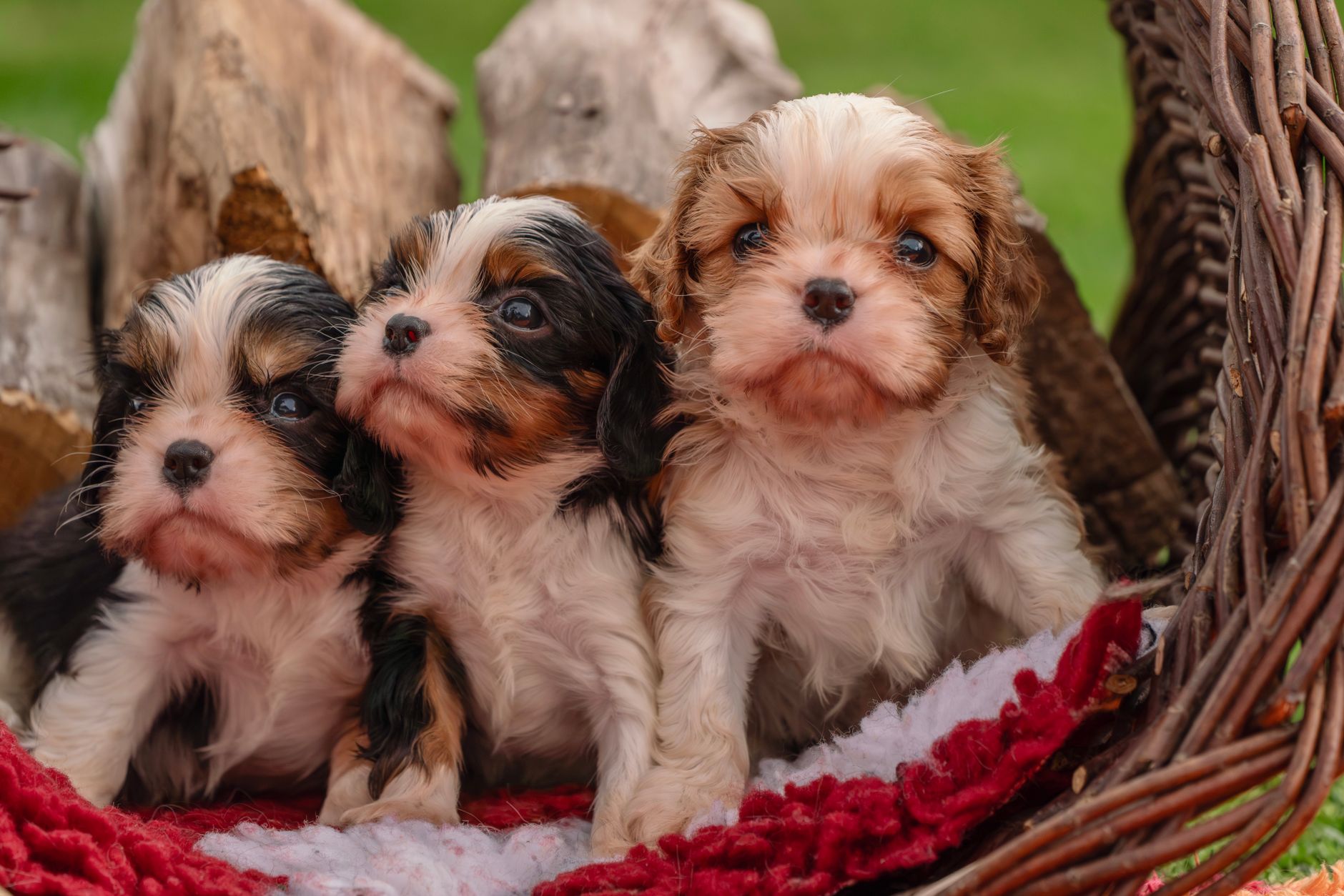
The Cavalier King Charles Spaniel is widely considered the nicest and calmest dog breed, known for their gentle temperament, affectionate nature, and adaptability to various lifestyles, making them ideal companions for families, seniors, and first-time dog owners.
Understanding the Concept of Niceness and Calmness in Dogs
Defining the “nicest and calmest dog breed” requires considering multiple factors. “Niceness” typically refers to a dog’s friendliness towards strangers, children, and other animals. “Calmness” indicates a low-energy level, minimal barking, and an ability to relax and be content. These traits are often influenced by genetics, training, and socialization. While breed predispositions exist, individual personalities can vary significantly. Therefore, researching specific breeders and meeting the dog before adoption is crucial.
The Appeal of Calm and Gentle Dogs
There are numerous benefits to choosing a calm and gentle dog. These dogs are often:
- Easier to train: Their placid nature makes them more receptive to commands.
- Suitable for apartment living: Lower energy levels mean less need for extensive outdoor space.
- Great with children: Their patience and tolerance make them excellent family pets.
- Therapeutic: Many calm breeds are used as therapy dogs due to their soothing presence.
- Low maintenance (exercise wise): While all dogs need exercise, calmer breeds typically require less rigorous activity.
Top Contenders for the Nicest and Calmest Dog Breed
While the Cavalier King Charles Spaniel is often cited as a top contender, several other breeds also possess qualities that make them exceptionally nice and calm. Here’s a look at some of the strongest candidates:
- Cavalier King Charles Spaniel: Affectionate, adaptable, and good with children.
- Basset Hound: Relaxed, gentle, and patient.
- Newfoundland: Docile, friendly, and protective.
- French Bulldog: Playful yet relatively calm, and adaptable to apartment living.
- Greyhound: Surprisingly laid-back and gentle, despite their racing history.
- Golden Retriever: Known for its gentle and playful nature.
The Importance of Early Socialization and Training
Regardless of breed, early socialization and training are critical for developing a well-adjusted and calm dog. Exposing puppies to various sights, sounds, people, and other animals helps them become confident and less reactive as adults. Positive reinforcement training techniques are particularly effective for calm breeds, as they respond well to gentle guidance and rewards.
Factors to Consider When Choosing a Calm Dog
Choosing the right breed for your lifestyle involves careful consideration. Ask yourself:
- How much time can I dedicate to daily walks and playtime?
- Do I have children or other pets in the household?
- What is my living situation (apartment vs. house)?
- What are my expectations for the dog’s role in my life (companion, therapy dog, etc.)?
- Am I prepared to commit to training and socialization?
FAQ
What is the nicest and calmest dog breed that is hypoallergenic?

Unfortunately, truly hypoallergenic dogs don’t exist, but some breeds produce less dander, a common allergen. Poodles and Bichon Frises are often cited as better options for allergy sufferers, and they can be naturally calm, but their intelligence also requires consistent mental stimulation. A Miniature Poodle could be a good medium-sized option for calm and lower-dander.
Are small dogs inherently calmer than large dogs?
Not necessarily. While some smaller breeds like the Cavalier King Charles Spaniel are known for their calmness, many small dogs, such as Jack Russell Terriers, can be highly energetic. Breed plays a more significant role than size alone. Large dogs such as Newfoundlands are renowned for their gentle nature.
How much exercise does a calm dog breed need?
Even calm dog breeds require regular exercise, though less than high-energy breeds. A daily walk or two, along with some playtime, is usually sufficient. Mental stimulation, such as puzzle toys, is also important to prevent boredom. Aim for at least 30 minutes of activity per day.
Is it possible to train a high-energy dog to be calmer?
Yes, it is possible to manage a high-energy dog’s temperament through consistent training and exercise. Positive reinforcement training, plenty of physical activity, and mental enrichment can help reduce excitability and promote calmness. However, it’s essential to manage expectations and understand that you may not be able to completely change their fundamental energy level.
What are the signs of anxiety in dogs?
Signs of anxiety in dogs can include excessive barking, pacing, panting, trembling, hiding, destructive behavior, and changes in appetite. If you notice these signs, consult with a veterinarian or certified dog trainer to determine the cause and develop a management plan. Early intervention is key.
How does age affect a dog’s temperament?
As dogs age, they tend to become calmer and less energetic. Senior dogs often prefer shorter walks and naps to more vigorous activities. However, health issues can also affect temperament, so it’s important to consult with a veterinarian if you notice any sudden changes in your dog’s behavior.
Can diet influence a dog’s behavior?
Yes, diet can significantly influence a dog’s behavior. A balanced, high-quality diet can help maintain stable energy levels and prevent mood swings. Conversely, a diet high in sugars or artificial additives can contribute to hyperactivity.
Are some dog breeds easier to train than others?
Yes, some dog breeds are inherently easier to train than others. Breeds like Golden Retrievers and Poodles are known for their intelligence and eagerness to please, making them relatively easy to train. Calm breeds are often easier to train than highly energetic breeds, as they are more focused and receptive to commands. Consistency is the most important aspect.
What is the role of genetics in determining a dog’s temperament?
Genetics play a significant role in determining a dog’s temperament. Certain breeds are predisposed to certain traits, such as calmness or excitability. However, it’s important to remember that genetics are not the only factor. Environmental factors, such as socialization and training, also play a crucial role.
What are some common mistakes people make when trying to raise a calm dog?
Common mistakes include:
- Not providing enough mental stimulation.
- Not providing enough physical exercise.
- Inconsistent training.
- Failing to socialize the dog early.
- Punishing the dog for exhibiting undesirable behaviors, which can lead to anxiety.
Where is the best place to find a calm and gentle dog?
Reputable breeders, animal shelters, and rescue organizations are all great places to find a calm and gentle dog. When working with a breeder, ask about the temperament of the parents and ensure that the puppies are raised in a loving and stimulating environment. Shelters and rescue organizations often have dogs of various breeds and ages, and staff can help you find a dog that matches your lifestyle.
What is the nicest and calmest dog breed for a first-time owner?
Considering all factors, the Cavalier King Charles Spaniel is an excellent choice as the nicest and calmest dog breed for a first-time owner. They are relatively easy to train, adapt well to different living situations, and are known for their affectionate and gentle nature. Golden Retrievers are another popular choice, though they are a bit more energetic than Cavaliers.