

Why Do Cats Face Plant When Sleeping? A Comprehensive Guide
Why do cats face plant when sleeping? Cats face plant when sleeping for a variety of reasons, including blocking out light and drafts, conserving body heat, seeking comfort and security, or simply finding the most comfortable position, even if it looks odd to us.

Understanding the Feline Face Plant Phenomenon
The endearing and sometimes comical behavior of cats sleeping with their faces pressed into surfaces, often referred to as “face planting,” has puzzled and amused cat owners for years. Why do cats face plant when sleeping? It turns out, there isn’t one single definitive answer, but rather a confluence of factors that contribute to this quirky habit. Understanding these factors requires delving into the evolutionary history, physiological needs, and behavioral quirks of our feline companions.

Is distilled water good for goldfish?
What colours are fish most attracted to?
Can you put your finger in a trout's mouth?
Is methylene blue anti bacterial?
Blocking Out Light and Environmental Factors
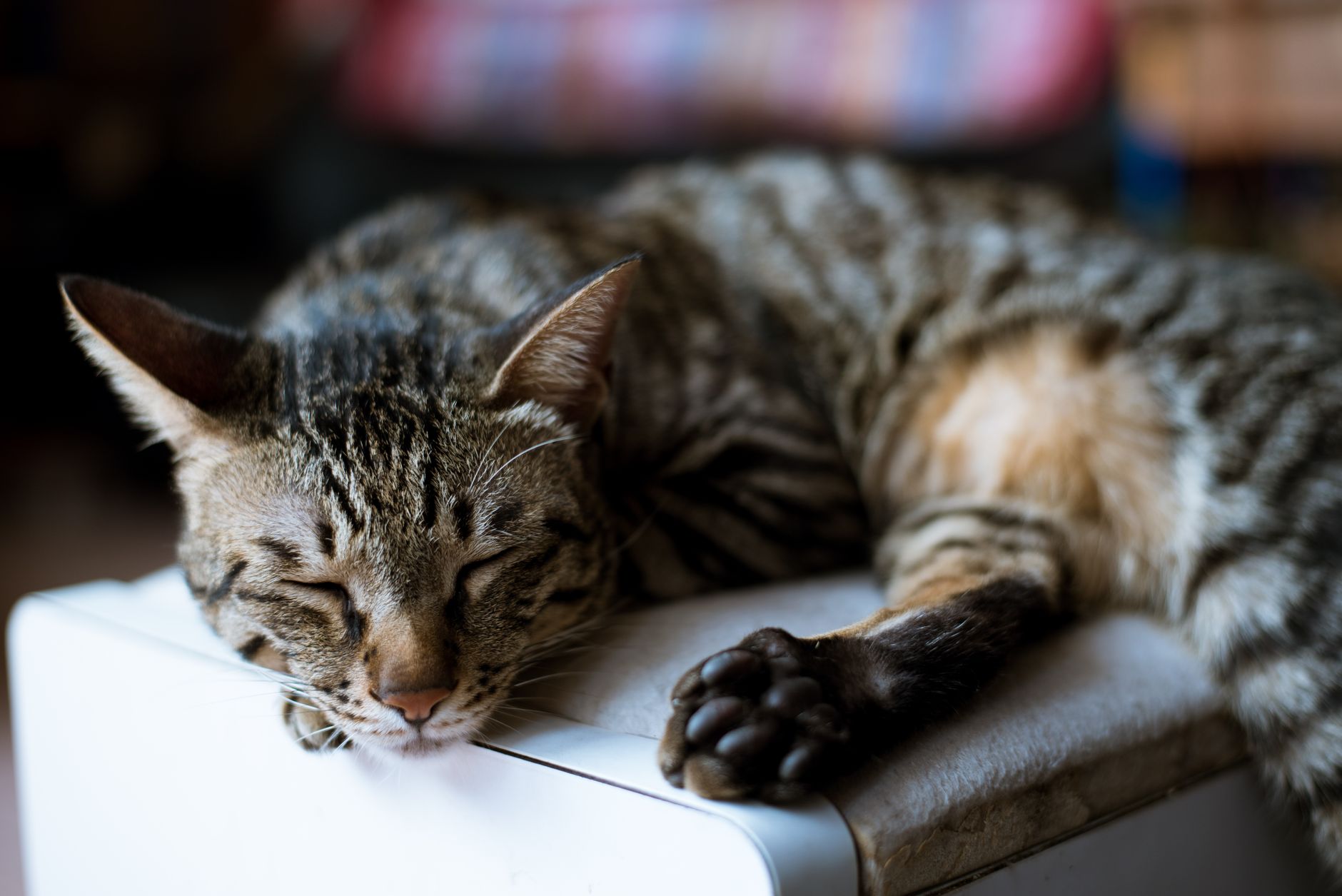
One of the most prevalent theories behind feline face planting is related to light sensitivity. Cats possess a tapetum lucidum, a reflective layer behind the retina that enhances their night vision. While this is advantageous in low-light conditions, it also makes them more sensitive to bright light.
- Blocking Light: By pressing their faces into a surface, cats can effectively shield their eyes from irritating light sources, ensuring a deeper and more restful sleep.
- Draft Protection: Face planting can also serve as a barrier against drafts, particularly in colder environments. Cats are meticulous about maintaining their body temperature, and this position helps to minimize heat loss.
Seeking Comfort and Security
Beyond environmental factors, psychological comfort also plays a significant role. For a species that is simultaneously predator and prey, feeling secure and protected while sleeping is paramount.
- Sense of Security: Pressing their face against a soft object or even another animal provides a sense of security and containment, mimicking the feeling of being nestled amongst their littermates.
- Anxiety Relief: In some cases, face planting may be a manifestation of anxiety or stress. The pressure against their face can be soothing and provide a sense of grounding. It’s essential to observe the cat’s overall behavior to distinguish between a normal sleeping habit and a sign of underlying anxiety.
The Search for the Perfect Sleeping Position
Sometimes, the answer is simply that a cat finds the face-plant position comfortable, regardless of how strange it may appear to humans. Cats are remarkably flexible and often contort themselves into positions that seem impossible.
- Optimal Head Support: The position might provide the best support for their head and neck, alleviating any strain.
- Body Temperature Regulation: Face planting can also help regulate body temperature by pressing their face against a cool surface in warm weather or retaining heat in colder temperatures.
When Face Planting Might Indicate a Problem
While generally harmless, there are instances where face planting may be a symptom of an underlying health issue. It’s crucial to be aware of these possibilities and seek veterinary attention if necessary.
- Headache or Sinus Pressure: Rarely, face planting could be a sign of discomfort due to a headache or sinus pressure.
- Neurological Issues: In very rare cases, persistent and unusual face planting behavior, especially if accompanied by other neurological symptoms, could indicate a neurological problem.
Distinguishing Normal Behavior from Concerning Symptoms
It’s important to differentiate between typical face-planting behavior and potential signs of distress or illness. Consider the following factors:
- Frequency: Is the cat face planting frequently or only occasionally?
- Duration: How long does the cat typically stay in this position?
- Other Symptoms: Are there any other symptoms, such as lethargy, loss of appetite, sneezing, or discharge from the eyes or nose?
Table: Distinguishing Normal Face Planting from Concerning Symptoms
| Feature | Normal Face Planting | Potentially Concerning Face Planting |
|---|---|---|
| Frequency | Occasional | Frequent and increasing |
| Duration | Short to moderate | Prolonged and persistent |
| Other Symptoms | None | Lethargy, loss of appetite, sneezing, discharge from eyes/nose, neurological signs |
| General Behavior | Normal, playful, and active | Changes in behavior, withdrawal, aggression |
Frequently Asked Questions
Why do cats face plant when sleeping, and is it always normal behavior?
No, while face planting is often normal behavior, driven by factors such as light sensitivity, comfort, and security, it’s crucial to observe your cat for any accompanying symptoms that could indicate an underlying health issue.
Is face planting more common in certain cat breeds?
There is no specific evidence to suggest that face planting is more prevalent in certain cat breeds. However, personality and individual preferences likely play a more significant role than breed.
Should I be concerned if my kitten starts face planting?
In general, no. Kittens often engage in this behavior as they explore their environment and seek comfort. It’s a normal part of their development, but as always, monitor for other symptoms.
Could environmental factors like temperature affect face planting behavior?
Yes, temperature definitely plays a role. Cats may face plant to either shield themselves from drafts in cold environments or seek a cool surface in warm weather.
Can face planting be a sign of anxiety or stress in cats?
Yes, in some cases, face planting may indicate anxiety or stress. Look for other signs of distress, such as hiding, hissing, or changes in appetite.
How can I make my cat feel more secure without them having to face plant?
Provide your cat with a safe, comfortable, and quiet sleeping environment. A cozy bed in a secluded area can help them feel secure without resorting to face planting.
What if my cat is face planting aggressively or seems uncomfortable?
If your cat seems uncomfortable or distressed while face planting, consult with your veterinarian. It’s essential to rule out any potential medical issues.
Is it possible my cat is just being silly when face planting?
Absolutely! Cats are often quirky and eccentric creatures. Sometimes, the most straightforward explanation is that they find it comfortable or simply enjoy the sensation.
How can I prevent my cat from face planting if I find it concerning?
You can’t necessarily prevent it entirely, but you can provide alternative comfortable sleeping arrangements. Ensure the room is dark and at a comfortable temperature.
What are some other common sleeping positions for cats, and what do they signify?
Cats sleep in various positions, including curled up in a ball (conserving heat), sprawled out on their back (feeling secure), and loafing (resting but alert). Each position often correlates with their mood and environmental conditions.
Are there any toys or accessories that can help reduce face planting?
While no toy directly stops face planting, providing plenty of soft, cozy blankets and beds can give them alternative comfortable positions. Consider heated beds in the winter.
What should I tell my veterinarian if I’m concerned about my cat’s face planting behavior?
Inform your veterinarian about the frequency, duration, and any other accompanying symptoms. This information will help them determine if further investigation is needed.