

Why Crocodiles Don’t Regularly Eat Hippos: A Delicate Balance of Power
The reason crocodiles rarely prey on hippos boils down to a complex interplay of size, temperament, habitat overlap, and the risk involved. It’s generally accepted that while conflicts happen, crocodiles, particularly larger species, prefer safer, easier prey.

Introduction: A Giant Coexistence
The African savanna is a landscape of stark contrasts, where the mightiest predators coexist alongside some of the largest herbivores on the planet. Among these, the Nile crocodile and the hippopotamus share the same aquatic habitats, leading to a question that has puzzled many: Why crocodiles don’t eat hippos? While the answer may seem simple at first glance – size difference – a deeper dive reveals a more intricate and fascinating relationship.

What is the GREY African clawed frog?
Is distilled water good for goldfish?
What colours are fish most attracted to?
Can you put your finger in a trout's mouth?
The Hippo: A Force to Be Reckoned With
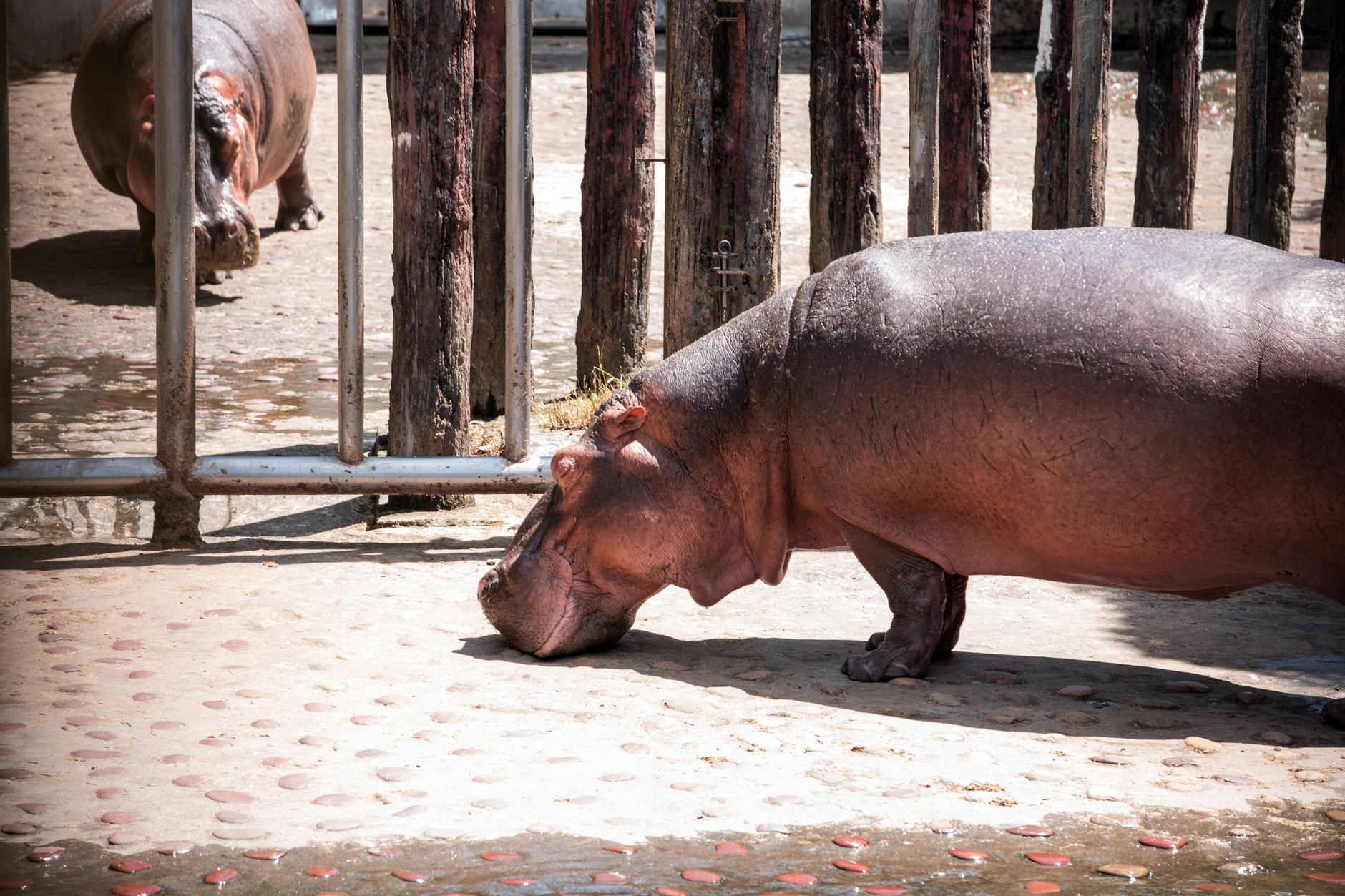
Hippos, short for hippopotamus amphibius, are semi-aquatic mammals native to Africa. They’re known for several key characteristics that make them challenging prey:
- Size and Strength: Adult hippos can weigh between 1,500 and 4,500 kg (3,300 and 9,900 lbs). This sheer bulk makes them a formidable opponent.
- Aggression: Hippos are notoriously aggressive, especially when defending their territory or young. They’re considered one of the most dangerous animals in Africa, even killing more humans than lions.
- Powerful Jaws and Teeth: Hippos possess large, sharp canine teeth and incisors that they use for fighting. Their bite force is estimated to be incredibly strong.
The Crocodile: An Opportunistic Predator
Nile crocodiles, Crocodylus niloticus, are apex predators in African waterways. Their predatory strategies are primarily based on ambush and opportunistic hunting. Key aspects of their hunting behavior include:
- Ambush Predator: Crocodiles lie in wait, submerged in water, and strike quickly at unsuspecting prey.
- Opportunistic Diet: They consume a wide range of animals, including fish, birds, mammals, and reptiles.
- Powerful Bite: Crocodiles have an incredibly strong bite force, allowing them to crush bones and secure their prey.
The Risk-Reward Ratio: Why Hippos Aren’t Worth It
The primary reason Why crocodiles don’t eat hippos? is the disproportionate risk compared to the potential reward. Attempting to take down a healthy adult hippo carries a high risk of serious injury or even death for the crocodile.
- Defense: Hippos fiercely defend themselves and their young. A single bite from a hippo can easily crush a crocodile’s skull or sever a limb.
- Social Behavior: Hippos often live in pods, which can consist of dozens of individuals. Attacking a hippo near its pod invites a coordinated and devastating response from the entire group.
- Energy Expenditure: Successfully hunting a large hippo would require significant energy expenditure from the crocodile. This energy might be better spent pursuing smaller, easier prey.
Exceptions to the Rule: Vulnerable Hippos
While healthy adult hippos are rarely targeted, crocodiles may prey on vulnerable individuals:
- Young Hippos (Calves): Calves are more susceptible to crocodile attacks due to their smaller size and lack of experience.
- Sick or Injured Hippos: Hippos weakened by illness or injury are easier targets.
- Hippos Separated from the Pod: Isolated hippos are more vulnerable to attack, as they lack the protection of their group.
Habitat Overlap and Conflict
Despite the general avoidance, encounters between crocodiles and hippos do occur. These encounters are often territorial disputes or involve competition for resources.
- Territoriality: Hippos and crocodiles may clash over access to basking spots or prime hunting locations.
- Accidental Contact: Sometimes, confrontations happen accidentally, such as when a hippo steps on a crocodile or a crocodile swims too close to a hippo.
A Comparison of Key Attributes
The following table presents a concise comparison of key attributes to help understand Why crocodiles don’t eat hippos?:
| Feature | Hippo | Crocodile |
|---|---|---|
| Size | Very Large (1,500 – 4,500 kg) | Large (200 – 1,000 kg) |
| Temperament | Aggressive, Territorial | Ambush Predator, Opportunistic |
| Defense | Powerful Bite, Group Defense | Powerful Bite |
| Risk of Injury | High for Crocodile | Variable, Depends on Prey |
| Preferred Prey | Herbivorous (Grass) | Fish, Birds, Mammals, Reptiles |
Frequently Asked Questions (FAQs)
Why do some videos show crocodiles attacking hippos?
These videos often depict either: A) attacks on very young or already weakened hippos or B) territorial disputes where the crocodile is not necessarily trying to kill the hippo, but rather defend its space. Attacks on healthy adult hippos are rarely successful and often result in injury or death for the crocodile.
Are there any known instances of a crocodile killing a healthy adult hippo?
Verified reports of a single crocodile killing a healthy adult hippo are extremely rare. Most documented cases involve multiple crocodiles attacking a weakened or isolated hippo. The sheer size and power of a healthy adult hippo make it a very difficult and dangerous target for a single crocodile.
Do crocodiles ever scavenge on dead hippos?
Yes. Crocodiles are opportunistic feeders and will readily scavenge on carcasses of dead animals, including hippos. This is a much safer and easier way for a crocodile to obtain a large meal.
Are baby hippos always safe from crocodiles?
No. Baby hippos (calves) are more vulnerable to crocodile attacks than adult hippos. Their smaller size and lack of experience make them easier targets. However, the mother hippo will fiercely defend her calf, making it a risky endeavor even for a large crocodile.
What is the biggest threat to hippos?
The biggest threats to hippos are: habitat loss due to human encroachment, poaching for their meat and ivory, and drought impacting their access to food and water.
Do hippos ever attack crocodiles?
Yes. Hippos are known to attack crocodiles, particularly if they feel threatened or if the crocodile is perceived as a threat to their young. Hippo attacks on crocodiles can be fatal.
Do crocodiles and hippos compete for resources?
While they share the same aquatic habitat, they generally don’t compete directly for food. Crocodiles primarily eat meat, while hippos are herbivores. They may compete for basking spots or territorial areas within the water.
How do crocodiles benefit from the presence of hippos?
Crocodiles can indirectly benefit from the presence of hippos. Hippos create wallows and channels that provide habitat for fish and other aquatic animals, which crocodiles then prey upon. Also, as previously mentioned, crocodiles will scavenge on deceased hippos.
What size crocodile would be needed to pose a threat to a healthy adult hippo?
Even the largest Nile crocodiles (reaching lengths of 5-6 meters) would still face a significant challenge in taking down a healthy adult hippo alone. The risk of injury is too high.
Is there any symbiosis between crocodiles and hippos?
There is no direct symbiosis, but there is an indirect relationship. Certain birds will sometimes feed on parasites on the skin of both hippos and crocodiles. However, this is not a mutually beneficial relationship initiated or controlled by either the hippo or crocodile.
Does the type of crocodile matter? For example, is a saltwater crocodile more likely to attack a hippo than a Nile crocodile?
Saltwater crocodiles are primarily found in Australia and Southeast Asia, while Nile crocodiles are found in Africa. Because their ranges do not overlap, saltwater crocodiles would never encounter a hippo. Assuming they did, a similarly sized saltwater crocodile may be marginally more aggressive, but the same risk/reward ratio would apply.
What is the evolutionary reason why crocodiles don’t regularly prey on hippos?
Over evolutionary time, crocodiles that regularly targeted hippos would have faced a high risk of injury or death, resulting in lower reproductive success. Crocodiles that focused on safer, more manageable prey would have had a higher chance of survival and passing on their genes. This is Why crocodiles don’t eat hippos?; it’s a matter of natural selection favoring opportunistic, low-risk predation strategies.