
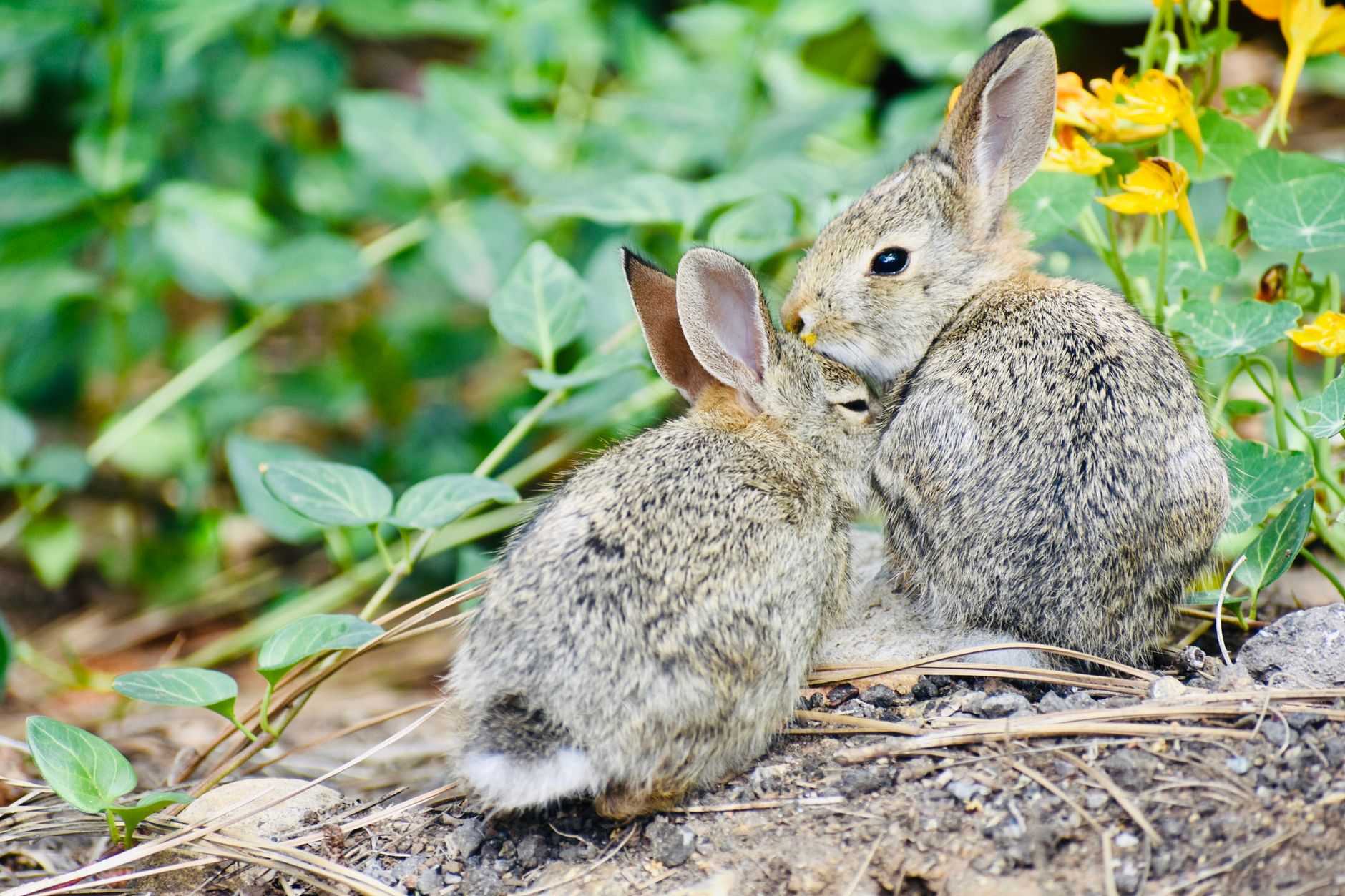
Why Are Rabbits Such a Problem? Understanding the Impacts of Overpopulation
Rabbits are a problem because their rapid reproduction, voracious appetites, and burrowing behavior can lead to devastating ecological damage, agricultural losses, and infrastructure instability. This article explores the multifaceted reasons why are rabbits a problem in various environments around the world.

Introduction: The Seemingly Innocent Lagomorph
Rabbits, with their fluffy tails and twitching noses, often evoke feelings of cuteness and harmlessness. However, beneath this endearing exterior lies a powerful ecological force that, when unchecked, can wreak havoc on ecosystems, agricultural lands, and even human-made structures. The rapid proliferation of rabbits, particularly in introduced environments where natural predators are scarce, has transformed them from a beloved creature into a significant pest. Why are rabbits a problem? The answer is complex and intertwined with their biology, behavior, and the ecosystems they inhabit.

Is distilled water good for goldfish?
What colours are fish most attracted to?
Can you put your finger in a trout's mouth?
Is methylene blue anti bacterial?
Ecological Impacts: The Price of Unchecked Growth

The most significant impacts of rabbit overpopulation are felt within natural ecosystems. Native vegetation, already struggling with climate change and habitat loss, faces intense pressure from rabbit grazing.
- Vegetation Depletion: Rabbits consume a wide range of plants, often targeting seedlings and young shoots, hindering regeneration and leading to the decline of native plant species.
- Soil Erosion: The combination of overgrazing and burrowing destabilizes soil, increasing erosion rates, particularly in sensitive areas like riverbanks and slopes.
- Competition with Native Species: Rabbits compete with native herbivores for food and habitat, potentially pushing vulnerable species towards extinction.
- Altered Ecosystem Structure: Changes in vegetation composition due to selective grazing can fundamentally alter ecosystem structure, impacting other animal populations that rely on those plants.
Agricultural Damage: A Costly Pest
The agricultural sector bears a heavy economic burden due to rabbit damage. Crop losses, damage to orchards, and grazing on pastures are common complaints from farmers.
- Direct Crop Consumption: Rabbits directly consume crops like vegetables, grains, and fruit, leading to significant yield reductions.
- Damage to Seedlings and Young Plants: Similar to their impact on native vegetation, rabbits target vulnerable seedlings, hindering crop establishment.
- Bark Stripping of Trees: In orchards and vineyards, rabbits can strip the bark from trees, causing girdling and potentially killing the trees.
- Contamination of Produce: Rabbit droppings can contaminate produce, posing a risk to human health and requiring costly sanitation measures.
Infrastructure Instability: Beneath the Surface
Beyond ecological and agricultural impacts, rabbits also pose a threat to infrastructure through their burrowing activities.
- Damage to Underground Cables and Pipes: Rabbit burrows can damage underground cables, pipelines, and irrigation systems, leading to service disruptions and costly repairs.
- Weakening of Building Foundations: Burrowing under buildings and other structures can compromise their foundations, leading to instability and potential collapse.
- Road and Railway Damage: Rabbit burrows can undermine roads and railway lines, creating hazards for transportation.
- Increased Flood Risk: By destabilizing soil and obstructing drainage channels, rabbit burrows can exacerbate flood risk.
Control Measures: A Multi-Pronged Approach
Managing rabbit populations effectively requires a combination of control measures tailored to the specific environment and the severity of the problem.
- Biological Control: Introducing diseases like myxomatosis and rabbit hemorrhagic disease (RHD) has proven effective in reducing rabbit populations, but concerns remain about long-term impacts and potential resistance.
- Trapping and Shooting: Trapping and shooting can be effective in targeted areas, but they are labor-intensive and often unsustainable in the long run.
- Habitat Modification: Removing rabbit harbor, such as piles of brush and dense vegetation, can reduce their numbers by limiting shelter and food sources.
- Fencing: Fencing can be used to protect vulnerable areas, such as gardens, orchards, and newly planted forests, from rabbit grazing.
The Australian Example: A Cautionary Tale
Australia provides a stark example of the devastating consequences of uncontrolled rabbit populations. Introduced in the 19th century, rabbits quickly spread across the continent, causing widespread ecological damage and agricultural losses. The Australian experience highlights the importance of proactive biosecurity measures and effective rabbit control strategies to prevent similar problems from arising in other regions. This case study serves as a crucial reminder of why are rabbits a problem when they become invasive.
Table: Comparison of Rabbit Control Methods
| Control Method | Advantages | Disadvantages |
|---|---|---|
| Biological Control | Highly effective in reducing rabbit populations | Potential for resistance; ecosystem impacts |
| Trapping and Shooting | Targeted and relatively humane | Labor-intensive; unsustainable in the long run |
| Habitat Modification | Environmentally friendly | Can be time-consuming; may not be fully effective |
| Fencing | Effective protection of vulnerable areas | Expensive; can be visually unappealing |
FAQs: Deep Dive into Rabbit Problems
Why are rabbits considered a pest?
Rabbits are considered a pest primarily due to their rapid reproduction and destructive feeding habits. Their ability to quickly populate an area and consume large quantities of vegetation makes them a significant threat to agriculture, ecosystems, and infrastructure.
What is the average lifespan of a wild rabbit?
The average lifespan of a wild rabbit is surprisingly short, typically ranging from one to two years. High mortality rates are due to predation, disease, and accidents. Captive rabbits, on the other hand, can live for eight to twelve years.
Are all rabbit species equally problematic?
No, not all rabbit species are equally problematic. The most significant issues arise from introduced rabbit species in regions where they lack natural predators. Native rabbit species are typically integrated into the ecosystem and kept in check by natural population controls.
How do rabbits contribute to soil erosion?
Rabbits contribute to soil erosion through a combination of overgrazing and burrowing activities. Overgrazing removes vegetation cover, leaving the soil exposed to wind and water erosion. Burrowing destabilizes the soil structure, further increasing its susceptibility to erosion.
What are some signs of rabbit damage in a garden?
Signs of rabbit damage in a garden include gnawed stems, eaten leaves, clipped-off flowers, and the presence of small, round droppings. Rabbits often target young plants and seedlings.
What are the most effective ways to deter rabbits from a garden?
Effective methods for deterring rabbits from a garden include fencing, repellents, and noise deterrents. Fencing is the most reliable option, while repellents and noise deterrents can provide temporary relief.
Are there any natural predators of rabbits?
Yes, rabbits have numerous natural predators, including foxes, coyotes, hawks, owls, and snakes. The presence of these predators helps to regulate rabbit populations in their native habitats.
What is myxomatosis, and how does it affect rabbits?
Myxomatosis is a highly contagious viral disease that affects rabbits. It causes swelling, lesions, and often death. While it can effectively reduce rabbit populations, concerns remain about its long-term impacts and the development of resistance.
How can I tell the difference between rabbit droppings and other animal droppings?
Rabbit droppings are typically small, round, and brown, resembling small peas. They are often found in clusters near areas where rabbits are feeding or resting.
What is the role of rabbit hemorrhagic disease (RHD)?
Rabbit hemorrhagic disease (RHD) is another highly contagious viral disease affecting rabbits. Like myxomatosis, it can cause significant mortality and is used as a biological control agent in some regions.
Is it legal to trap rabbits in my backyard?
The legality of trapping rabbits in your backyard depends on local regulations and ordinances. It is essential to check with your local authorities to determine whether trapping is permitted and if any permits are required.
What can be done to prevent rabbit problems in the long term?
Preventing rabbit problems in the long term requires a multi-faceted approach that includes habitat management, predator conservation, and responsible pet ownership. Preventing the introduction of rabbits into new areas is also crucial. Understanding why are rabbits a problem and implementing appropriate control measures is critical to minimizing their negative impacts on the environment and economy.