
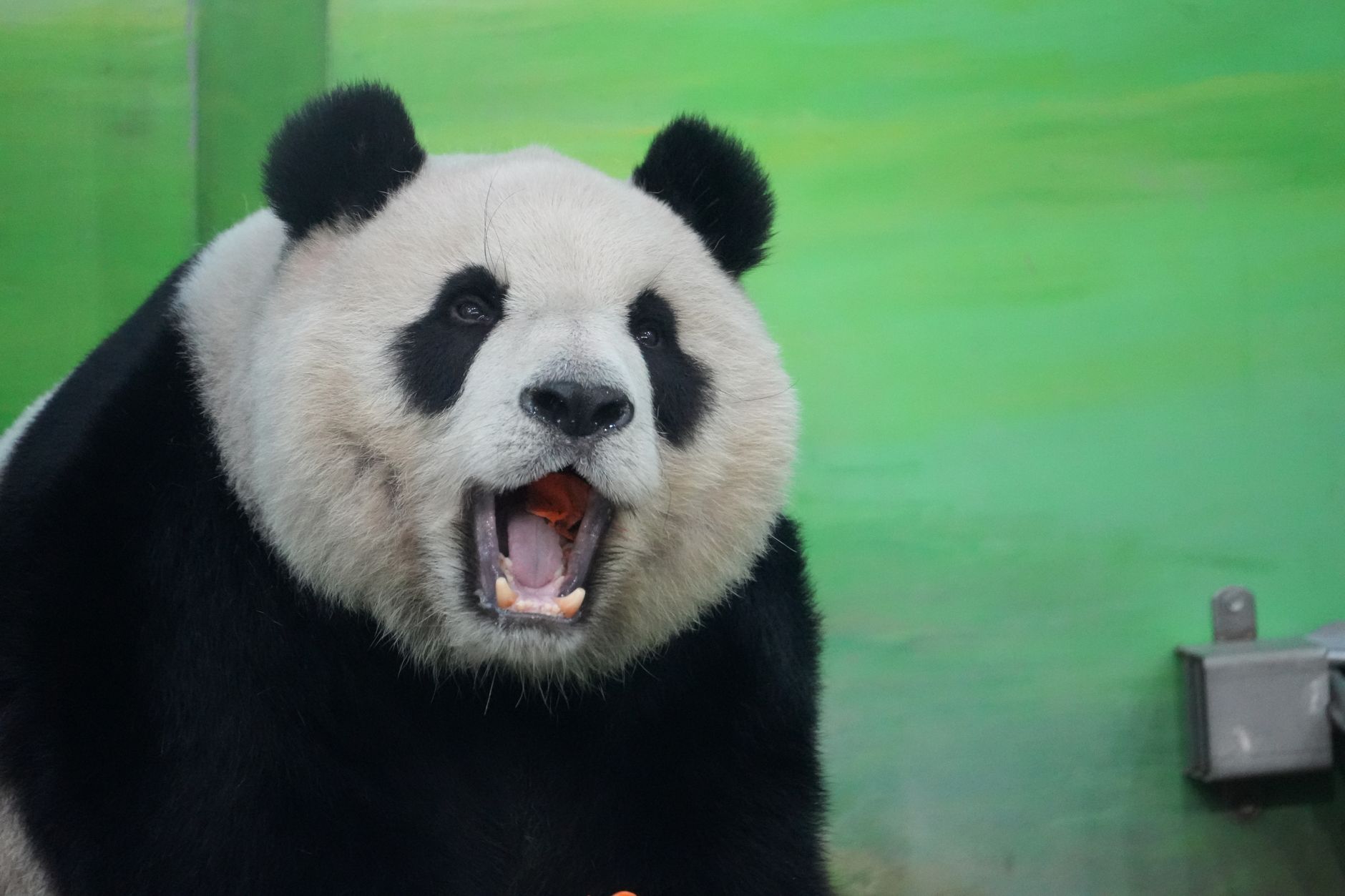
Why Are Pandas Not Aggressive? A Deep Dive into Giant Panda Temperament
The lack of aggression in giant pandas is primarily due to their specialized diet, solitary lifestyle, and evolutionary adaptations that prioritize resource conservation over territorial defense. This unique combination of factors has shaped their behavior, making them remarkably docile despite their size.

Introduction: The Gentle Giant
The giant panda, Ailuropoda melanoleuca, is an iconic symbol of conservation efforts and a beloved creature worldwide. Known for their striking black and white markings and seemingly clumsy movements, they are often perceived as gentle giants. While capable of aggression, particularly when threatened or protecting their young, pandas are generally not aggressive animals. This contrasts sharply with other bear species, raising the question: Why are pandas not aggressive? Understanding their behavior requires exploring their unique ecological niche, dietary habits, and evolutionary history.
Is distilled water good for goldfish?
What colours are fish most attracted to?
Can you put your finger in a trout's mouth?
Is methylene blue anti bacterial?
The Bamboo Diet: Fueling Docility
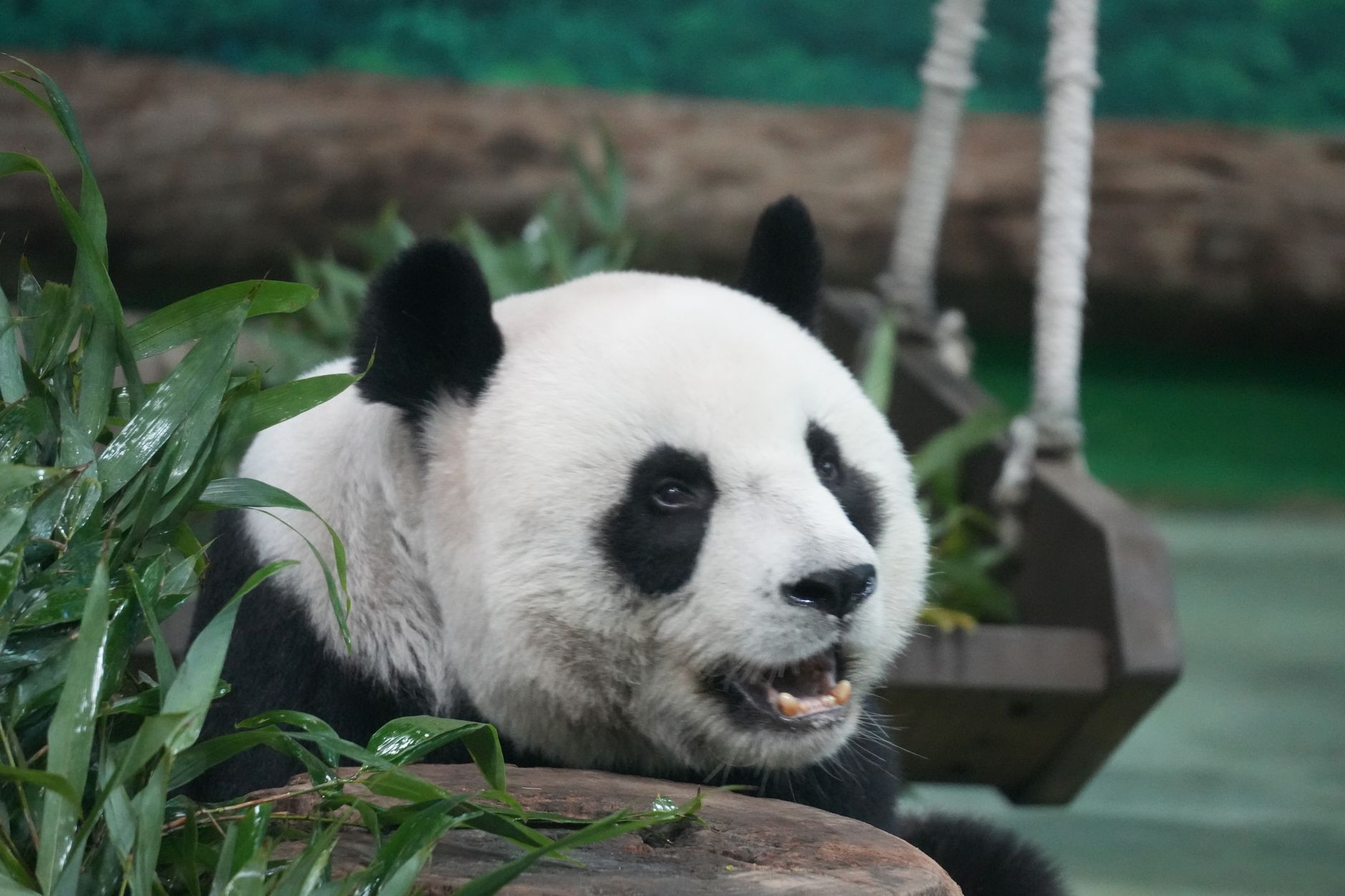
One of the primary reasons why are pandas not aggressive? lies in their specialized diet. Pandas almost exclusively eat bamboo, a low-calorie and nutrient-poor food source.
-
Low Energy Budget: The limited nutritional value of bamboo forces pandas to conserve energy. Aggressive behavior requires significant caloric expenditure, which they can ill afford.
-
Limited Competition: Bamboo is not a highly sought-after food source by other animals in their habitat, reducing competition and the need for aggressive territorial defense.
-
Slow Metabolism: Pandas have evolved a remarkably slow metabolism to maximize the efficiency of their bamboo diet. This sluggish metabolism further reduces the energy available for aggressive displays.
Solitary Lifestyle: Minimal Interaction, Minimal Conflict
Giant pandas are primarily solitary creatures, except during mating season and when mothers are raising cubs. This solitary existence significantly reduces the opportunities for conflict and the need for aggressive behavior.
-
Reduced Territorial Disputes: With minimal interaction between individuals, there is less competition for resources and territory, diminishing the need for aggression.
-
Individual Foraging: Pandas forage for bamboo alone, further minimizing potential encounters with other pandas.
-
Limited Social Hierarchy: Unlike some social animals with complex dominance hierarchies that can lead to aggression, pandas lack a strict social structure that necessitates displays of dominance.
Evolutionary Adaptations: Prioritizing Conservation
Evolution has played a critical role in shaping the non-aggressive nature of giant pandas. Certain evolutionary adaptations have fostered a temperament geared towards resource conservation and minimal conflict.
-
Specialized Dentition: While possessing powerful jaws capable of crushing bamboo, their teeth are not particularly well-suited for tearing flesh or inflicting serious wounds, suggesting an evolutionary history focused on plant consumption.
-
Passive Defense Mechanisms: Rather than engaging in aggressive confrontations, pandas tend to avoid conflict whenever possible, relying on their size and camouflage to deter potential threats.
-
Hormonal Regulation: Research suggests that pandas may have lower levels of certain hormones associated with aggression compared to other bear species, although this area requires further investigation.
Comparison with Other Bear Species
To understand why are pandas not aggressive?, it is helpful to compare them with other bear species known for their aggressive tendencies.
| Feature | Giant Panda | Grizzly Bear |
|---|---|---|
| Diet | Primarily bamboo | Omnivorous |
| Social Structure | Solitary | Variable (solitary to social) |
| Territory | Overlapping home ranges | Strictly defended |
| Energy Expenditure | Low | High |
| Aggression Level | Generally low | Potentially high |
The differences in diet, social structure, and territory management contribute significantly to the contrasting levels of aggression observed in pandas and other bear species like grizzly bears. Grizzly bears, for example, need to be more aggressive to secure food and defend their territories.
Factors Influencing Panda Aggression
While generally not aggressive, pandas are capable of aggressive behavior under certain circumstances:
- Mother Protecting Cubs: A mother panda will fiercely defend her cub against any perceived threat.
- Injury or Illness: A sick or injured panda may become aggressive out of fear and self-preservation.
- Extreme Provocation: If cornered or severely threatened, a panda may resort to aggression as a last resort.
- Captivity Stress: Captive pandas may exhibit increased aggression due to stress and lack of space.
Therefore, while pandas are not typically aggressive, it is important to treat them with respect and caution, especially in situations where they may feel threatened.
Frequently Asked Questions (FAQs)
Are pandas completely harmless?
No, pandas are not completely harmless. While generally docile, they are still large and powerful animals with strong jaws and sharp teeth. They can inflict serious injuries if provoked or threatened.
Do male pandas fight for mates?
Yes, male pandas do engage in competition for mates, which can involve aggressive displays and physical altercations. However, these fights are typically less intense and less frequent compared to other bear species.
How do pandas communicate without fighting?
Pandas communicate through a variety of vocalizations, scent markings, and body language. These communication methods help them avoid conflict and establish territories without resorting to aggression.
Why are pandas considered endangered if they are not aggressive?
The endangered status of pandas is primarily due to habitat loss, fragmentation, and climate change, not their lack of aggression. Their specialized diet and low reproductive rate also contribute to their vulnerability.
Do pandas attack humans?
Attacks on humans are rare, but they can occur if a panda feels threatened or cornered. It’s crucial to maintain a safe distance and avoid approaching pandas in the wild.
Can pandas be domesticated?
Domestication is highly unlikely due to their solitary nature, specialized diet, and conservation status. Pandas are wild animals and should be treated as such.
Are red pandas aggressive like giant pandas?
Red pandas are generally more docile than giant pandas, and are even less likely to display aggression. They are smaller and have a more herbivorous diet.
What is the best way to protect pandas from becoming aggressive?
The best way to prevent panda aggression is to protect their habitat, reduce human-wildlife conflict, and avoid disturbing them in their natural environment. Conservation efforts are crucial for ensuring their safety and well-being.
How does bamboo availability affect panda behavior?
Bamboo availability directly impacts panda behavior. During periods of bamboo scarcity, pandas may travel farther in search of food, increasing the likelihood of encounters with other pandas and potentially leading to conflict.
Do zoo pandas exhibit more aggression than wild pandas?
Zoo pandas can exhibit more aggression than wild pandas due to stress, limited space, and artificial social groupings. However, well-managed zoos provide enriching environments that minimize aggression.
How does climate change impact panda aggression?
Climate change is exacerbating habitat loss and bamboo scarcity, potentially increasing competition and stress among pandas, which could lead to higher levels of aggression.
Why are baby pandas so defenseless if the mothers are not naturally aggressive?
Even though adult pandas are not overly aggressive, panda mothers are fiercely protective of their cubs. They will aggressively defend their young against any perceived threat, ensuring their survival during their vulnerable early stages.