
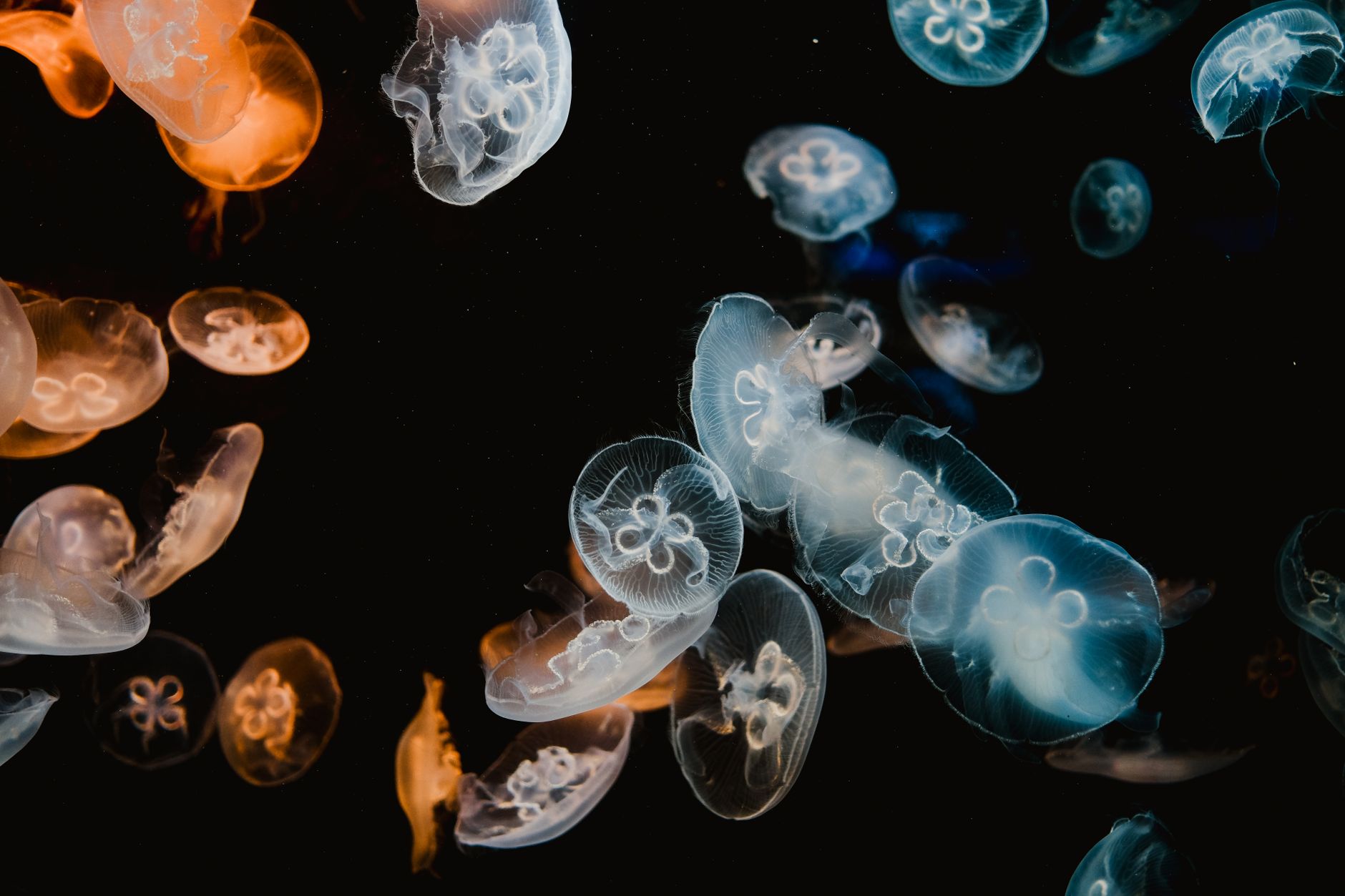
Why are Moon Jellyfish Important to the Ecosystem?
Moon jellyfish (Aurelia aurita) play a critical role in marine ecosystems as both predators and prey, influencing nutrient cycling and contributing to the overall health and stability of ocean food webs.

Introduction: A Widespread and Underappreciated Species
Moon jellyfish, scientifically known as Aurelia aurita, are one of the most recognizable and widespread jellyfish species in the world’s oceans. Often dismissed as simple gelatinous creatures, they are, in fact, integral components of marine food webs and play a crucial role in maintaining ecosystem balance. Understanding why are moon jellyfish important to the ecosystem? requires a deeper look into their feeding habits, life cycle, and interactions with other marine organisms. This article delves into these aspects, shedding light on the ecological significance of these translucent wanderers.

Is distilled water good for goldfish?
What colours are fish most attracted to?
Can you put your finger in a trout's mouth?
Is methylene blue anti bacterial?
Predation and Population Control

One of the primary reasons why are moon jellyfish important to the ecosystem? is their role as predators. They are voracious consumers of:
- Zooplankton (small animals and larvae drifting in the water column)
- Fish eggs and larvae
- Other jellyfish species (including their own under certain circumstances)
- Algae
This feeding behavior helps to control populations of these organisms, preventing algal blooms and maintaining a healthy balance in the planktonic community. Without moon jellyfish, certain zooplankton species could explode in population, leading to significant disruptions in the food web. Their indiscriminate feeding habits make them a keystone species in regulating the abundance of many smaller organisms.
Moon Jellyfish as Prey
While they are predators, moon jellyfish are also prey for a variety of marine animals. This is another crucial aspect of why are moon jellyfish important to the ecosystem?:
- Sea turtles (especially loggerhead turtles)
- Ocean sunfish (Mola mola)
- Seabirds
- Larger jellyfish species
- Some fish species
As a readily available food source, moon jellyfish support the diets of these larger predators, contributing to the stability of higher trophic levels. They act as a vital link in the food chain, transferring energy from smaller organisms to larger predators. Their abundance makes them a relatively reliable food source, particularly during certain times of the year.
Nutrient Cycling and Decomposition
When moon jellyfish die, they decompose rapidly, releasing nutrients back into the water column. This process contributes to nutrient cycling, which is essential for the growth of phytoplankton, the base of the marine food web. These recycled nutrients support primary productivity, fueling the entire ecosystem.
Habitat Provision
While not as structurally complex as coral reefs, moon jellyfish aggregations can provide temporary habitat and refuge for small fish and invertebrates. These organisms may seek shelter within the jellyfish’s bells, offering protection from predators. This temporary habitat provisioning is another often overlooked aspect of their ecological importance.
Impact on Fisheries
While not a direct food source for humans, moon jellyfish populations can indirectly affect fisheries. By controlling zooplankton and fish larvae populations, they can influence the recruitment of commercially important fish species. Understanding these interactions is crucial for managing fisheries sustainably. Some areas are exploring harvesting jellyfish for human consumption but that is very limited.
Impact on Tourism
The presence of large blooms of moon jellyfish can both attract and deter tourists. While some people enjoy observing these fascinating creatures, others may avoid swimming in areas with dense jellyfish populations. Managing public perception and providing accurate information is crucial for balancing tourism with conservation efforts.
The Dark Side: Population Blooms
While generally beneficial, excessive moon jellyfish populations can cause problems. Blooms can:
- Disrupt the food web by consuming large quantities of zooplankton.
- Clog intake pipes of power plants and industrial facilities.
- Interfere with fishing operations.
- Reduce water quality in enclosed bays and estuaries.
Understanding the factors that contribute to jellyfish blooms is crucial for mitigating these negative impacts. Eutrophication (excessive nutrient pollution) and overfishing of their predators are often cited as contributing factors.
Climate Change and Jellyfish
Climate change is expected to exacerbate the conditions that favor jellyfish blooms, such as warmer water temperatures and increased ocean acidification. This could lead to further disruptions in marine ecosystems. Studying the effects of climate change on jellyfish populations is crucial for predicting future impacts.
Frequently Asked Questions (FAQs)
Why are jellyfish considered keystone species in some ecosystems?
Jellyfish, including moon jellyfish, can be considered keystone species in certain ecosystems because their abundance and feeding habits exert a disproportionately large influence on the structure and function of the food web. They control populations of smaller organisms and provide food for larger predators, thereby shaping the entire ecosystem.
What do moon jellyfish eat, and how does this affect the plankton community?
Moon jellyfish primarily feed on zooplankton, fish eggs, and larvae. This predation pressure helps to control the populations of these organisms, preventing excessive growth and maintaining a balanced plankton community. Without moon jellyfish, certain zooplankton species could dominate, leading to disruptions in the food web.
How do moon jellyfish contribute to nutrient cycling in marine environments?
When moon jellyfish die and decompose, they release nutrients such as nitrogen and phosphorus back into the water column. These nutrients are then used by phytoplankton, the base of the marine food web, fueling primary productivity. This nutrient recycling is essential for maintaining a healthy ecosystem.
Are moon jellyfish harmful to humans?
Moon jellyfish have relatively mild sting compared to some other jellyfish species. While contact can cause a slight itching or burning sensation, it is generally not dangerous to humans. Serious reactions are rare, but individuals with allergies may experience more severe symptoms.
What factors contribute to moon jellyfish blooms?
Several factors can contribute to moon jellyfish blooms, including:
- Eutrophication (excessive nutrient pollution from agricultural runoff and sewage)
- Overfishing of their predators (such as sea turtles and some fish species)
- Climate change (warmer water temperatures and altered ocean currents)
How does climate change affect moon jellyfish populations?
Climate change can create conditions that are more favorable for moon jellyfish, such as warmer water temperatures and increased ocean acidification. These changes can lead to increased jellyfish populations and more frequent blooms. This could further disrupt marine ecosystems.
What is the lifecycle of a moon jellyfish?
The moon jellyfish lifecycle is complex and includes both sexual and asexual reproduction. It involves a larval stage (planula), a polyp stage (scyphistoma), and the free-swimming medusa stage. The polyp stage can reproduce asexually, leading to rapid population growth under favorable conditions.
Why are moon jellyfish sometimes found in large aggregations or “blooms”?
Large aggregations of moon jellyfish, known as blooms, often occur due to favorable environmental conditions, such as abundant food, warm water temperatures, and reduced predation pressure. These blooms can have significant ecological and economic impacts.
Do moon jellyfish have natural predators?
Yes, moon jellyfish are preyed upon by a variety of marine animals, including sea turtles, ocean sunfish, seabirds, and some fish species. These predators help to control jellyfish populations and maintain a healthy balance in the food web.
How can we manage moon jellyfish populations to prevent harmful blooms?
Managing moon jellyfish populations requires a multifaceted approach, including:
- Reducing nutrient pollution from land-based sources.
- Protecting and restoring populations of their natural predators.
- Monitoring jellyfish populations to detect and respond to potential blooms.
What is the role of citizen science in studying moon jellyfish?
Citizen science initiatives, such as beach surveys and online reporting platforms, can play a valuable role in monitoring moon jellyfish populations and identifying potential blooms. These efforts help scientists gather data over larger areas and longer time periods.
How can I tell the difference between a moon jellyfish and a more dangerous species?
Moon jellyfish are typically translucent and have four horseshoe-shaped reproductive organs visible through their bell. More dangerous species, such as box jellyfish, have different shapes and stinging mechanisms. It’s always best to avoid contact with any jellyfish if you are unsure of its species.
Conclusion: Appreciating the Value of Jellyfish
Why are moon jellyfish important to the ecosystem? They are much more than just gelatinous blobs. From predation to prey, they are an integral part of the marine environment. Recognizing and understanding their ecological significance is essential for promoting marine conservation and ensuring the long-term health of our oceans.