
Why Are Kangaroos Born So Small? The Miracle of Marsupial Development
The reason why are kangaroos so small when born? lies in their unique reproductive strategy that prioritizes early gestation followed by extensive development outside the womb, allowing them to adapt quickly to changing environments.

Introduction: The Astonishing World of Marsupial Birth
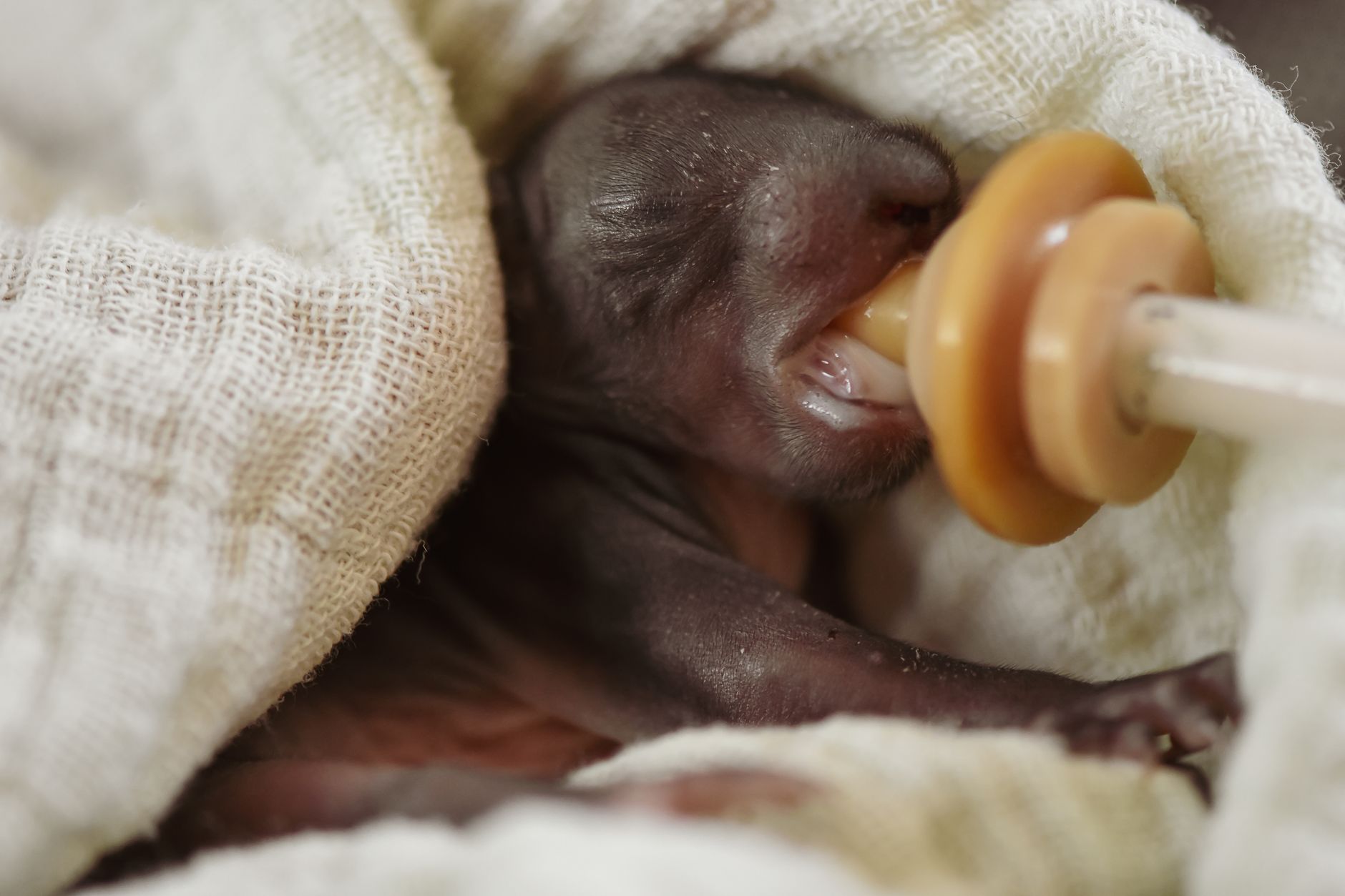
The birth of a kangaroo joey is a remarkable feat of nature. Unlike placental mammals, who gestate their young for extended periods inside the womb, kangaroos give birth to incredibly underdeveloped offspring. This difference is at the heart of why are kangaroos so small when born? Instead of a fully formed newborn, a joey emerges after a gestation period of only 31-36 days, looking more like a pink, bean-sized embryo than the iconic animal we recognize. This article delves into the fascinating reasons behind this unique reproductive strategy.

Is distilled water good for goldfish?
What colours are fish most attracted to?
Can you put your finger in a trout's mouth?
Is methylene blue anti bacterial?
The Evolutionary Advantages of Short Gestation

So, why this unconventional approach? Several evolutionary advantages contribute to this remarkable phenomenon.
- Resource Allocation: Shorter gestation periods require less maternal investment early on. This is crucial in unpredictable environments where food scarcity or predation risks are high. If conditions become unfavorable, the mother can terminate the pregnancy with minimal resource loss.
- Rapid Reproduction: The short gestation allows for faster reproductive cycles. A female kangaroo can potentially be pregnant with another joey while the current one is still developing in her pouch.
- Environmental Adaptability: The pouch provides a stable and protected environment where the joey can continue its development. This allows for greater adaptability to changing environmental conditions, as the mother can modify the milk composition to meet the joey’s specific needs.
- Predator Avoidance: While a tiny, hairless joey might seem vulnerable, it’s less attractive to predators than a larger, more developed infant. The pouch offers a secure refuge.
The Development Journey: From Uterus to Pouch
The journey of a kangaroo joey is nothing short of astonishing. After its brief stay in the uterus, the joey embarks on an arduous climb of approximately 15 centimeters from the birth canal to the mother’s pouch.
- The Climb: Using its well-developed forelimbs and an instinctual sense of direction, the tiny joey claws its way through the mother’s fur.
- The Attachment: Once inside the pouch, the joey attaches itself to a teat, which swells inside its mouth, forming a tight seal. This ensures a constant supply of milk and prevents the joey from falling out.
- Pouch Life: The joey remains in the pouch for several months, continuing its development. The mother’s milk changes in composition over time to meet the joey’s evolving nutritional needs.
Comparing Marsupial and Placental Development
To understand why are kangaroos so small when born?, it’s helpful to compare their development to that of placental mammals.
| Feature | Marsupials | Placentals |
|---|---|---|
| Gestation Period | Short | Long |
| Newborn Size | Very Small | Larger |
| Development | Primarily in pouch | Primarily in uterus |
| Placenta | Less Developed | Well Developed |
| Milk Composition | Changes Significantly over time | Relatively Constant |
This comparison highlights the fundamental differences in reproductive strategies and developmental pathways between these two groups of mammals.
Common Misconceptions About Kangaroo Birth
There are several common misconceptions regarding kangaroo birth.
- Myth: Kangaroos give birth to fully formed babies.
- Reality: Joeys are extremely underdeveloped at birth.
- Myth: Joeys are helpless and incapable of moving.
- Reality: Joeys have strong forelimbs that enable them to climb to the pouch.
- Myth: The pouch is simply a convenient carrying case.
- Reality: The pouch provides a controlled environment essential for the joey’s survival and development.
Frequently Asked Questions
Why do kangaroos have pouches?
The pouch is crucial for protecting and nurturing the joey during its extended period of development outside the womb. It provides warmth, shelter, and access to milk.
How long does a joey stay in the pouch?
The joey typically stays in the pouch for around six to ten months, depending on the species. After this period, it will start to venture out, but will still return to the pouch for milk and protection for several more months.
What do joeys eat while in the pouch?
Joeys consume only their mother’s milk while in the pouch. The milk composition changes over time to meet the joey’s evolving nutritional needs, from providing antibodies to building strong bones.
How does the mother kangaroo clean the pouch?
The mother kangaroo meticulously cleans the pouch by licking it regularly. This ensures a hygienic environment for the joey.
Can a mother kangaroo have more than one joey at a time?
Yes, a mother kangaroo can have three joeys at different stages of development simultaneously: one developing in the womb, one in the pouch, and one that has recently left the pouch but still relies on its mother for milk.
How strong are the joey’s forelimbs when it’s born?
The joey’s forelimbs are surprisingly strong for its size. These limbs are critical for the arduous climb to the pouch.
Why isn’t the placenta of a kangaroo as developed as in other animals?
The relatively undeveloped placenta is a consequence of the shorter gestation period. Placental mammals require a more complex placenta to provide nutrients and oxygen for a longer duration in the womb.
What happens if a joey falls out of the pouch?
If a joey falls out of the pouch before it is ready, its chances of survival are very low. Without the pouch’s protection and constant access to milk, it is unlikely to survive.
How does a mother kangaroo control the milk supply to each teat?
Amazingly, a mother kangaroo can produce different types of milk from different teats simultaneously to cater to the different nutritional needs of each joey.
Are all marsupials born as small as kangaroos?
While marsupials generally have shorter gestation periods and give birth to relatively underdeveloped offspring compared to placentals, the exact size at birth can vary depending on the species. However, kangaroos are known for their exceptionally small newborns.
How do kangaroos survive in the wild with such a vulnerable newborn?
The protective pouch and the mother’s vigilance are key to survival. The pouch provides a safe haven, and the mother constantly monitors the joey’s well-being and defends it from predators.
Why are kangaroos important for their ecosystems?
Kangaroos play a critical role in maintaining the health of Australian ecosystems. They help control vegetation growth, disperse seeds, and contribute to nutrient cycling. Their grazing habits shape the landscape and influence the distribution of other species.