

Who is Diana the Goddess of the Moon?
Diana, the Roman goddess of the moon, hunting, and wild animals, was a powerful and multifaceted figure embodying feminine strength and independence. She was often associated with childbirth and the protection of young girls.
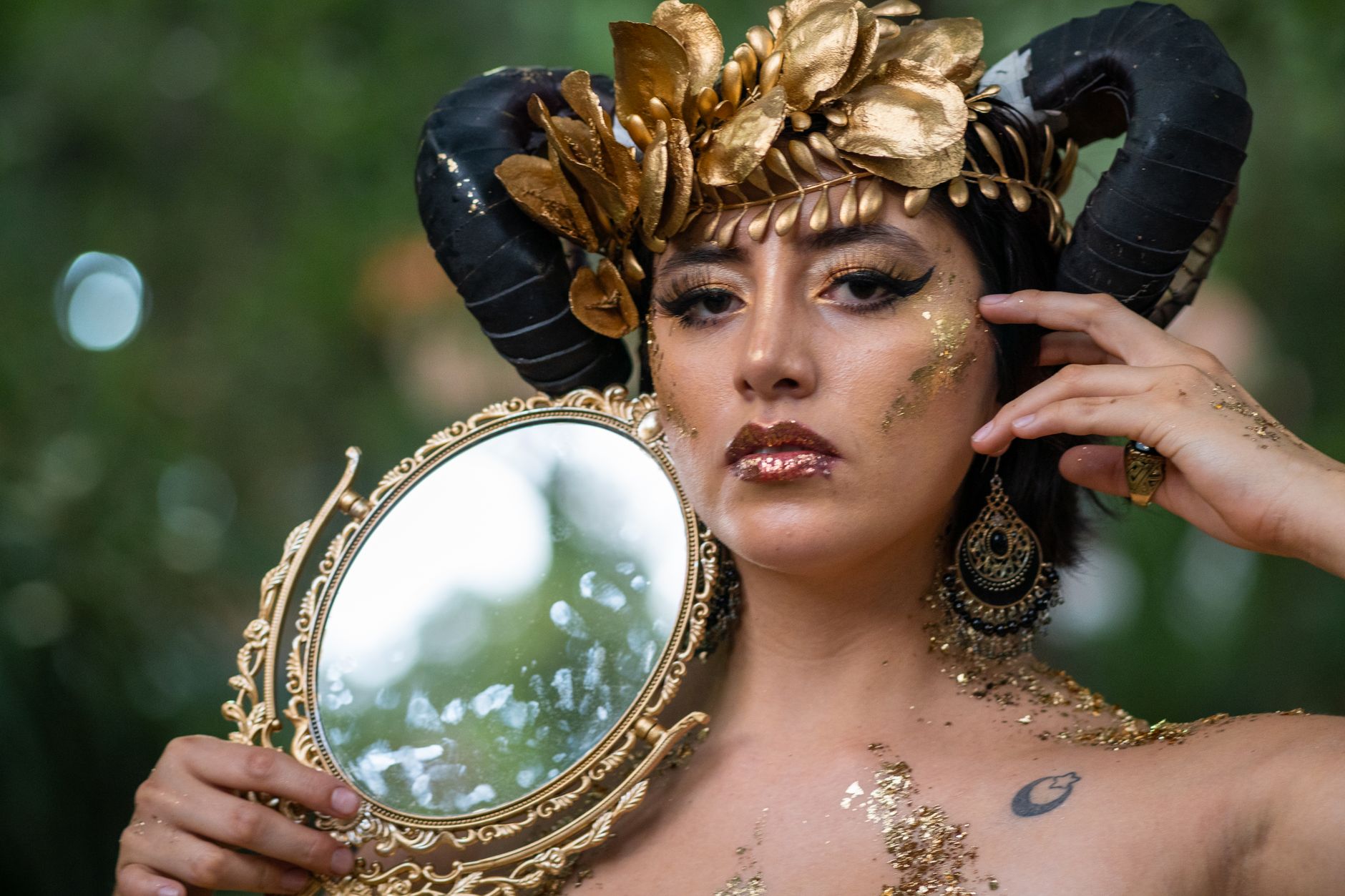
Introduction to Diana: Goddess of the Moon
Diana, a central figure in Roman mythology, holds a significant place in the pantheon. Understanding her role requires exploring her origins, attributes, and enduring influence. She’s more than just the Roman equivalent of the Greek Artemis; she possesses unique characteristics and a distinct cultural significance within Roman society. Who is Diana the goddess of the moon? She’s a complex deity embodying various aspects of the feminine, the wild, and the celestial.

Is distilled water good for goldfish?
What colours are fish most attracted to?
Can you put your finger in a trout's mouth?
Is methylene blue anti bacterial?
Origins and Associations

Diana’s roots are intertwined with Italic traditions, potentially predating the arrival of Greek influences in Rome.
- She was worshipped in groves, at crossroads, and particularly at her sacred grove and temple at Aricia.
- The cult of Diana Nemorensis, the “Diana of the Wood,” was overseen by a priest-king who obtained his position by murdering his predecessor, highlighting the potent and sometimes violent aspects associated with the wild.
- Later, Diana became strongly associated with the Greek goddess Artemis, adopting her attributes of hunting, virginity, and connection to wild animals.
Attributes and Symbols
Diana is readily identifiable through several key attributes and symbols:
- The Moon: Her connection to the moon is paramount, symbolizing her association with night, cycles, and feminine intuition.
- The Bow and Arrow: These tools represent her skill as a huntress and her independence.
- Deer or Hinds: These animals are sacred to her, reflecting her dominion over the animal kingdom.
- The Cypress Tree: This tree is also considered sacred to Diana.
Diana’s Role in Roman Society
Diana played a significant role in Roman life, particularly for women.
- She was invoked during childbirth, offering protection to mothers and newborns.
- Young girls dedicated their toys to Diana as they transitioned into adulthood.
- Her temple on the Aventine Hill was a center for plebeians and slaves, offering a space for worship and community.
- Her festivals, such as the Nemoralia, were important religious observances.
Differences Between Diana and Artemis
While often considered the same goddess, Diana and Artemis possess distinct differences:
| Feature | Diana (Roman) | Artemis (Greek) |
|---|---|---|
| Emphasis | More focus on state cult and the plebs | Emphasis on individual heroism and myth |
| Character | More grounded and community-focused | More aloof and vengeful |
| Integration | More integrated into Roman life | More mythical and removed |
Enduring Influence
Diana’s legacy persists in various forms:
- Her image continues to inspire art, literature, and popular culture.
- The name “Diana” remains a popular name for girls, signifying strength and independence.
- Her association with the moon continues to influence astrological and esoteric beliefs. The answer to Who is Diana the goddess of the moon? can be found in her continued presense in modern society.
Frequently Asked Questions (FAQs)
Who were Diana’s parents?
Diana’s parents were Jupiter, the king of the gods, and Latona. This parentage placed her among the most powerful figures in the Roman pantheon.
Did Diana have any siblings?
Yes, Diana was the twin sister of Apollo, the god of light, music, and healing. Together, they represent a powerful sibling duo within Roman mythology.
What was Diana’s virginity vow?
Diana was a virgin goddess, meaning she dedicated herself to remaining unmarried and untainted. This was not necessarily a rejection of sexuality, but rather a commitment to independence and self-determination.
Why was Diana associated with the moon?
Diana’s association with the moon symbolizes several aspects: feminine cycles, intuition, and the night. The moon’s phases mirrored the different stages of a woman’s life, further strengthening this connection.
What was the significance of Diana’s temple on the Aventine Hill?
The temple on the Aventine Hill served as a central place of worship for plebeians and slaves. It symbolized Diana’s role as a protector of the common people and those marginalized by society.
What were the Nemoralia?
The Nemoralia were Diana’s major festival, held on August 13th at the sacred grove of Nemi. It was a celebration of fertility, protection, and the wild.
How did Diana punish those who wronged her?
Diana, like many Roman gods, could be vengeful. One famous example is her punishment of Actaeon, who saw her bathing naked, turning him into a stag and having him torn apart by his own hounds.
Is Diana the same as the Greek goddess Hecate?
While Diana is often associated with the Greek Artemis, she also shares some characteristics with Hecate, the goddess of magic, crossroads, and the underworld. This overlap highlights the complex nature of Roman deities.
What does Diana teach us about the role of women in Roman society?
Diana’s independence and strength offered a powerful role model for women in Roman society. She represented a feminine ideal of self-reliance and agency.
Are there any modern-day followers of Diana?
Yes, some Neopagan and Wiccan traditions incorporate Diana into their practices. She is often revered as a goddess of the moon, hunting, and feminine power. Her name is still invoked today.
What is Diana’s lasting legacy?
Diana’s lasting legacy is one of feminine strength, independence, and connection to nature. Her image continues to inspire artists, writers, and those seeking a powerful female role model.
How does the myth of Diana the goddess of the moon inform us about Roman values?
The myth of Who is Diana the goddess of the moon? reflects Roman values such as piety, honor, and respect for the natural world. However, it also reveals their anxieties about the untamed and the importance of maintaining social order. The goddess embodies the wildness just beyond the Roman sphere of influence.