
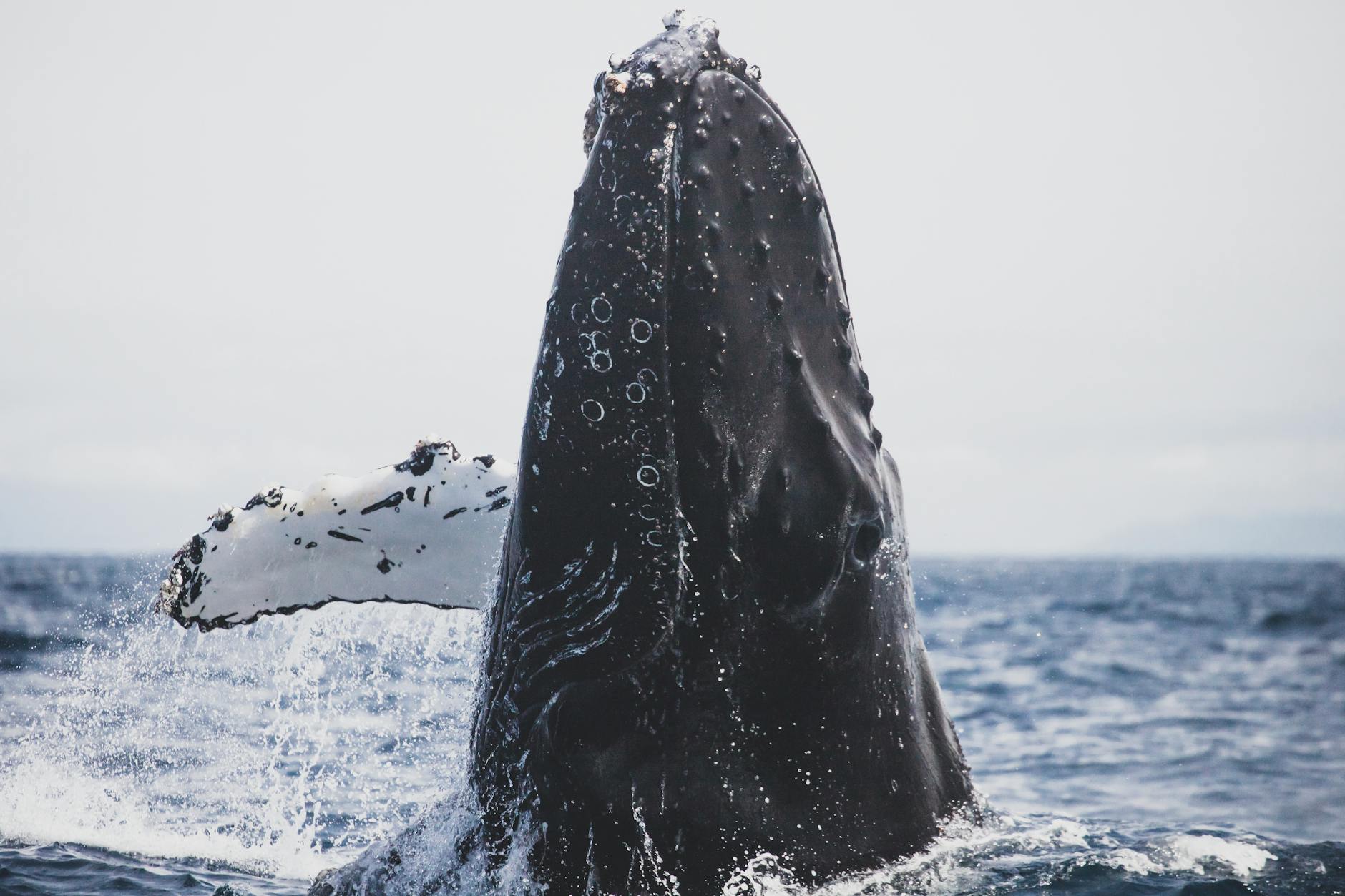
Which Whales Breach the Most? Unveiling the Acrobatics of the Deep
The humpback whale is generally considered the champion breacher, known for its frequent and spectacular displays above the water’s surface. While other species breach, none match the humpback’s consistent dedication to this awe-inspiring behavior.

The Allure of Breaching: An Introduction
Breaching, the act of propelling oneself vertically out of the water, is one of the most breathtaking behaviors exhibited by whales. The sheer size and power involved in launching a multi-ton animal into the air captivates observers and has fascinated scientists for decades. This article delves into the question: Which whales breach the most? and explores the reasons behind this behavior and the variations among different whale species.

What is the GREY African clawed frog?
Is distilled water good for goldfish?
Can you put your finger in a trout's mouth?
Is methylene blue anti bacterial?
Understanding Breaching Behavior

Breaching is a complex behavior, and while its exact purpose remains a topic of ongoing research, several key theories have emerged. The motivations likely vary between species and even between individuals.
- Communication: The loud splash and the visual display can serve as a form of long-distance communication, signaling presence, dominance, or alerting others to danger.
- Parasite Removal: Impacting the water’s surface with such force may dislodge parasites clinging to the whale’s skin.
- Play and Exploration: Breaching could simply be a form of play, particularly among younger whales, allowing them to explore their physical capabilities.
- Showing Dominance or Aggression: Breaching could serve as a demonstration of power, particularly between males competing for mates.
- Scanning the Surface: A less common theory is that whales use breaching to get a better view of the surface environment, looking for prey, landmarks, or threats.
The Humpback Whale: Breaching Royalty
While numerous whale species are known to breach, the humpback whale (Megaptera novaeangliae) stands out as the most prolific and consistent breacher. Their acrobatic displays are a hallmark of their behavior, especially during breeding season. Their willingness to launch themselves skyward, combined with their immense size, makes their breaches particularly impressive.
Factors Influencing Breaching Frequency
Several factors can influence how often a whale breaches:
- Species: As mentioned, some species are simply more prone to breaching than others.
- Age: Younger whales, especially calves, tend to breach more frequently, likely due to play and exploration.
- Social Context: Breaching often occurs during social interactions, such as mating displays or competitive encounters.
- Location and Season: Breeding grounds and migratory routes often see higher rates of breaching.
- Prey Availability: While not directly linked, some studies suggest a correlation between prey availability and breaching behavior.
Other Breaching Whales
While humpbacks are the stars, several other whale species also breach, though typically less frequently:
- Gray Whales: Gray whales (Eschrichtius robustus) are known to breach, particularly during their migrations.
- Right Whales: Right whales (Eubalaena glacialis) are less frequent breachers, but occasional breaches have been observed.
- Sperm Whales: Sperm whales (Physeter macrocephalus) are large and powerful, and while they don’t breach as often, when they do, it’s a spectacular sight.
- Minke Whales: Minke whales (Balaenoptera acutorostrata) are smaller baleen whales that occasionally breach.
Comparing Breaching Frequency
The following table provides a simplified comparison of the breaching frequency among different whale species (based on observations):
| Whale Species | Breaching Frequency |
|---|---|
| :————— | :—————— |
| Humpback Whale | Very High |
| Gray Whale | Moderate |
| Right Whale | Low |
| Sperm Whale | Low to Moderate |
| Minke Whale | Low |
Researching Breaching: The Scientific Approach
Scientists employ various methods to study breaching behavior:
- Visual Observation: This is the most common method, involving direct observation of whales in their natural habitat, either from land or from boats.
- Photo-Identification: Photographs of individual whales, particularly of their flukes, can be used to track individuals and study their behavior over time.
- Acoustic Monitoring: Hydrophones can detect the sound of breaching, even when the whales are not visible.
- Tagging: Attaching electronic tags to whales allows researchers to track their movements and behavior, including breaching, in real-time.
Frequently Asked Questions (FAQs)
Why do whales breach?
The exact reasons whales breach are still debated, but it is believed to be a combination of factors, including communication, parasite removal, play, and social signaling. The specific motivation can vary depending on the species, age, and social context.
Is breaching harmful to whales?
While breaching looks powerful, it is generally not considered harmful to whales. Whales are physically adapted for this type of activity, with strong muscles and flexible skeletons. However, excessive breaching could potentially lead to injury in rare circumstances.
How high can whales breach?
The height of a whale’s breach depends on its size and power. Humpback whales can often launch themselves almost entirely out of the water, reaching heights of several meters. Smaller whale species will breach to a lesser extent.
Do all whales breach?
No, not all whale species breach. While many species are capable of breaching, some are more prone to it than others. For example, blue whales, despite being the largest animals on Earth, rarely breach.
Is breaching more common in certain seasons?
Yes, breaching is often more common during breeding season, when whales are engaged in social displays. Migration routes can also see increased breaching activity, potentially for communication purposes.
Does water temperature affect breaching frequency?
There’s no definitive evidence to suggest a direct correlation between water temperature and breaching frequency. However, environmental factors that influence prey availability or social interactions could indirectly impact breaching behavior.
Can humans influence breaching behavior?
Human activities, such as boat traffic and noise pollution, can potentially influence whale behavior, including breaching. Disturbance from human activity could lead to decreased breaching frequency in some areas.
Are there different types of breaches?
Yes, there are several different types of breaches, including:
- Full Breach: The entire body leaves the water.
- Head Lunge: The whale propels its head and part of its body out of the water.
- Chin Slap: The whale raises its head and slaps its chin against the surface of the water.
How do scientists identify individual whales from breaching photos?
Scientists use photo-identification to identify individual whales. They analyze unique markings on their bodies, such as scars, pigmentation patterns, and the shape of their flukes. This allows them to track individuals over time and study their behavior.
What is the role of breaching in whale migration?
Breaching might play a role in long-distance communication during migration. The loud splash could signal the presence of a group of whales to others who are traveling along the same migratory route.
Which whales breach the most? Are there regional variations?
While humpback whales are generally considered the most frequent breachers, there can be regional variations in breaching behavior. Specific populations may exhibit different breaching rates based on factors like prey availability and local social dynamics. More research is needed to understand the nuances of these regional differences.
How does climate change affect whale breaching?
The long-term effects of climate change on whale breaching are still uncertain, but changes in ocean temperature, prey distribution, and habitat availability could indirectly impact breaching behavior. Altered social dynamics due to climate change may also affect the frequency of breaching.