

Which Octopus Reigns Supreme in Venom? Determining the Most Poisonous
The most poisonous octopus in the world is undoubtedly the Blue-Ringed Octopus. These small, yet deadly cephalopods possess a potent neurotoxin, tetrodotoxin, making them a significant threat despite their diminutive size.

Introduction: A World of Venomous Cephalopods
The ocean, a realm of stunning beauty and hidden dangers, is home to a fascinating array of creatures, some possessing remarkable defensive mechanisms. Among these are octopuses, intelligent and adaptable animals. While many octopuses use camouflage and jet propulsion to avoid predators, some rely on venom. Which is the most poisonous octopus in the world? is not just a question of biological curiosity but also one of public safety and marine awareness. This article will delve into the world of venomous octopuses, exploring their toxins, their effects, and ultimately, identifying the undisputed champion of toxicity.

What is the GREY African clawed frog?
Is distilled water good for goldfish?
Can you put your finger in a trout's mouth?
Is methylene blue anti bacterial?
The Potency of Octopod Venom
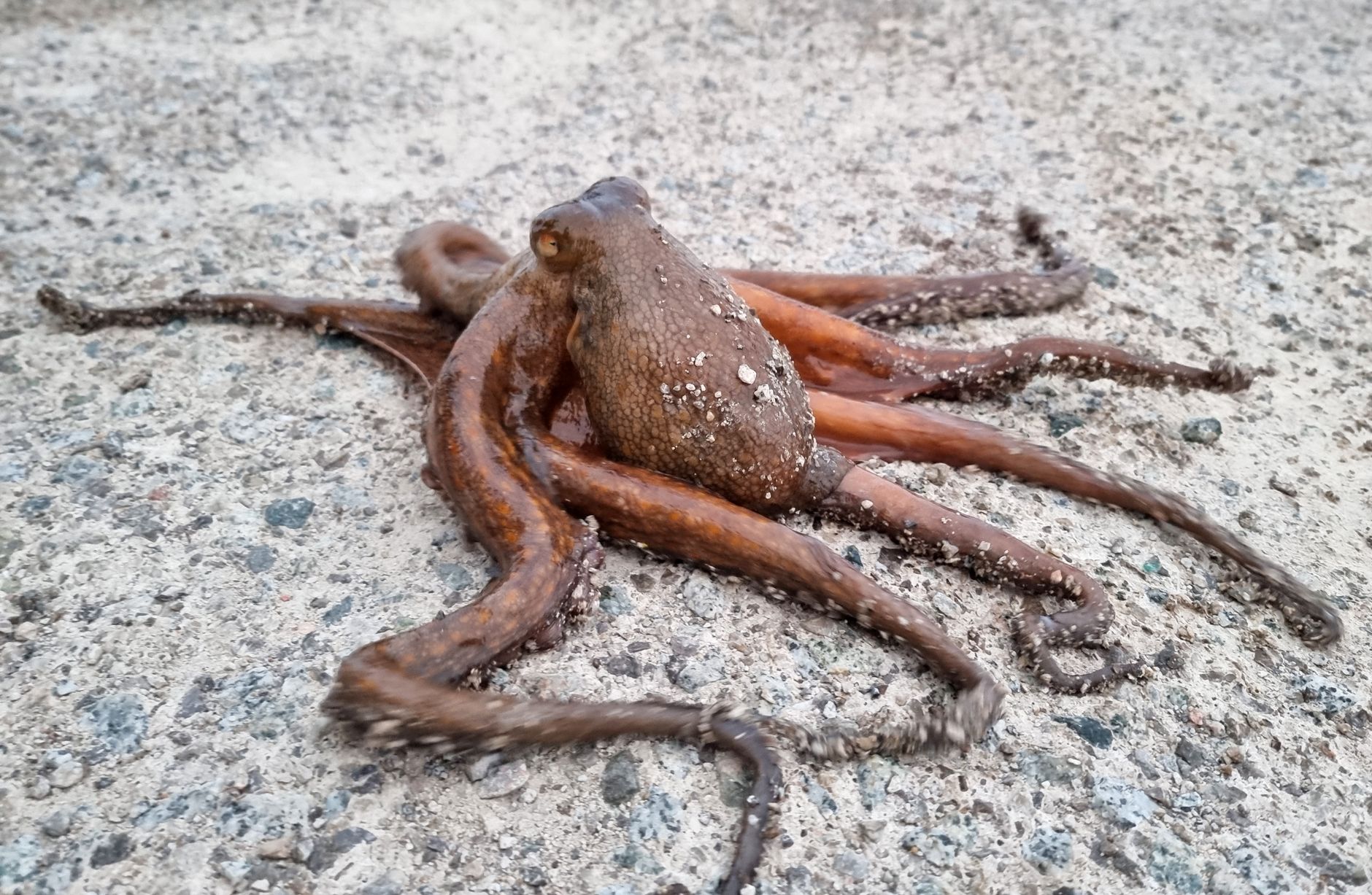
Unlike snakes, which inject venom through fangs, octopuses deliver their venom primarily through their beak. The venom, a complex mixture of proteins and other compounds, is produced in the salivary glands and injected into prey, paralyzing or killing them. The potency of this venom varies significantly between different species. Some octopuses have relatively mild venom, used primarily to subdue small crustaceans. Others, however, possess incredibly potent toxins capable of causing severe harm to humans.
Identifying the Culprit: Blue-Ringed Octopus Characteristics
The Blue-Ringed Octopus (genus Hapalochlaena) is a group of small octopuses found in the Pacific and Indian Oceans, particularly around Australia and Southeast Asia. They are characterized by their distinctive blue rings, which intensify in color when the octopus is agitated or threatened. These rings serve as a warning sign, indicating the octopus’s highly venomous nature.
Key characteristics of the Blue-Ringed Octopus include:
- Small size (typically 12-20 cm including tentacles)
- Bright blue rings (50-60 rings)
- Presence of tetrodotoxin (TTX) in its saliva
- Relatively docile behavior, but capable of delivering a deadly bite
Tetrodotoxin: The Deadly Secret
The venom of the Blue-Ringed Octopus contains tetrodotoxin (TTX), the same neurotoxin found in pufferfish. TTX is an extremely potent sodium channel blocker, preventing nerve cells from firing. This leads to paralysis, respiratory arrest, and potentially death. There is no antivenom for Blue-Ringed Octopus venom.
The severity of the symptoms depends on the amount of venom injected. Initial symptoms may include numbness around the mouth and face, followed by progressive muscle weakness and paralysis. Respiratory paralysis is the most life-threatening consequence.
Why is the Blue-Ringed Octopus the Most Poisonous?
Several factors contribute to the Blue-Ringed Octopus’s title as the most poisonous octopus:
- Potency of Tetrodotoxin: TTX is one of the most potent neurotoxins known to science.
- Rapid Paralysis: The rapid onset of paralysis increases the risk of death.
- Lack of Antivenom: The absence of an antivenom leaves medical professionals with only supportive care options.
- Small Size, Big Impact: Its small size can make it seem harmless, leading to accidental encounters.
- Wide Geographic Distribution: Its presence across populated coastal regions increases the likelihood of human encounters. The question of which is the most poisonous octopus in the world? is definitively answered by the Blue-Ringed Octopus and its deadly tetrodotoxin.
Encountering a Blue-Ringed Octopus: Prevention and First Aid
Prevention is the best strategy. If you are in an area known to be inhabited by Blue-Ringed Octopuses:
- Be cautious when walking on rocky shores or in tide pools.
- Wear protective footwear.
- Do not handle or provoke octopuses.
- Teach children about the dangers of marine wildlife.
If bitten by a Blue-Ringed Octopus:
- Apply pressure to the wound.
- Immobilize the affected limb.
- Seek immediate medical attention. Respiratory support is critical.
Conclusion: Respecting the Ocean’s Dangers
The Blue-Ringed Octopus serves as a reminder of the hidden dangers that can lurk in even the most beautiful environments. Understanding the risks associated with venomous marine life is crucial for ensuring personal safety and promoting responsible interactions with the ocean. While the Blue-Ringed Octopus holds the title of most poisonous, respecting all marine creatures is essential for maintaining the health and biodiversity of our oceans. The answer to which is the most poisonous octopus in the world underscores the need for awareness and caution.
Frequently Asked Questions (FAQs)
Is the Blue-Ringed Octopus venomous or poisonous?
The Blue-Ringed Octopus is technically venomous, as it injects its toxin using its beak. Poisonous animals release toxins through contact or ingestion.
How many species of Blue-Ringed Octopus are there?
There are at least four recognized species of Blue-Ringed Octopus: Hapalochlaena maculosa, Hapalochlaena lunulata, Hapalochlaena fasciata, and Hapalochlaena nierstraszi. All possess deadly venom.
Where do Blue-Ringed Octopuses live?
They primarily inhabit shallow coral reefs and tide pools in the Pacific and Indian Oceans, with a high concentration around Australia and Southeast Asia.
What does tetrodotoxin do to the body?
Tetrodotoxin blocks sodium channels, preventing nerve impulses. This results in muscle paralysis, including the muscles required for breathing, leading to respiratory arrest and potentially death.
How long does it take for the venom of a Blue-Ringed Octopus to kill someone?
The onset of paralysis can be rapid, sometimes within minutes. If breathing support is not provided, death can occur within hours.
Can you survive a Blue-Ringed Octopus bite?
Yes, with prompt and effective medical treatment, particularly respiratory support. The key is to maintain breathing until the effects of the venom wear off, which can take up to 24 hours.
Are Blue-Ringed Octopuses aggressive?
No, they are generally docile and reclusive. Bites typically occur when they are accidentally stepped on or handled.
Are there any animals immune to Blue-Ringed Octopus venom?
Some animals may exhibit a higher tolerance to TTX, but complete immunity is rare. Pufferfish, which also contain TTX, have evolved mechanisms to resist its effects.
How small is a Blue-Ringed Octopus?
Blue-Ringed Octopuses are quite small, typically reaching a total size (including tentacles) of only 12-20 centimeters.
What do Blue-Ringed Octopuses eat?
They primarily feed on small crabs, shrimp, and other crustaceans. They use their venom to paralyze their prey before consuming them.
What should I do if I see a Blue-Ringed Octopus?
Admire it from a distance and avoid touching or disturbing it. Its beauty is a warning signal of its lethal potential.
Is the Blue-Ringed Octopus the only venomous octopus?
No, many octopuses possess venom, but the Blue-Ringed Octopus has the most poisonous venom known to science.