
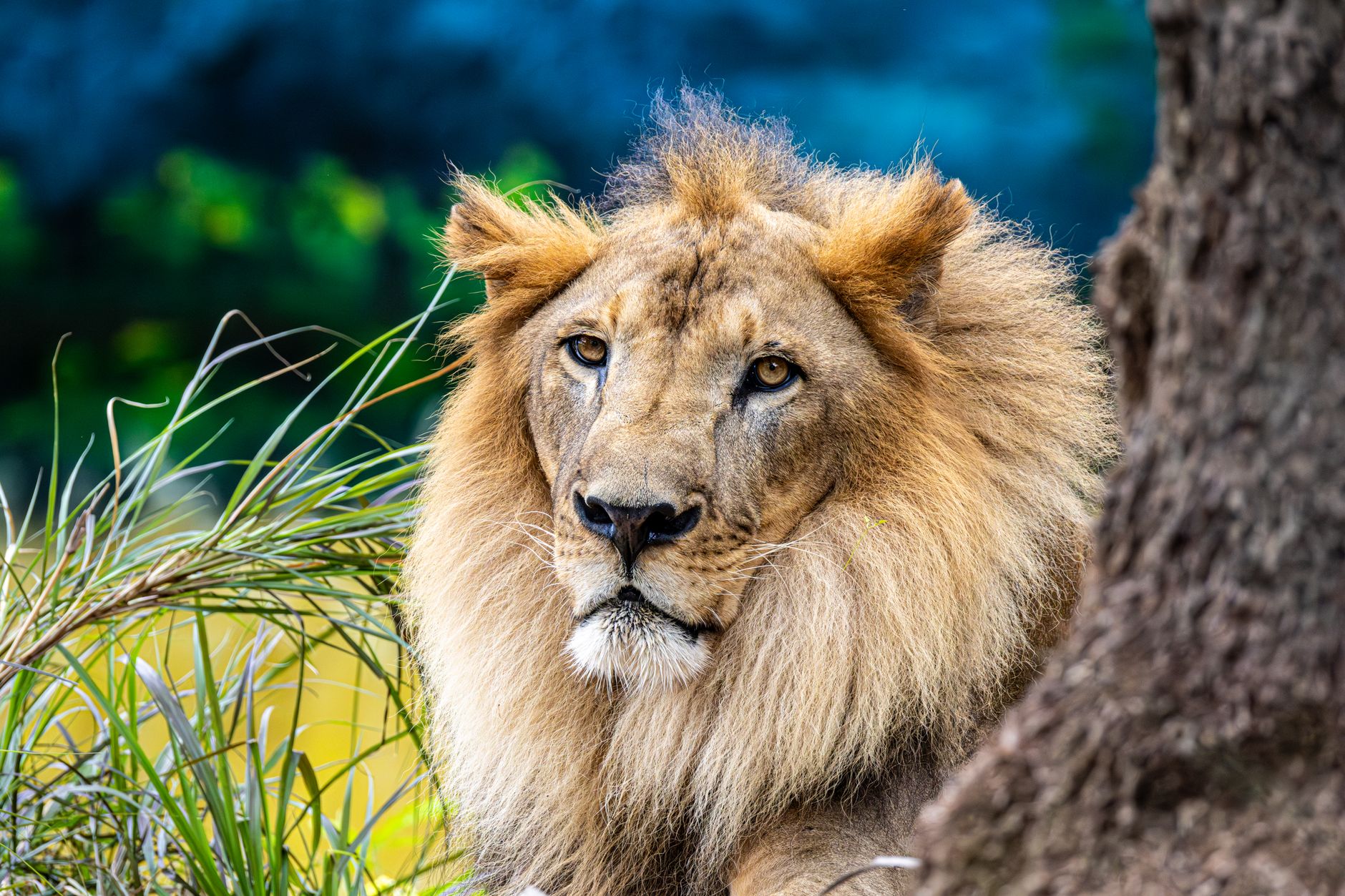
Which is Older: Lion or Tiger? Unraveling the Evolutionary Timelines of Panthera’s Apex Predators
The evolutionary lineage of Panthera, the genus encompassing lions and tigers, traces back millions of years, but which is older, lion or tiger? Fossil evidence suggests that the tiger lineage predates that of the lion, making tigers the slightly older species within the Panthera genus.
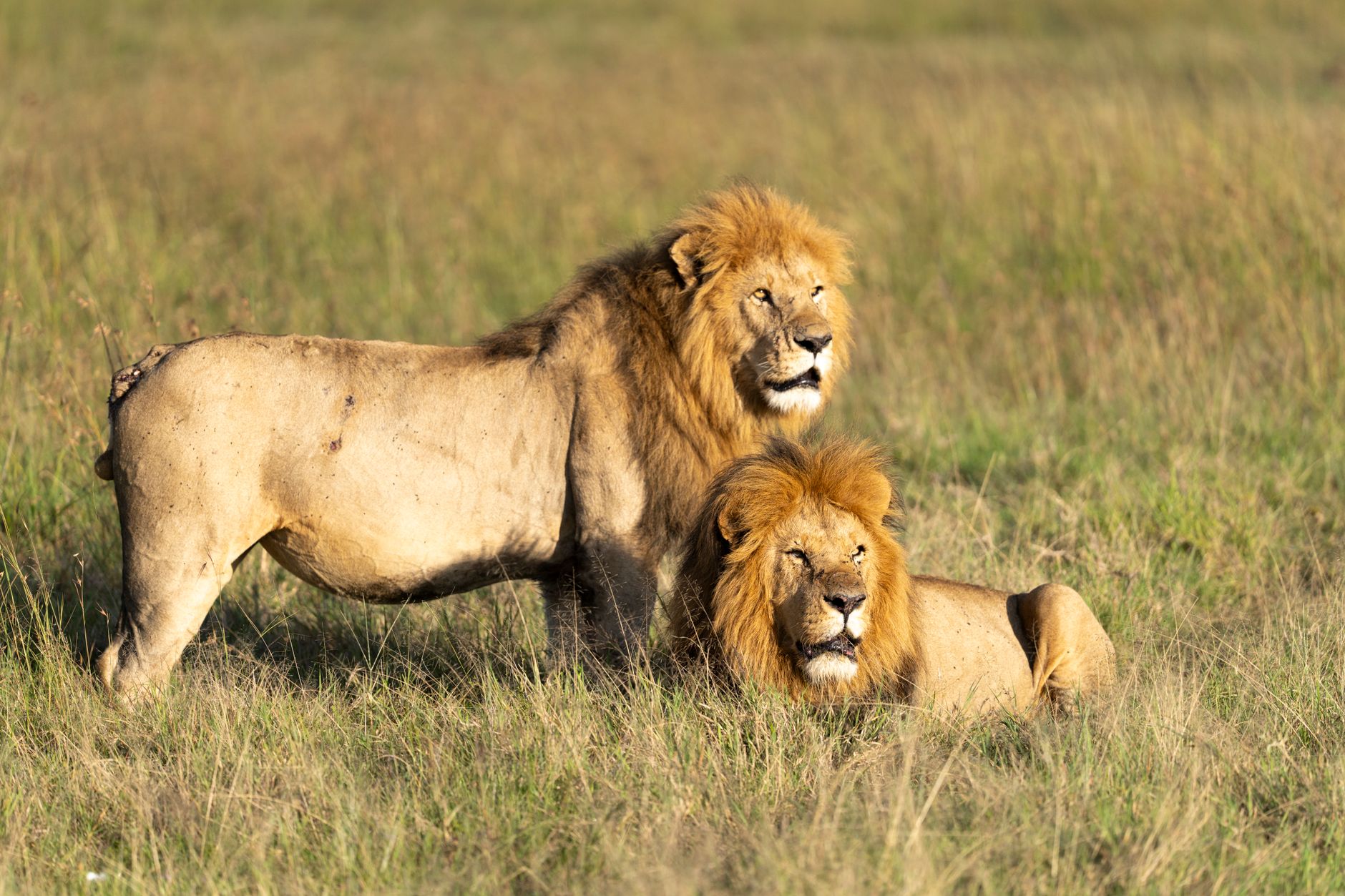
Tracing the Evolutionary Roots of Panthera
Understanding which is older lion or tiger requires delving into the complex world of paleontology and genetic analysis. The Panthera genus, which includes lions, tigers, leopards, jaguars, and snow leopards, shares a common ancestor. Scientists use fossil discoveries, DNA sequencing, and comparative anatomy to reconstruct the evolutionary relationships within this genus. The oldest Panthera fossils, dating back roughly 3.6 million years, provide clues to the emergence of these apex predators.

Is distilled water good for goldfish?
What colours are fish most attracted to?
Can you put your finger in a trout's mouth?
Is methylene blue anti bacterial?
The Tiger’s Early Emergence

The fossil record indicates that tiger-like ancestors emerged earlier than lion-like ancestors. While pinpointing the exact species that directly led to modern tigers remains an ongoing area of research, fossils found in Asia, dating back approximately 2 million years, show features that align more closely with tigers. These early tiger predecessors inhabited a diverse range of environments, adapting to various ecological niches across Asia.
The Lion’s Evolutionary Journey
Lion fossils, while not as old as the earliest tiger fossils, still represent a significant history. The oldest definitive lion fossils are approximately 1.2 million years old, discovered in Africa. These early lions, often referred to as Panthera leo fossilis, are believed to have evolved from a common ancestor shared with other Panthera species, eventually diverging into the modern lion (Panthera leo) we know today. The lion’s evolution is strongly tied to the African continent, where they thrived and diversified.
Genetic Evidence and Divergence Times
Genetic studies provide further insights into the evolutionary timelines of lions and tigers. By analyzing the DNA of modern lions and tigers, scientists can estimate the approximate time when their evolutionary lineages diverged. While estimates vary, most studies suggest that lions and tigers diverged between 2 and 3 million years ago. This genetic data supports the fossil evidence, indicating that the tiger lineage slightly predates that of the lion.
Factors Influencing Evolutionary Timelines
Several factors influence the evolutionary timelines of species, including environmental changes, geographic isolation, and competition. These factors can drive the divergence of populations and the emergence of new species. The Panthera genus provides a fascinating example of how these factors have shaped the evolution of apex predators over millions of years.
Summary of the findings
- Tiger fossils predate lion fossils.
- Genetic data suggests a divergence time of 2-3 million years ago.
- Environmental factors influenced the evolutionary trajectories.
Which is more endangered Lion or Tiger?
- Tiger is the more endangered of the two.
Comparing Anatomical and Behavioral Traits
While answering “Which is older lion or tiger?“, it is helpful to consider that the relative age of a species doesn’t directly correlate to physical or behavioral complexity. Both lions and tigers exhibit highly specialized adaptations that allow them to thrive in their respective environments. Lions are known for their social behavior and cooperative hunting strategies, while tigers are typically solitary hunters with exceptional camouflage.
Frequently Asked Questions (FAQs)
When did the Panthera genus originate?
The Panthera genus, the group of big cats that includes lions, tigers, leopards, jaguars, and snow leopards, is believed to have originated approximately 3.6 million years ago. This estimate is based on the discovery of the oldest known Panthera fossils, providing a crucial point in the evolutionary history of these apex predators.
Where were the oldest tiger fossils found?
The oldest tiger fossils, or rather, fossils of tiger-like ancestors, have been found in Asia. These fossils, dating back around 2 million years, suggest that the tiger lineage originated in Asia and subsequently spread to various regions across the continent.
What is Panthera leo fossilis?
Panthera leo fossilis refers to an extinct subspecies of lion. Fossils of this ancient lion have been found in Africa, dating back approximately 1.2 million years. Panthera leo fossilis is considered an important ancestor in the evolutionary lineage of the modern lion (Panthera leo).
How do scientists determine the divergence times of species?
Scientists use a combination of fossil evidence and genetic analysis to determine the divergence times of species. Fossil discoveries provide a historical record of species existence, while genetic data allows scientists to estimate the time when different lineages diverged based on mutations in their DNA.
What factors influence the evolution of species?
Several factors influence the evolution of species, including environmental changes, geographic isolation, and competition. These factors can drive the divergence of populations and the emergence of new species. Changes in climate, habitat availability, and the presence of other species can all play a role in shaping evolutionary trajectories.
Are lions and tigers capable of interbreeding?
Yes, lions and tigers are capable of interbreeding, although it is rare in the wild. Offspring of lion and tiger parents are known as ligers (father is lion) or tigons (father is tiger). These hybrids are typically only found in captivity.
Why are lions social animals while tigers are typically solitary?
The social behavior of lions and the solitary nature of tigers are adaptations to their respective environments and hunting strategies. Lions live in prides, which allows them to cooperatively hunt large prey and defend their territory. Tigers, on the other hand, are typically solitary hunters who rely on camouflage and stealth to ambush their prey.
What is the conservation status of lions and tigers?
Both lions and tigers face significant conservation challenges. Lions are listed as vulnerable by the International Union for Conservation of Nature (IUCN), while tigers are listed as endangered. Both species are threatened by habitat loss, poaching, and human-wildlife conflict.
How can we help protect lions and tigers?
We can help protect lions and tigers by supporting conservation organizations, reducing demand for products derived from these animals, and promoting sustainable tourism. Conservation efforts focused on habitat preservation, anti-poaching measures, and community engagement are crucial for ensuring the long-term survival of these iconic species.
Do lions and tigers share the same habitats?
Historically, lions and tigers shared some overlapping ranges in Asia, but today, their habitats are largely distinct. Lions are primarily found in Africa, while tigers are found in various parts of Asia. Habitat loss and human encroachment have further reduced their ranges, making encounters between the two species extremely rare.
How does knowing “Which is older lion or tiger?” benefit conservation?
Knowing about their different evolutionary journeys may not directly impact conservation efforts. However, understanding each species’ unique evolutionary history can inform targeted conservation strategies. Recognizing their distinct adaptations and the challenges they face in their respective environments helps focus efforts on their specific needs.
What are some current conservation efforts for tigers and lions?
Current conservation efforts include anti-poaching patrols, habitat restoration, community-based conservation programs, and efforts to reduce human-wildlife conflict. These initiatives aim to protect their remaining populations and ensure their long-term survival in the wild. Translocation projects, aimed at re-establishing populations in suitable habitats, are also underway in some regions.