

Which Fish Eat Small Fish? The Predator-Prey Relationship in Aquatic Ecosystems
The aquatic world is a complex web of life, where survival often depends on who eats whom; understanding which fish eat small fish reveals the intricate dynamics of this ecosystem. Many species, ranging from massive sharks to seemingly docile groupers, actively hunt and consume smaller fish as a crucial part of their diet.

Introduction to the Predatory World of Fish
The ocean is a vast and often unforgiving place, governed by the fundamental principle of predator and prey. Understanding the dietary habits of different fish species is crucial for comprehending the delicate balance of marine and freshwater ecosystems. Predation, the act of one organism consuming another, is a cornerstone of this balance. Which fish eat small fish? The answer is diverse and encompasses a wide array of species, each with unique hunting strategies and adaptations. From the swift pursuit of tuna to the ambush tactics of scorpionfish, the methods are as varied as the species themselves.

How intelligent are fish?
Are fish heads good for the garden?
Can fish hear water?
What is cotton rot in fish?
Identifying Major Piscivores
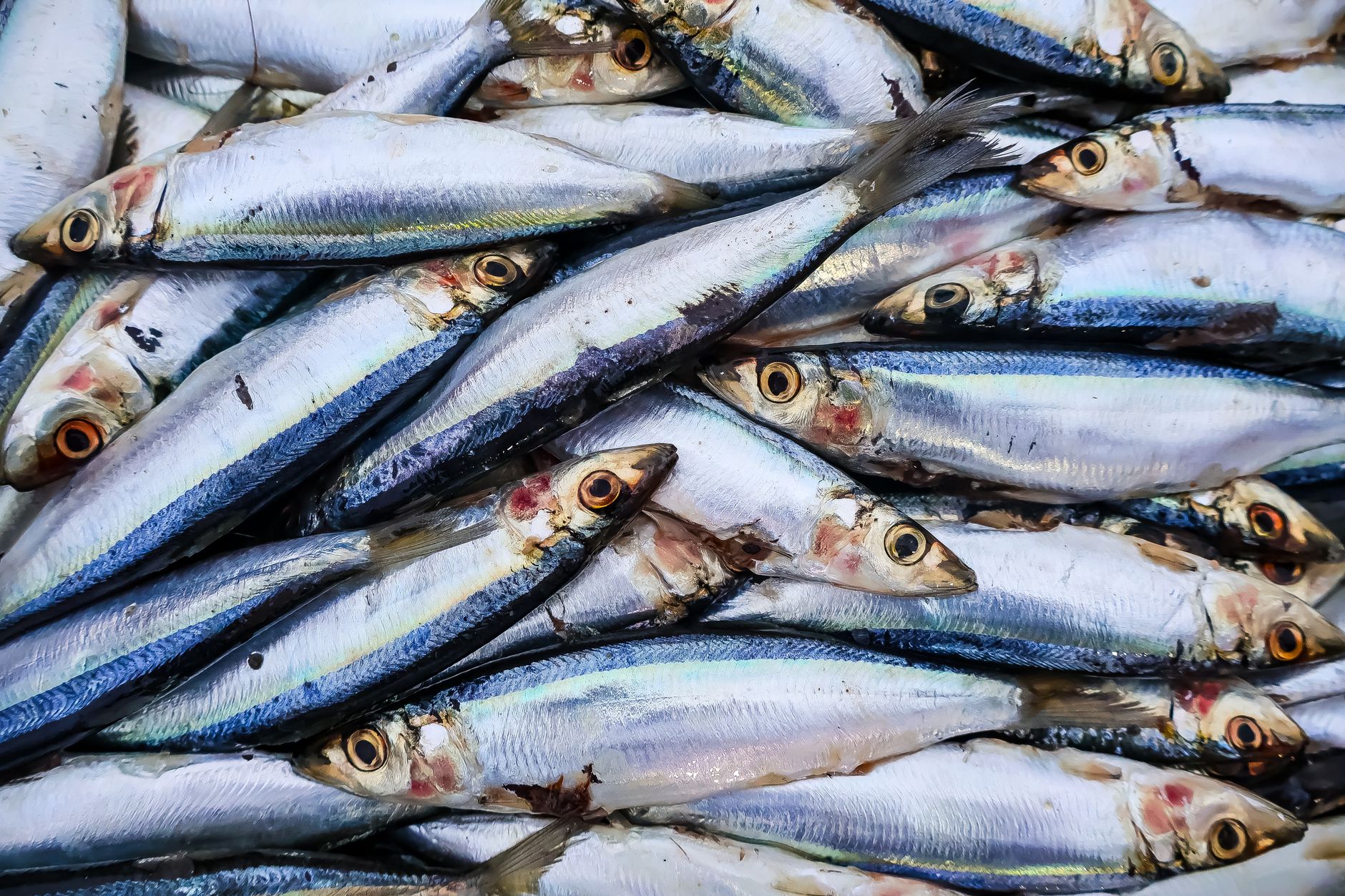
Piscivores are animals that primarily eat fish. Identifying the major piscivores helps us understand the food web’s structure and the energy flow within aquatic environments. These fish often possess specialized adaptations that aid in their hunting, such as sharp teeth, streamlined bodies for speed, and cryptic coloration for camouflage. Here are some prominent examples:
- Sharks: Various shark species, including the Great White and Tiger shark, are apex predators known for consuming a wide range of fish.
- Tuna: These fast-swimming fish are active hunters, preying on smaller schooling fish like sardines and anchovies.
- Grouper: Groupers are ambush predators that lie in wait for unsuspecting prey to swim by.
- Barracuda: Known for their speed and sharp teeth, barracudas are formidable predators of smaller fish.
- Pike: Found in freshwater environments, pike are ambush predators that feed on a variety of fish.
- Largemouth Bass: Another freshwater predator, the Largemouth Bass, preys on smaller fish, insects, and crustaceans.
Hunting Strategies of Predatory Fish
Predatory fish have evolved a wide range of hunting strategies to capture their prey. These strategies depend on the fish’s physical characteristics, habitat, and the type of prey they target.
- Ambush Predation: This strategy involves lying in wait for prey to come within striking distance. Groupers and Scorpionfish are excellent examples of ambush predators, using camouflage to blend in with their surroundings.
- Pursuit Predation: Pursuit predators actively chase their prey. Tuna and Barracuda, with their streamlined bodies and powerful tails, are built for speed and can pursue prey over long distances.
- Stalking: Some predators, like certain types of herons found near freshwater environments, slowly approach their prey, using stealth and camouflage to get close enough to strike.
- Luring: Anglerfish use a bioluminescent lure to attract prey, demonstrating a fascinating adaptation for deep-sea hunting.
- Filter Feeding (Indirect): While not directly preying on individual small fish, some large fish such as whale sharks and manta rays consume zooplankton which, in turn, consume small fish larvae.
Role of Piscivores in Ecosystem Health
Piscivores play a vital role in maintaining the health and balance of aquatic ecosystems. They help regulate populations of smaller fish, preventing any single species from becoming dominant and potentially disrupting the food web. By controlling prey populations, they also indirectly influence the abundance of other organisms in the ecosystem.
- Population Control: Piscivores prevent overpopulation of smaller fish, which can lead to depletion of resources and habitat degradation.
- Regulation of Food Web: By preying on smaller fish, piscivores influence the abundance of algae-eating fish and thus can control algal blooms.
- Natural Selection: Predation drives natural selection, favoring prey fish with better camouflage, speed, or other survival adaptations.
Potential Impacts of Overfishing Piscivores
Overfishing of piscivorous fish can have cascading effects throughout the entire ecosystem. Removing these top predators can lead to an increase in the populations of their prey, which in turn can deplete lower trophic levels. This can disrupt the food web and lead to imbalances in the ecosystem. Understanding which fish eat small fish is vital for responsible fisheries management.
- Trophic Cascade: Removal of top predators can trigger a trophic cascade, where changes at the top of the food web ripple down to lower levels.
- Algal Blooms: Increased populations of smaller fish can lead to overgrazing of algae-eating fish, resulting in algal blooms that can harm aquatic life.
- Loss of Biodiversity: Disruptions to the food web can lead to a loss of biodiversity as certain species become dominant while others decline.
FAQs: Understanding Fish Predation
What is a piscivore?
A piscivore is an animal whose diet primarily consists of fish. Many fish species, marine mammals, birds, and reptiles can be classified as piscivores. The term emphasizes a reliance on fish as a primary food source.
Are all sharks piscivores?
No, not all sharks are piscivores. While many sharks, such as the Great White and Tiger Shark, primarily eat fish, others have more diverse diets. Some sharks, like the Whale Shark and Basking Shark, are filter feeders that consume plankton. The dietary habits of sharks vary greatly depending on the species.
Do freshwater fish also eat smaller fish?
Yes, freshwater environments also have piscivorous fish. Species like Pike, Largemouth Bass, and various types of catfish are known to prey on smaller fish in freshwater ecosystems. These predators play a crucial role in regulating freshwater fish populations.
How do fish locate their prey in murky water?
Fish use a variety of sensory mechanisms to locate prey in murky water. Some rely on their sense of smell, detecting chemicals released by prey. Others use lateral lines, which are sensory organs that detect vibrations in the water. These adaptations allow them to hunt effectively even in low-visibility conditions.
What is the role of camouflage in fish predation?
Camouflage plays a critical role for both predators and prey. Predators like Groupers and Scorpionfish use camouflage to blend in with their surroundings, allowing them to ambush unsuspecting prey. Prey fish use camouflage to avoid detection by predators. Effective camouflage can significantly increase the chances of survival for both predator and prey.
Do all fish eat small fish at some point in their lives?
Many fish, even those that are primarily herbivores or omnivores as adults, may consume small fish or fish larvae during their early life stages. This is because young fish require a high-protein diet to support their rapid growth. Dietary habits can change significantly as fish mature.
How does pollution affect fish predation?
Pollution can have various negative impacts on fish predation. Pollutants can impair a fish’s sensory abilities, making it harder for them to find prey. Pollution can also reduce the abundance of prey fish, leading to starvation for predators. Pollution can disrupt the delicate balance of predator-prey relationships.
Can changes in water temperature affect fish predation?
Yes, changes in water temperature can affect fish predation. Temperature can influence a fish’s metabolism, activity level, and distribution. Warmer temperatures may increase a fish’s metabolic rate, leading to increased feeding activity. However, extreme temperature changes can also stress fish and make them more vulnerable to predation. Water temperature plays a crucial role in fish behavior and ecology.
What are some common adaptations that allow fish to be good predators?
Common adaptations that allow fish to be good predators include sharp teeth, streamlined bodies for speed, camouflage, and specialized sensory organs for detecting prey. Some predators also have venomous spines or lures to aid in capturing prey. These adaptations have evolved over time to improve hunting success.
How does the size of a fish influence its role as a predator or prey?
Generally, larger fish are more likely to be predators, while smaller fish are more likely to be prey. However, this is not always the case. Some small fish are aggressive predators of even smaller organisms, while some large fish are primarily filter feeders. Size is an important factor, but not the only determinant of a fish’s trophic role.
What are some examples of fish that eat mostly other fish eggs?
While not directly “small fish,” fish eggs are a crucial part of the ecosystem. Some fish, like certain types of gobies and some introduced species, specialize in eating the eggs of other fish. This can have devastating impacts on the populations of the fish whose eggs are targeted. Egg predation is an important aspect of aquatic food webs.
Why is it important to study which fish eat small fish?
Studying which fish eat small fish is crucial for understanding the dynamics of aquatic ecosystems and managing fisheries sustainably. By understanding predator-prey relationships, we can better predict the impacts of fishing, pollution, and climate change on fish populations and overall ecosystem health. This knowledge is essential for conservation and responsible resource management.