

Which Fish Can Survive in Dirty Water?
The ability to tolerate polluted aquatic environments varies greatly among fish species. Several hardy fish species, including mosquito fish, goldfish, and carp, possess remarkable adaptations that allow them to survive in dirty water, where others perish.
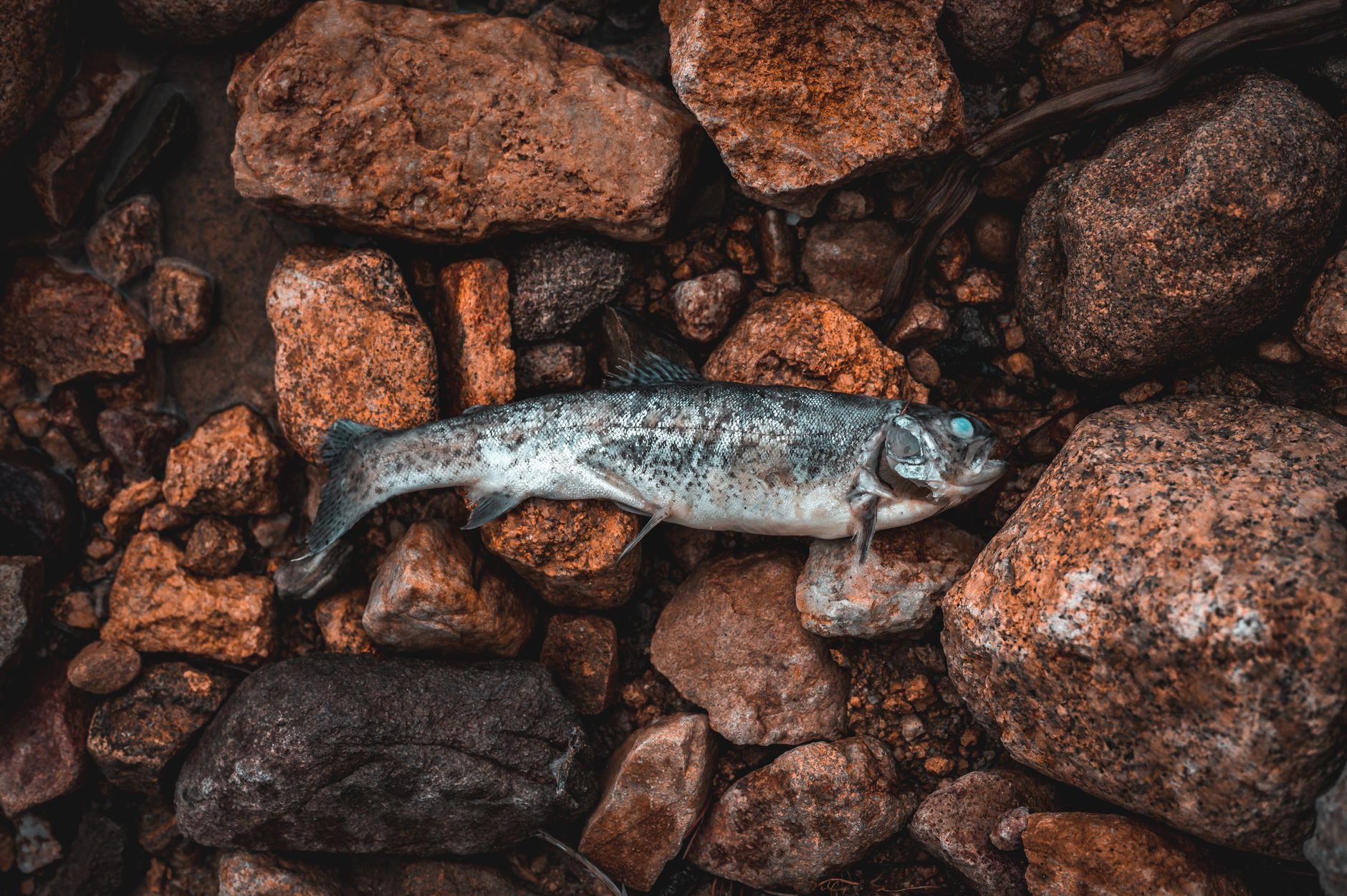
Understanding “Dirty Water”
The term “dirty water” encompasses a range of environmental conditions that deviate significantly from pristine aquatic habitats. These conditions often include:
- High levels of pollutants: Industrial discharge, agricultural runoff, and untreated sewage contribute to elevated concentrations of heavy metals, pesticides, herbicides, and other toxic substances.
- Reduced oxygen levels (hypoxia): Organic matter decomposition consumes oxygen, creating hypoxic conditions, particularly in stagnant or poorly circulated waters.
- Increased turbidity: Suspended particles (sediment, algae) reduce light penetration, impacting photosynthesis and visibility for fish.
- Elevated nutrient levels (eutrophication): Excessive nutrients, such as nitrogen and phosphorus, fuel algal blooms, which can lead to oxygen depletion upon their decomposition.
- Temperature fluctuations: Industrial cooling water and climate change can cause rapid and extreme temperature variations that stress aquatic organisms.
Understanding these components of “dirty water” is crucial to understanding which fish can survive in dirty water.
What fish is Flo?
How intelligent are fish?
Are fish heads good for the garden?
What is cotton rot in fish?
Adaptations for Survival

Fish that thrive in polluted environments possess a variety of physiological and behavioral adaptations that enable them to cope with the challenges posed by “dirty water.” Some key adaptations include:
- Tolerance to low oxygen: Some fish species, like carp, can tolerate extremely low dissolved oxygen levels by employing anaerobic metabolic pathways. They can extract more oxygen from the water through highly efficient gills.
- Detoxification mechanisms: Specialized enzymes in the liver and other organs allow fish to break down and eliminate toxins from their bodies.
- Habitat selection: Mosquito fish, for instance, often seek out areas with higher oxygen concentrations near the surface of the water.
- Feeding strategies: Opportunistic feeders can exploit a wider range of food sources, including detritus and algae, which may be more abundant in polluted waters.
- High reproductive rates: Rapid reproduction allows populations to recover quickly after environmental disturbances.
Key Species that Can Survive in Dirty Water
Several species exhibit notable resilience to polluted aquatic environments.
- Mosquito fish (Gambusia affinis): These small fish are renowned for their tolerance of poor water quality and are often used in mosquito control programs.
- Goldfish (Carassius auratus): As a domesticated species, goldfish have adapted to a wide range of environmental conditions, including moderately polluted waters.
- Carp (Cyprinus carpio): Carp are highly adaptable and can tolerate low oxygen levels, high turbidity, and a variety of pollutants.
- Catfish (various species): Some catfish species are bottom dwellers that can tolerate low oxygen conditions and high levels of organic matter.
- Eels (Anguilla rostrata): Eels are remarkably tolerant of pollution and can even survive in heavily contaminated sediments.
The Environmental Cost
While some fish can survive in dirty water, it is crucial to remember that pollution negatively impacts aquatic ecosystems as a whole. Even tolerant species may experience reduced growth rates, reproductive impairments, and increased susceptibility to disease. Furthermore, pollution can lead to the loss of biodiversity and the disruption of food webs.
The long-term solution is not to find which fish can survive in dirty water, but to prioritize water quality management and pollution prevention.
| Species | Oxygen Tolerance | Pollution Tolerance | Habitat | Feeding Habits |
|---|---|---|---|---|
| Mosquito Fish | Moderate | High | Surface Waters | Insects, Algae |
| Goldfish | Moderate | Moderate | Variable | Omnivorous |
| Carp | High | High | Bottom Dwellers | Detritus, Insects |
| Catfish | Moderate | Moderate | Bottom Dwellers | Omnivorous, Scavenging |
| Eels | High | High | Sediments | Carnivorous, Opportunistic |
The Role of Human Intervention
Understanding which fish can survive in dirty water helps in ecosystem monitoring and restoration. Selecting and introducing tolerant species in polluted areas may assist in bioremediation. However, this strategy should be carefully implemented, as introduced species can sometimes become invasive and disrupt native ecosystems. The primary focus must always remain on preventing pollution at its source.
Common Mistakes
Misconceptions about pollution tolerance can lead to poor management practices. For instance, assuming that a tolerant species will thrive in severely polluted conditions without any negative impacts is inaccurate. It’s vital to recognize that even tolerant species have their limits. Similarly, relying solely on tolerant species to solve pollution problems without addressing the root causes is an unsustainable approach.
Benefits of Studying Pollution-Tolerant Fish
Studying which fish can survive in dirty water provides valuable insights into:
- Pollution monitoring: The presence or absence of certain species can serve as an indicator of water quality.
- Ecosystem health assessment: The condition of pollution-tolerant fish populations can reflect the overall health of an aquatic ecosystem.
- Bioremediation strategies: Understanding the mechanisms by which tolerant species detoxify pollutants can inform the development of bioremediation technologies.
- Evolutionary adaptation: Studying the genetic adaptations of tolerant species can shed light on the evolutionary processes that enable organisms to cope with environmental stress.
Frequently Asked Questions (FAQs)
Are there any fish that actually prefer dirty water?
No, no fish prefers dirty water. While some species tolerate it better than others, all fish thrive in clean, oxygen-rich environments. The species listed in this article are tolerant and able to survive, not to flourish, in poor conditions.
Can “dirty water” kill these tolerant fish?
Yes, even tolerant species have their limits. Extremely high levels of pollution, severe oxygen depletion, or sudden changes in water chemistry can overwhelm their detoxification mechanisms and lead to mortality.
Are mosquito fish safe to introduce into any body of water?
While mosquito fish are often used for mosquito control, introducing them into non-native environments can have negative consequences. They can compete with native fish species and disrupt the ecosystem. Always consult with local wildlife authorities before introducing any fish species.
Do goldfish need clean water if they can survive in dirty water?
While goldfish can tolerate moderately polluted water, they thrive in clean, well-oxygenated water. Keeping them in dirty water can lead to stress, disease, and a shortened lifespan. Always provide them with a clean and appropriately sized aquarium.
Is it ethical to keep fish in dirty water just because they can survive it?
No, it is not ethical. Animal welfare should always be a priority. Even if a fish can survive in dirty water, it doesn’t mean it is living a healthy or comfortable life.
What specific pollutants are these tolerant fish able to handle?
Tolerant fish can handle a variety of pollutants, including some heavy metals, pesticides, and organic matter. However, the specific tolerance level varies depending on the species and the type of pollutant. Studies on particular substances like cadmium and lead show varying impacts.
How do these fish detoxify pollutants?
These fish have specialized enzymes in their liver, kidneys, and gills that break down and eliminate toxins. They also possess mechanisms to prevent the absorption of pollutants across their gills. Metallothioneins, for example, are proteins that bind to heavy metals.
Can pollution-tolerant fish be used to clean up polluted waters?
Yes, to some extent. They can contribute to bioremediation by consuming organic matter, filtering particles, or accumulating pollutants in their tissues. However, this approach is not a complete solution and should be combined with other pollution control measures. This process is called phytoremediation when plants are used. When fish are used, it could be called “zooremediation” although this term is not widely used.
Are there any downsides to eating fish from polluted waters, even if they seem healthy?
Yes. Even if a fish appears healthy, it may have accumulated pollutants in its tissues. Consuming these fish can expose humans to harmful toxins, such as mercury and PCBs. It’s generally best to avoid eating fish from known polluted waters.
How can I tell if a fish is living in polluted water?
Signs of pollution include abnormal behavior, stunted growth, lesions on the skin, and deformities. Water testing can also reveal the presence of pollutants. Observation of water clarity, odor, and the presence of other aquatic life are also indicators.
What can I do to help reduce water pollution?
There are many things you can do, including reducing your use of pesticides and fertilizers, properly disposing of hazardous waste, conserving water, and supporting organizations that work to protect water quality. Minimizing your use of single-use plastics helps.
Are there any new technologies being developed to help fish survive in polluted waters?
Research is ongoing to develop technologies that can remove pollutants from water and improve habitat conditions. These technologies include constructed wetlands, bioreactors, and advanced filtration systems. Genetic engineering to enhance pollution tolerance in fish is also being explored, but is currently highly controversial.