
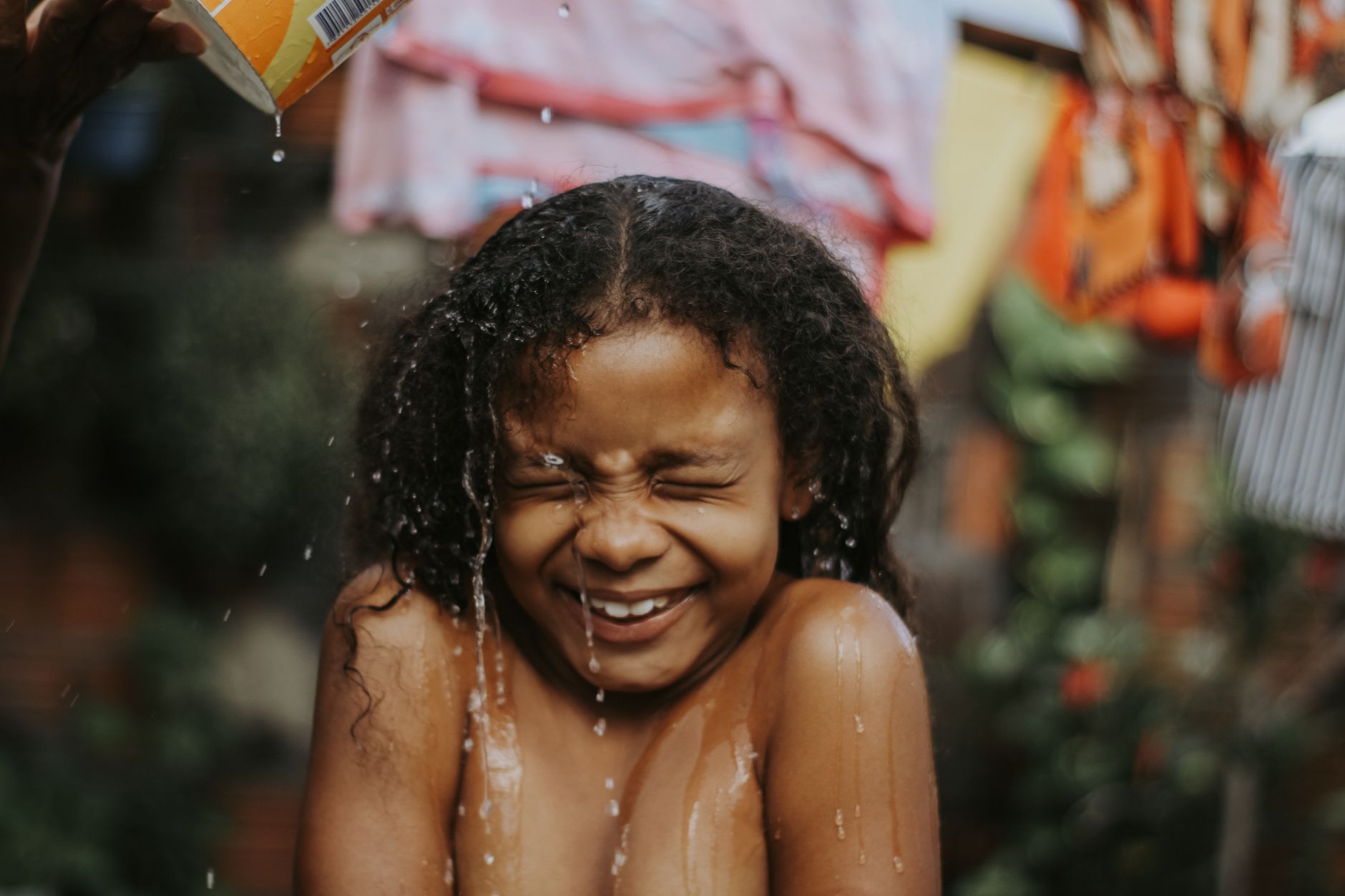
Which Country Bathes the Most? A Deep Dive into Global Hygiene Habits
Discover which country bathes the most and delve into the cultural, environmental, and economic factors influencing bathing habits worldwide; it’s not always who you expect!

Introduction: Beyond Cleanliness – Exploring Global Bathing Habits
The simple act of bathing varies dramatically across the globe, influenced by climate, cultural norms, access to resources, and economic development. Understanding which country bathes the most requires a nuanced examination beyond surface-level perceptions of hygiene. It is a reflection of deeply rooted traditions, environmental realities, and economic capabilities. This exploration reveals fascinating insights into human behavior and the diverse ways societies approach personal cleanliness. We’ll examine not just the frequency of bathing, but also the methods used and the underlying reasons behind those choices.
What is the GREY African clawed frog?
Is distilled water good for goldfish?
Can you put your finger in a trout's mouth?
Is methylene blue anti bacterial?
The Surprising Leader: Brazil

Often cited as which country bathes the most, Brazil consistently ranks high in studies on bathing frequency. Various surveys and research indicate that Brazilians, on average, bathe more frequently than people in many other nations, often more than once per day. This isn’t merely a matter of preference; it’s deeply intertwined with the Brazilian climate and culture.
Factors Influencing Bathing Frequency in Brazil
Several factors contribute to Brazil’s leading position:
- Tropical Climate: The hot and humid climate prevalent in much of Brazil makes frequent bathing a necessity for comfort and hygiene. The heat promotes sweating, making people feel unclean quickly.
- Cultural Emphasis on Cleanliness: Brazilians generally place a high value on personal grooming and cleanliness. Bathing is not just about hygiene; it’s also a social norm and a way to feel refreshed and presentable.
- Affordability of Water: While water scarcity is a growing concern globally, in many parts of Brazil, water is relatively affordable, allowing for frequent use.
Beyond Brazil: Contenders for Cleanliness
While Brazil frequently tops the list, other countries also boast high bathing frequencies:
- Colombia: Similar to Brazil, Colombia experiences a warm climate and a cultural emphasis on personal grooming, contributing to frequent bathing habits.
- Indonesia: With its tropical climate and high population density, Indonesia also sees frequent bathing as a common practice.
- Mexico: While not as universally frequent as Brazil or Colombia, bathing habits are generally more frequent than in many European or North American countries.
Measuring Bathing Frequency: Challenges and Methodologies
Determining which country bathes the most involves significant challenges:
- Survey Bias: Self-reported data can be influenced by social desirability bias, where individuals may overreport their bathing frequency to appear more hygienic.
- Definition of “Bathing”: What constitutes a “bath” varies. Is it a full shower, a quick rinse, or a sponge bath? Standardizing this definition is crucial.
- Regional Variations: Within a country, bathing habits can vary significantly based on climate, access to water, and cultural practices.
- Data Collection Methods: Different methodologies, such as surveys, observational studies, and market research, can yield varying results.
The Environmental Impact of Bathing Habits
Increased bathing frequency has environmental implications:
- Water Consumption: Frequent bathing consumes significant amounts of water, especially in regions facing water scarcity.
- Energy Consumption: Heating water for showers requires energy, often derived from fossil fuels, contributing to carbon emissions.
- Wastewater Treatment: Increased wastewater volumes place a strain on treatment facilities and can lead to pollution if not properly managed.
- Soap and Shampoo Usage: The chemicals in soaps and shampoos can pollute waterways and harm aquatic life.
Balancing Hygiene and Sustainability: A Global Challenge
Finding a balance between maintaining personal hygiene and minimizing environmental impact is a global challenge. Sustainable bathing practices include:
- Shorter Showers: Reducing shower time significantly conserves water and energy.
- Water-Efficient Showerheads: Low-flow showerheads can reduce water consumption without sacrificing water pressure.
- Using Eco-Friendly Soaps and Shampoos: Choosing biodegradable and non-toxic products minimizes environmental pollution.
- Conserving Water Heating: Insulating water heaters and using solar water heating systems can reduce energy consumption.
Cultural Perceptions of Cleanliness: A Comparative Perspective
Cultural perceptions of cleanliness vary widely:
- East Asia: In some East Asian cultures, bathing is often seen as a relaxing and therapeutic ritual, with a greater emphasis on soaking in hot water.
- Europe: Bathing habits in Europe vary significantly by region, with some countries placing a higher value on daily showers than others.
- North America: Bathing habits in North America tend to be fairly frequent, driven by cultural norms and marketing campaigns promoting cleanliness.
Economic Factors Influencing Bathing Habits
Economic factors play a significant role in determining bathing frequency:
- Access to Water: In developing countries where access to clean water is limited, bathing frequency may be lower due to scarcity.
- Affordability of Water: The cost of water can influence how often people bathe, especially in low-income communities.
- Availability of Bathing Facilities: Access to showers and bathtubs is more common in developed countries, facilitating more frequent bathing.
Alternatives to Bathing: Cultural and Practical Considerations
In some cultures or situations where bathing is difficult, alternatives are used:
- Sponge Baths: Using a wet cloth to wash the body.
- Dry Shampoo: Absorbing oil and dirt from the hair without water.
- Hand Washing: Frequently washing hands to prevent the spread of germs.
- Localized Washing: Focusing on washing specific areas of the body that are prone to sweating or dirt accumulation.
Future Trends in Bathing Habits: Sustainability and Technology
Future trends in bathing habits are likely to be influenced by:
- Increased Awareness of Water Conservation: Growing awareness of water scarcity will likely lead to more sustainable bathing practices.
- Technological Innovations: Development of water-saving technologies, such as self-cleaning showers and water recycling systems.
- Cultural Shifts: Changing cultural norms regarding cleanliness and hygiene, potentially driven by environmental concerns.
Conclusion: A Multifaceted Perspective on Global Hygiene
Determining which country bathes the most is not a straightforward task. It requires considering climate, culture, economics, and environmental factors. While Brazil is often cited as the leader, the reality is a complex interplay of various influences. Ultimately, understanding global bathing habits offers a fascinating glimpse into human behavior and the diverse ways societies approach personal cleanliness in a changing world.
Frequently Asked Questions (FAQs)
Which factors contribute most to Brazil being considered the country that bathes the most?
The primary factors are Brazil’s tropical climate, which necessitates frequent bathing for comfort, and its deeply ingrained cultural emphasis on cleanliness. The relative affordability of water in many regions also contributes.
Are there reliable global statistics on bathing frequency?
Reliable global statistics on bathing frequency are difficult to obtain due to survey bias, varying definitions of “bathing,” and regional variations within countries. Most data relies on self-reported information, which can be subjective.
How does climate influence bathing habits?
Hot and humid climates, like those found in Brazil and Southeast Asia, lead to increased sweating and discomfort, driving people to bathe more frequently for hygiene and comfort.
Is bathing more than once a day necessary for good hygiene?
While bathing more than once a day is common in some cultures, it is not strictly necessary for good hygiene. Once a day is typically sufficient unless engaged in strenuous activity. Excessive bathing can strip the skin of natural oils.
What are the environmental consequences of frequent bathing?
Frequent bathing leads to increased water consumption, higher energy usage for heating water, and greater strain on wastewater treatment facilities, contributing to environmental pollution.
How can I reduce my environmental impact while maintaining good hygiene?
You can reduce your impact by taking shorter showers, using water-efficient showerheads, opting for eco-friendly soaps and shampoos, and conserving water heating.
Do cultural norms play a significant role in bathing frequency?
Yes, cultural norms play a very significant role. Some cultures prioritize daily bathing for social acceptance, while others emphasize different aspects of cleanliness.
Is there a connection between economic development and bathing frequency?
There is a connection. In developing countries, limited access to clean water and the affordability of water can restrict bathing frequency, while developed countries generally have greater access to facilities and resources.
What are some alternatives to traditional bathing when water is scarce?
Alternatives include sponge baths, using dry shampoo, hand washing, and focusing on washing specific areas of the body to maintain hygiene while conserving water.
How are bathing habits likely to change in the future?
Future bathing habits will likely be influenced by increased awareness of water conservation, technological innovations in water-saving devices, and cultural shifts towards more sustainable practices.
Are there health risks associated with bathing too frequently?
Yes, bathing too frequently can strip the skin of natural oils, leading to dryness, irritation, and increased susceptibility to infections. It’s essential to find a balance that suits your skin type and environment.
Which country bathes the most and what are the implications for water conservation efforts globally?
While determining which country bathes the most is challenging with definitive data, the implications of widespread frequent bathing practices on water conservation are significant. It highlights the need for promoting water-saving bathing practices globally to mitigate the environmental impact of personal hygiene.