

Which Animal is Tiger Scared Of?
While apex predators like tigers are formidable, they aren’t invincible. The animal that truly inspires fear in a tiger is not a single species, but rather a larger group of animals: humans.
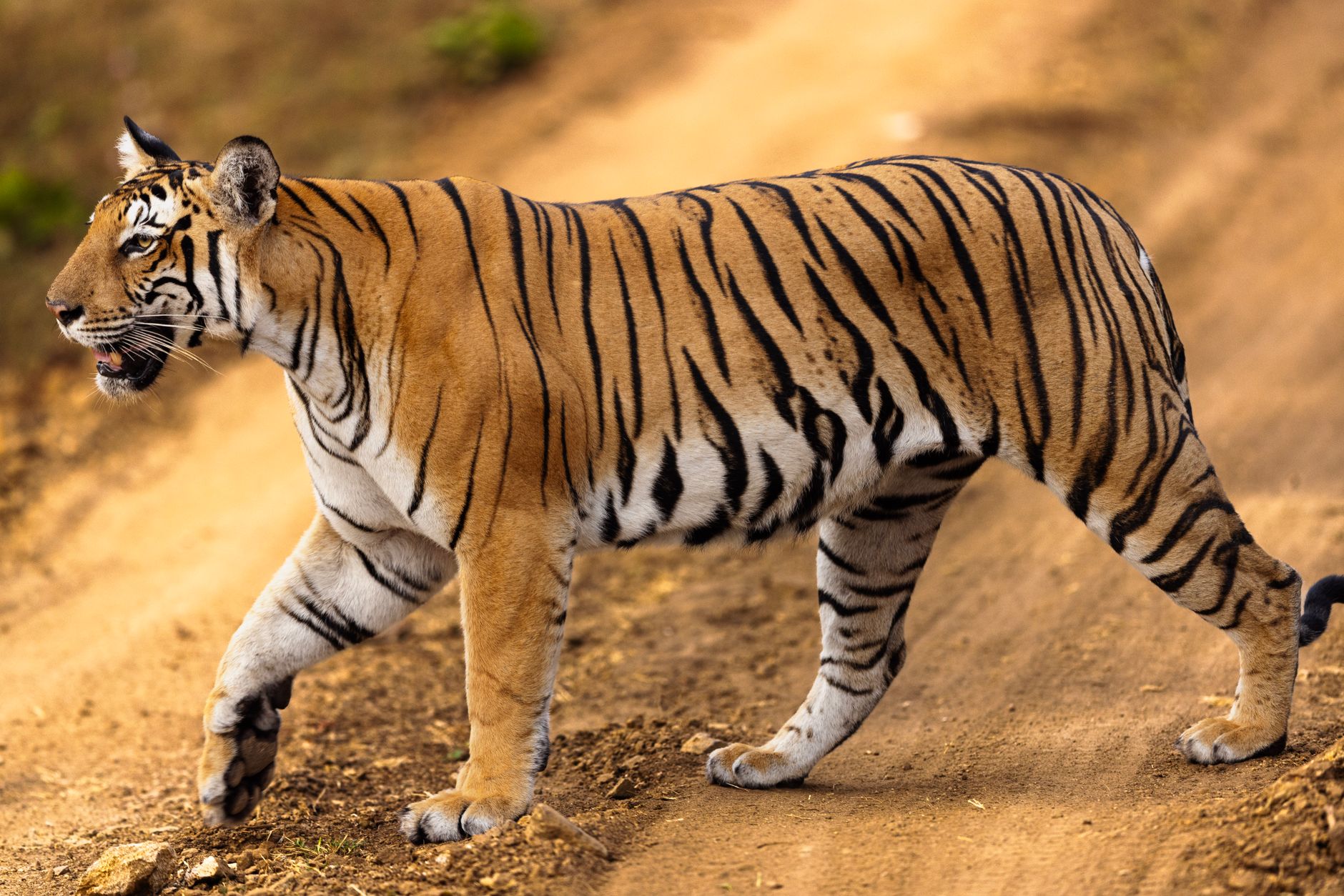
Understanding the Apex Predator
The tiger, a magnificent creature of the Felidae family, sits atop the food chain in many ecosystems. Renowned for their power, agility, and hunting prowess, tigers command respect and inspire awe. Their stripes offer camouflage in dense vegetation, aiding in ambushing prey. This makes understanding which animal is tiger scared of? a more complex question than it initially seems.

Is distilled water good for goldfish?
What colours are fish most attracted to?
Can you put your finger in a trout's mouth?
Is methylene blue anti bacterial?
Tigers and Their Prey

Tigers primarily prey on large ungulates such as deer, wild boar, and buffalo. They are opportunistic hunters, occasionally taking smaller animals like monkeys, birds, and even fish. The success of a tiger’s hunt depends on various factors, including prey availability, the tiger’s health, and environmental conditions. They are adept at adapting to diverse landscapes, from the snow-covered Siberian forests to the lush tropical jungles of India.
The Threat from Humans
Despite their position at the top of the food chain, tigers face a significant threat: humans. This answers the core question of which animal is tiger scared of?. Human activities such as habitat destruction, poaching, and conflict situations lead to fear and avoidance behaviors in tigers.
- Habitat Loss: Deforestation and land conversion for agriculture and urbanization reduce the tiger’s hunting grounds, forcing them into closer proximity to human settlements.
- Poaching: The demand for tiger parts in traditional medicine and the illegal wildlife trade drives poaching, directly threatening tiger populations.
- Human-Wildlife Conflict: As tigers lose their natural habitats, they are forced to prey on livestock, leading to retaliatory killings by humans protecting their livelihoods.
Beyond Direct Threat: Competing Predators
While humans pose the most pervasive fear, certain other animals can influence a tiger’s behavior and even pose a localized threat.
- Dholes (Asiatic Wild Dogs): Although individually smaller, dholes hunt in packs and can overwhelm a tiger, especially if it is injured or defending its kill. They often harass tigers, forcing them to abandon their prey.
- Bears: In regions where tigers and bears coexist (e.g., Siberia), confrontations can occur. Large brown bears or Himalayan black bears are powerful and can sometimes successfully defend themselves against a tiger. A tiger might avoid an area where bears are abundant.
- Other Tigers: Territorial disputes among tigers can be fierce, sometimes resulting in serious injury or death. A weaker or younger tiger might certainly be “scared of” a dominant individual in its territory.
The Role of Fear in Tiger Conservation
Understanding which animal is tiger scared of? is crucial for conservation efforts. By addressing the root causes of human-tiger conflict, such as habitat loss and poaching, we can reduce the fear that tigers associate with humans and promote coexistence. Conservation strategies include:
- Habitat Protection and Restoration: Preserving and restoring tiger habitats is essential for ensuring their long-term survival.
- Anti-Poaching Measures: Strengthening anti-poaching patrols and cracking down on the illegal wildlife trade can protect tigers from direct threats.
- Community Engagement: Involving local communities in conservation efforts can foster a sense of ownership and reduce human-wildlife conflict.
- Corridor Development: Creating corridors that connect fragmented tiger habitats allows tigers to move freely and reduces the risk of inbreeding.
The Future of Tigers
The future of tigers depends on our ability to mitigate the threats they face, particularly the fear instilled by humans. By implementing effective conservation strategies and promoting coexistence, we can ensure that these magnificent creatures continue to roam the wild for generations to come.
Frequently Asked Questions
What is the main reason tigers are afraid of humans?
The main reason tigers are afraid of humans stems from the real threat posed by habitat destruction, poaching, and human-wildlife conflict. These factors have created a learned association between humans and danger.
Are tigers afraid of all humans?
Not necessarily. Tigers living in protected areas where they rarely encounter humans may exhibit less fear. However, negative interactions generally lead to increased fear and avoidance behaviors toward all humans.
How do humans contribute to habitat loss for tigers?
Humans contribute to habitat loss through deforestation for agriculture, urbanization, logging, and infrastructure development. This shrinks the available range for tigers and their prey.
What makes poaching a major threat to tigers?
Poaching is driven by the high demand for tiger parts in traditional medicine and the illegal wildlife trade. This demand creates a strong incentive for poachers to kill tigers, despite the legal protections in place.
What is human-wildlife conflict, and how does it affect tigers?
Human-wildlife conflict arises when tigers prey on livestock, leading to retaliatory killings by humans. This cycle of conflict can decimate tiger populations and further instill fear of humans.
Do tigers ever attack humans unprovoked?
Unprovoked attacks are rare but can occur if a tiger is injured, defending its cubs, or has become accustomed to preying on humans due to a lack of natural prey.
Can conservation efforts reduce the fear tigers have of humans?
Yes. Effective conservation efforts that address the root causes of human-tiger conflict, such as habitat loss and poaching, can gradually reduce the fear tigers associate with humans.
Are there any animals besides humans that tigers might avoid?
Yes, tigers may avoid areas with high concentrations of dholes (Asiatic wild dogs) or bears, which can pose a localized threat or compete for resources.
How do dholes pose a threat to tigers?
Dholes hunt in packs and can overwhelm a tiger, especially if it is injured or defending its kill. They often harass tigers, forcing them to abandon their prey.
What is the role of community engagement in tiger conservation?
Community engagement is crucial for fostering a sense of ownership and reducing human-wildlife conflict. Involving local communities in conservation efforts can promote coexistence and protect tigers.
What are tiger corridors, and why are they important?
Tiger corridors are areas that connect fragmented tiger habitats, allowing tigers to move freely and reducing the risk of inbreeding. They are essential for maintaining genetic diversity and population viability.
Which animal is tiger scared of? Besides humans, are there other perceived threats?
While humans remain the primary source of fear for tigers, other perceived threats include dholes (Asiatic wild dogs) and bears, which may compete for resources or pose a physical danger, and dominant tigers within their own species, where territorial disputes occur. Ultimately, understanding which animal is tiger scared of? highlights the complexity of predator-prey relationships and the impact of human activities on wildlife.