
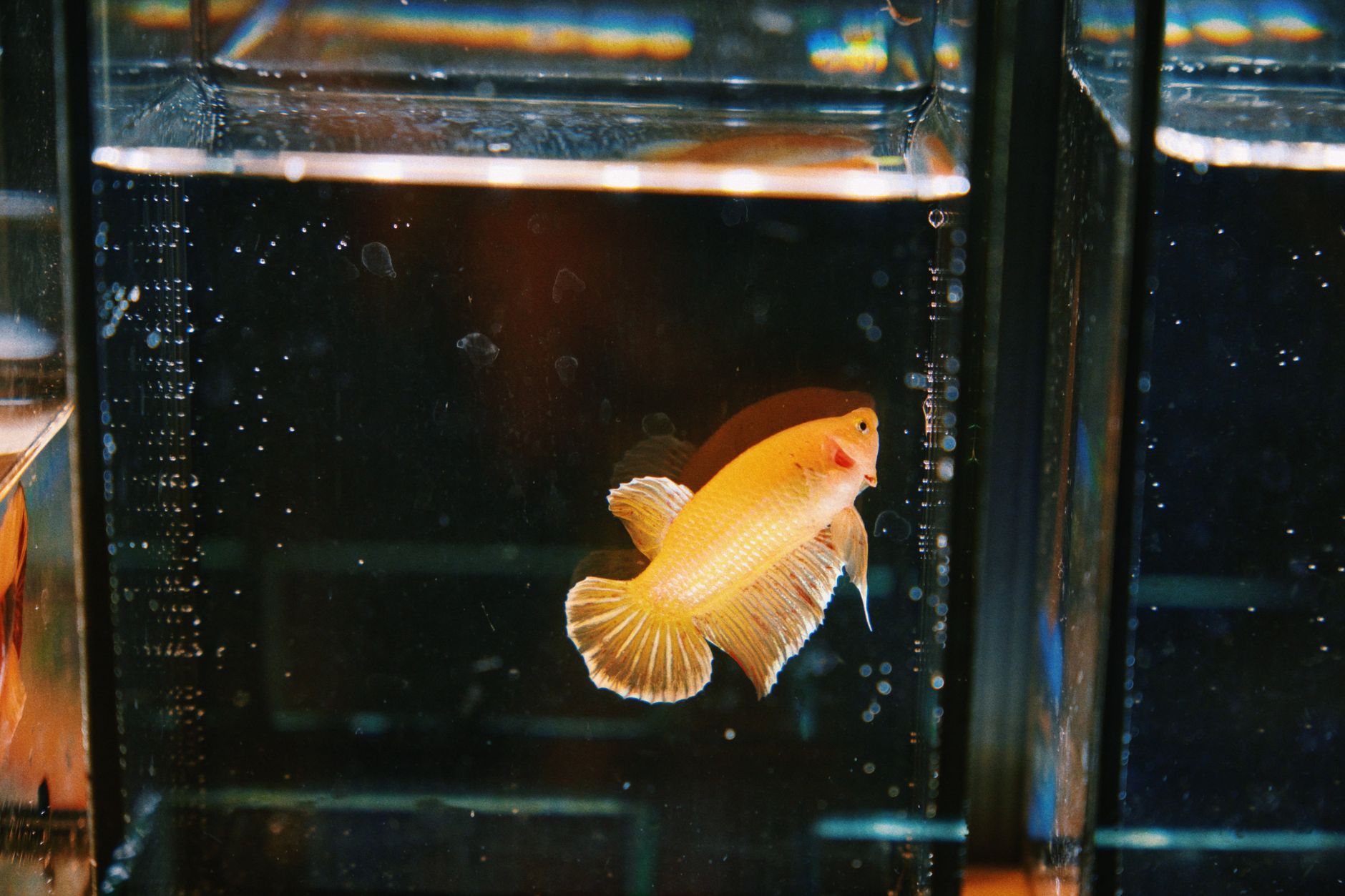
Where Do Female Bettas Lay Their Eggs? The Art of Bubble Nest Creation
Female bettas don’t actually lay their eggs; the male betta builds a bubble nest where the eggs are deposited and fertilized. After spawning, the male retrieves any stray eggs and ensures they remain safe within the nest.

Understanding the Role of the Male Betta
While this article focuses on where eggs end up, it’s crucial to understand the male betta’s crucial role in the breeding process. Where do female bettas lay their eggs? Ultimately, they lay them under a bubble nest constructed by the male. The entire breeding ritual is dependent on the male’s preparation and courtship. He initiates the process, builds the nest, and cares for the eggs and fry. Without a male actively building a bubble nest, a female betta will not have a suitable place to lay her eggs.

Is distilled water good for goldfish?
What colours are fish most attracted to?
Can you put your finger in a trout's mouth?
Is methylene blue anti bacterial?
The Bubble Nest: A Bettas’ Floating Nursery

The bubble nest is more than just a collection of bubbles; it’s a carefully constructed floating structure designed to protect the eggs and newly hatched fry. The male betta blows each bubble individually, coating it with saliva. This saliva helps the bubbles stick together and provides antimicrobial properties, protecting the developing eggs from fungal infections.
- Location: Typically near the water surface, often in a corner of the tank or beneath a floating object.
- Size: Can range from small (a few bubbles) to quite large (several inches in diameter).
- Construction: Continues throughout the spawning process, with the male diligently maintaining and repairing the nest as needed.
Spawning and Egg Placement
During spawning, the male embraces the female, turning her upside down. As he fertilizes the eggs, they sink towards the bottom of the tank. The male meticulously gathers the eggs in his mouth and spits them into the bubble nest. This process repeats until the female has released all her eggs, which can number from a few dozen to several hundred, depending on her size and age.
Factors Influencing Bubble Nest Location
Several factors can influence where a male betta chooses to build his bubble nest:
- Water Surface Stability: Bettas prefer calm water surfaces with minimal disturbance. Strong currents from filters or air stones can discourage nest building.
- Floating Objects: Plants, leaves, or even small pieces of Styrofoam can provide a foundation and anchor for the bubble nest.
- Tank Corners: Corners often offer a more sheltered and stable location for the nest.
- Water Temperature: Warmer water (around 80°F or 27°C) is generally preferred for breeding and nest building.
- Tank Size: While bettas can breed in smaller tanks, a larger tank provides more space and stability for nest construction.
Preparing for Spawning
Creating the right environment is essential for successful breeding. Here’s what to consider:
- Separate Breeding Tank: A dedicated breeding tank (5-10 gallons) is ideal.
- Soft Water: Soft, slightly acidic water is preferred.
- Low Lighting: Dim lighting can help reduce stress.
- Floating Plants: Provide cover and encourage nest building.
- No Gravel: A bare bottom makes it easier to keep the tank clean and prevents eggs from being lost.
What Happens After Spawning?
Once spawning is complete, it’s important to remove the female betta from the breeding tank. The male will now take sole responsibility for caring for the eggs and fry. He will continue to maintain the bubble nest, retrieve any fallen eggs, and protect the fry until they are free-swimming.
Common Mistakes in Betta Breeding
- Removing the Male Too Soon: Allow the male to care for the fry until they are free-swimming.
- Poor Water Quality: Maintain excellent water quality to prevent fungal infections and other problems.
- Disturbing the Nest: Avoid disturbing the bubble nest, as this can stress the male and lead to him abandoning the eggs.
- Inadequate Diet for Fry: Once the fry are free-swimming, provide them with appropriate food, such as baby brine shrimp or microworms.
Frequently Asked Questions (FAQs)
Why isn’t my male betta building a bubble nest?
Several factors can prevent a male betta from building a bubble nest, including stress, poor water quality, lack of suitable nesting sites, or simply being too young. Make sure the tank conditions are optimal and give him some time to adjust.
Can female bettas lay eggs without a male?
No, female bettas cannot lay fertilized eggs without a male. While they may develop eggs, they require fertilization from a male betta to hatch.
How long does it take for betta eggs to hatch?
Betta eggs typically hatch within 24 to 48 hours after being laid, depending on the water temperature. Warmer temperatures tend to speed up the hatching process.
What do betta eggs look like?
Betta eggs are small, round, and translucent or slightly opaque. They are usually a pale cream or yellowish color.
What should I feed baby betta fry?
Baby betta fry require very small food particles. Infusoria, microworms, and baby brine shrimp are all excellent choices.
How do I know if my betta eggs are fertilized?
Fertilized betta eggs will typically darken slightly and show signs of development within 24 hours. Unfertilized eggs will usually turn white and become opaque.
What water parameters are ideal for betta breeding?
The ideal water parameters for betta breeding are a temperature of 80-82°F (27-28°C), a pH of 6.5-7.0, and soft water.
How often can bettas breed?
Bettas can breed multiple times, but it’s important to allow the female time to recover between spawnings to prevent exhaustion and health problems. Males, too, need rest.
Can I use a regular aquarium filter during breeding?
It’s best to use a sponge filter or no filter at all during breeding, as strong currents can disrupt the bubble nest and harm the fry.
What are the signs that a female betta is ready to spawn?
Signs that a female betta is ready to spawn include a swollen abdomen, the presence of vertical barring (breeding stripes), and a willingness to follow the male.
What do I do if the male eats the eggs?
While it’s not common, a male betta may occasionally eat the eggs if he’s stressed or the water quality is poor. Ensure the environment is conducive to breeding and carefully monitor his behavior.
Is it possible to breed two female bettas together?
No, you cannot breed two female bettas together. They are not able to fertilize each other’s eggs. The question of Where do female bettas lay their eggs? only applies when a male is present.