
Where Are Pythons Most Common?
The answer to where are pythons most common is complex: they are native to Africa, Asia, and Australia, but invasive populations are thriving in places like Florida, USA. This article explores the fascinating geography of python habitats.

Introduction: Unveiling the Python’s Realm
Pythons, those impressive constrictors, are found across a vast and diverse geographical range. From the dense rainforests of Southeast Asia to the arid landscapes of Africa and Australia, these snakes have adapted to a remarkable array of environments. However, their presence isn’t limited to their native lands; human activities have led to their introduction and establishment in new territories, creating significant ecological challenges. Understanding where are pythons most common is crucial for conservation efforts and managing invasive species. This article delves into the distribution of pythons, exploring both their natural habitats and the regions where they’ve become unwelcome guests.

What is the GREY African clawed frog?
Is distilled water good for goldfish?
Can you put your finger in a trout's mouth?
Is methylene blue anti bacterial?
The Python’s Native Domain: Africa, Asia, and Australia

The python family, Pythonidae, is primarily concentrated in the Old World. Let’s examine their prevalence across these continents:
- Africa: Several python species inhabit Africa, including the African rock python (Python sebae), one of the largest snakes globally. These pythons are most commonly found in sub-Saharan Africa, thriving in various habitats such as grasslands, savannas, and forests near water sources.
- Asia: Asia boasts the highest diversity of python species. The reticulated python (Malayopython reticulatus), the world’s longest snake, is prevalent in Southeast Asia. Other notable species include the Indian python (Python molurus) found in India and surrounding countries. Habitats range from rainforests to wetlands.
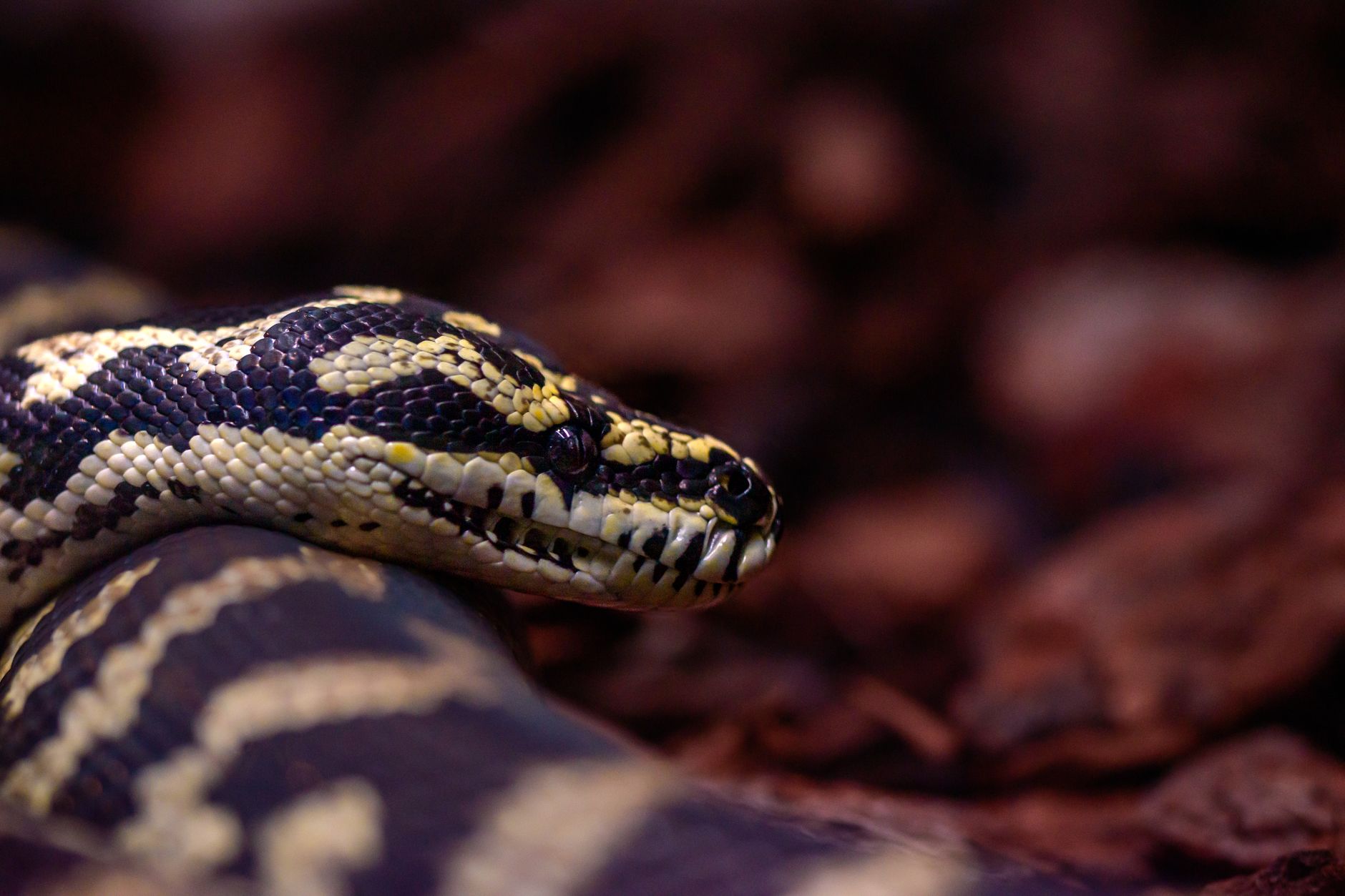
- Australia: Australia is home to several python species, including the carpet python (Morelia spilota) and the amethystine python (Morelia amethistina). These snakes occupy diverse environments, from rainforests and woodlands to scrublands and even urban areas.
The following table summarizes the main native regions and some common species:
| Continent | Common Python Species | Habitat |
|---|---|---|
| Africa | African Rock Python (Python sebae) | Grasslands, Savannas, Forests (near water) |
| Asia | Reticulated Python (Malayopython reticulatus) | Rainforests, Wetlands |
| Asia | Indian Python (Python molurus) | Forests, Grasslands, Swamps, Rocky Foothills |
| Australia | Carpet Python (Morelia spilota) | Rainforests, Woodlands, Scrublands, Urban Areas |
| Australia | Amethystine Python (Morelia amethistina) | Rainforests, Woodlands, Grasslands near water |
Invasive Pythons: A Growing Global Concern
While pythons are naturally confined to Africa, Asia, and Australia, they’ve become invasive in other regions, most notably in North America.
- Florida, USA: The Burmese python (Python bivittatus) is a prime example of an invasive species wreaking havoc on local ecosystems. Introduced primarily through the pet trade, these pythons have established a thriving population in the Florida Everglades. Their voracious appetite has led to a significant decline in native mammal populations, disrupting the delicate balance of the ecosystem. The question “Where are pythons most common” is now frequently asked in the context of Florida’s environmental challenges.
- Other Locations: Although less established than in Florida, other regions are also experiencing the presence of invasive pythons. Limited populations have been reported in other parts of the United States and even in some Caribbean islands.
The Ecological Impact of Invasive Pythons
The introduction of pythons into new environments has far-reaching consequences. Their lack of natural predators and their adaptability to different habitats allow them to thrive, often at the expense of native species.
- Predation: Pythons are opportunistic predators, consuming a wide range of animals, including birds, mammals, reptiles, and amphibians. This indiscriminate predation can lead to population declines and even local extinctions of native species.
- Competition: Invasive pythons compete with native predators for food and resources, further exacerbating the negative impact on the ecosystem.
- Ecosystem Disruption: The removal of key species by pythons can trigger cascading effects throughout the food web, leading to significant alterations in the structure and function of the ecosystem.
Conservation Efforts and Management Strategies
Addressing the threat posed by invasive pythons requires a multifaceted approach.
- Prevention: Preventing the introduction of pythons into new environments is the most effective strategy. This involves strict regulations on the pet trade, public awareness campaigns, and vigilant border control measures.
- Early Detection and Rapid Response: Early detection of new python populations is crucial for effective management. Rapid response measures, such as trapping and removal, can help to prevent the establishment of breeding populations.
- Control and Eradication: Controlling existing python populations is a challenging task. Various methods, including trapping, hunting, and the use of trained detection dogs, are employed to remove pythons from the environment. Eradication, while difficult, is the ultimate goal.
Where are Pythons Most Common in Urban Environments?
While typically associated with wilder areas, pythons, particularly carpet pythons in Australia, can also be found in urban environments. They often seek refuge in gardens, under houses, and in other sheltered areas. This adaptation to urban landscapes highlights their resilience and adaptability.
FAQ: Frequently Asked Questions About Python Habitats
Where did pythons originate?
Pythons originated in the Old World, specifically in Africa, Asia, and Australia. These continents are considered their natural habitat, where they have evolved and diversified over millions of years.
Are pythons venomous?
No, pythons are not venomous. They are constrictors, meaning they subdue their prey by wrapping around it and squeezing until it suffocates.
How big can pythons get?
The size of pythons varies depending on the species. The reticulated python (Malayopython reticulatus) is the longest snake in the world, reaching lengths of over 30 feet. The African rock python (Python sebae) can also grow to considerable sizes, exceeding 20 feet.
What do pythons eat?
Pythons are opportunistic predators, consuming a wide range of prey. Their diet includes birds, mammals, reptiles, and amphibians. Larger pythons can even prey on deer and alligators.
Why are pythons invasive in Florida?
Burmese pythons were introduced to Florida primarily through the pet trade. Escaped or released pythons found suitable habitats in the Everglades and began to reproduce, establishing a thriving invasive population.
What is being done to control pythons in Florida?
Various measures are being employed to control pythons in Florida, including trapping, hunting, and the use of trained detection dogs. There are also python removal competitions and incentives for the public to report sightings.
What are the biggest threats to pythons in their native habitats?
The biggest threats to pythons in their native habitats include habitat loss, hunting for their skin and meat, and the pet trade. These factors can lead to population declines and local extinctions.
Can pythons survive in cold climates?
Pythons are generally not well-adapted to cold climates. They are ectothermic (cold-blooded) and rely on external heat sources to regulate their body temperature. Prolonged exposure to cold temperatures can be fatal.
Are pythons dangerous to humans?
While pythons are generally not aggressive towards humans, large pythons can pose a threat, especially to small children. Fatal attacks are rare but have been documented.
How can I tell the difference between a python and other snakes?
Pythons typically have distinctive patterns and heat-sensing pits on their faces. Their large size and constricting behavior are also characteristic features. Consult a field guide or expert for accurate identification.
What should I do if I encounter a python in the wild?
If you encounter a python in the wild, it’s best to keep a safe distance and avoid approaching or disturbing it. Report the sighting to local wildlife authorities, especially if it’s in an area where pythons are not native.
Is it legal to own a python?
The legality of owning a python varies depending on the location. Some jurisdictions require permits or prohibit the ownership of certain species due to their potential danger and invasive potential. Research local regulations before acquiring a python as a pet.
This understanding of where are pythons most common – both in their natural habitats and as invasive species – is critical for conservation efforts and the management of ecosystems around the world.