
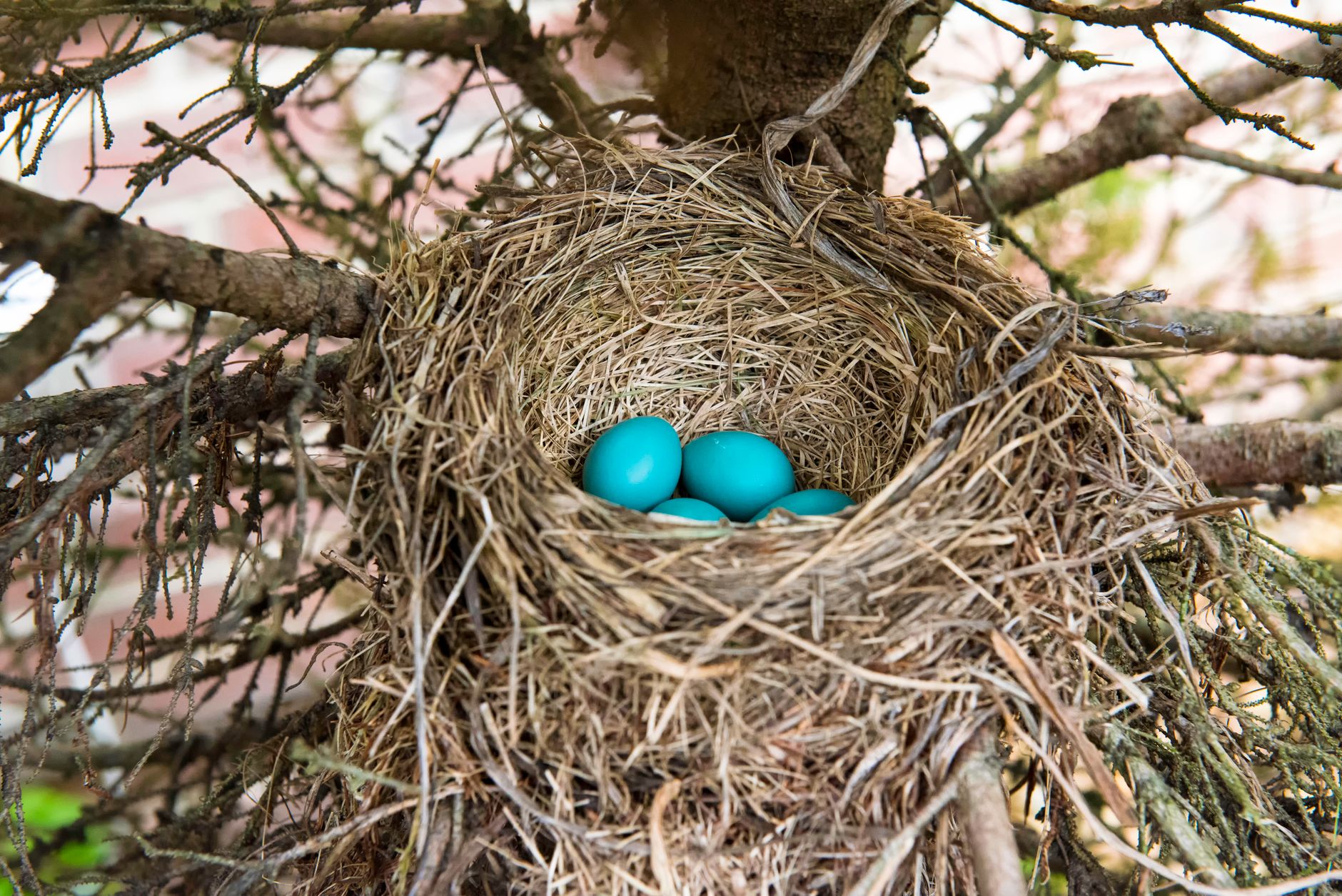
When Can I Remove a Robin’s Nest?
The legality and ethics surrounding robin nest removal are often misunderstood. You can generally only remove a robin’s nest after it is completely abandoned, ensuring that no eggs or fledglings remain, due to legal protections afforded to migratory birds and their active nests.
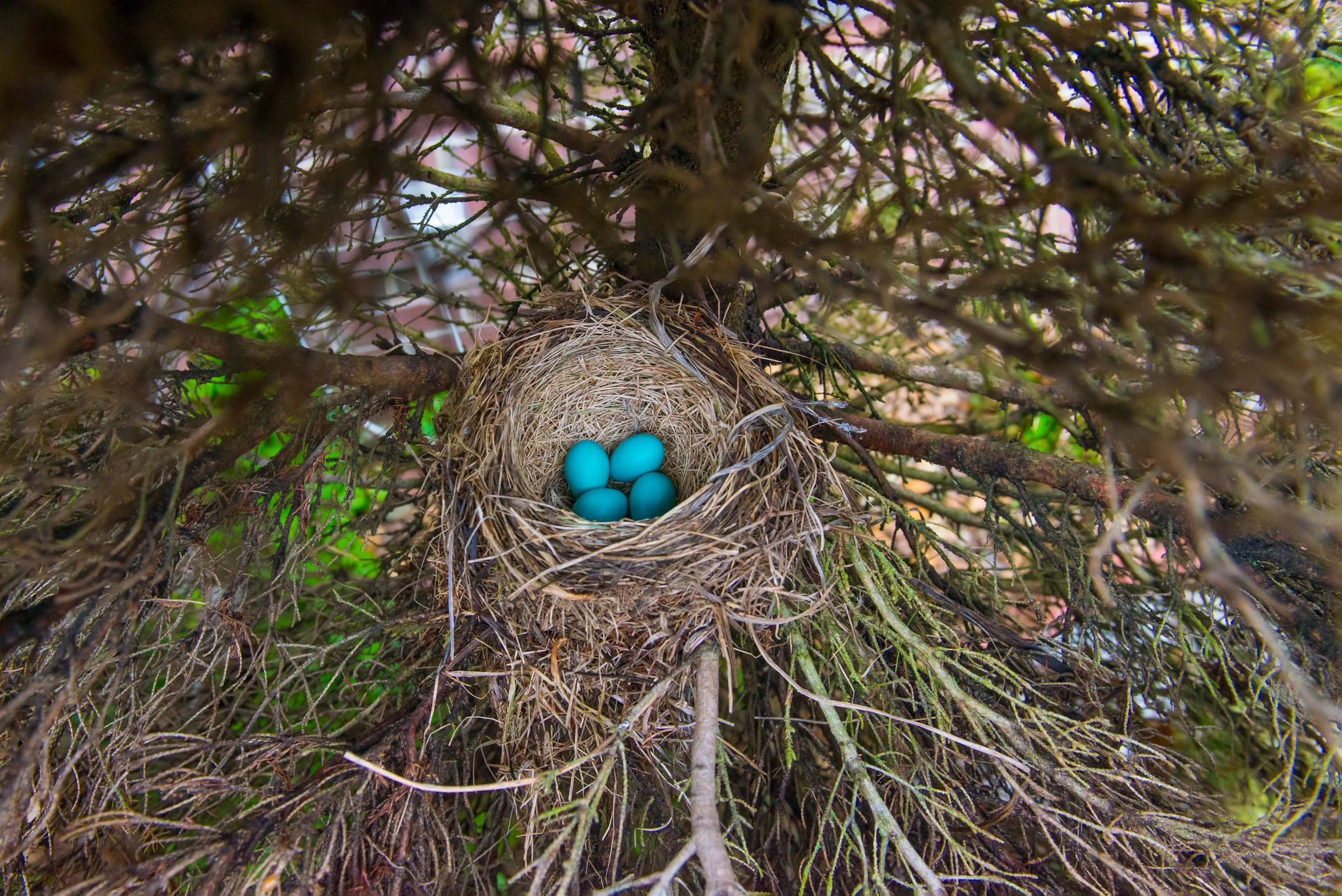
Introduction to Robin Nest Removal
Robins, those cheerful harbingers of spring, are a welcome sight in most gardens. However, their nests, while charming, can sometimes be inconveniently located. Perhaps a nest is hindering a home repair, or you’re concerned about the mess under a nest overhanging your patio. This raises the question: When can I remove a robin’s nest? Understanding the legal protections afforded to robins and their nests, along with the robin’s nesting cycle, is crucial before taking any action. This article will provide a comprehensive guide to navigating this delicate situation.

Is distilled water good for goldfish?
What colours are fish most attracted to?
Can you put your finger in a trout's mouth?
Is methylene blue anti bacterial?
The Legal Landscape: Migratory Bird Treaty Act

The most important factor to consider is the Migratory Bird Treaty Act (MBTA). This federal law protects migratory birds, including robins, and their nests, eggs, and young from harm, harassment, and destruction. Violating the MBTA can result in significant fines and even jail time. Therefore, disrupting an active nest – one containing eggs or young – is illegal.
Understanding the Robin Nesting Cycle
Robins typically build multiple nests per year, usually in spring and summer. Each nesting cycle follows a predictable pattern:
- Nest Building: The female robin usually constructs the nest, taking about a week.
- Egg Laying: One egg is laid per day, usually in the morning, until the clutch size (typically 3-5 eggs) is reached.
- Incubation: The female incubates the eggs for approximately 12-14 days.
- Hatching: The eggs hatch, and the parents feed the nestlings.
- Fledging: The young birds leave the nest, usually 13-14 days after hatching, though they may remain nearby for a few more days being fed by the parents.
- Nest Abandonment: The parents and fledglings eventually leave the nest completely.
When Can I Remove a Robin’s Nest?: Determining Abandonment
This is the core question! Legally and ethically, you can only remove a robin’s nest when you are absolutely certain it is abandoned. Here’s how to determine abandonment:
- No Activity: Observe the nest for several days. There should be no adult robins returning to feed or tend to the nest.
- Empty Nest: Visually inspect the nest to confirm it is empty. Ensure there are no eggs or young birds inside. Use a mirror and flashlight if necessary.
- Time of Year: Consider the nesting season. Outside of spring and summer, robins are unlikely to be actively nesting.
- Nest Condition: An abandoned nest may begin to deteriorate, showing signs of neglect.
Important Note: Even if the nest appears empty, observe it for a few days to be absolutely certain. Young birds may be hiding nearby, still dependent on their parents.
Safely Removing an Abandoned Nest
Once you’ve confirmed the nest is abandoned, follow these steps for safe removal:
- Wear Gloves: Protect yourself from potential parasites or bacteria.
- Bag the Nest: Place the nest in a sealed plastic bag for disposal.
- Clean the Area: Wash the area where the nest was located with soap and water.
- Consider Prevention: If the location is undesirable, consider deterrents to prevent future nesting (see below).
Preventing Future Robin Nesting in Problem Areas
While you can’t prevent robins from nesting altogether, you can discourage them from choosing specific locations:
- Remove Nesting Materials: Clear away readily available nesting materials like mud, twigs, and dried grasses.
- Install Bird Netting: Netting can prevent birds from accessing certain areas, such as eaves or balconies.
- Use Reflective Tape: Shiny, moving objects can deter birds.
- Prune Trees and Shrubs: Reduce the number of suitable nesting sites.
- Visual Deterrents: Scarecrows or owl decoys can sometimes work, but robins often become accustomed to them.
Common Mistakes to Avoid
- Removing an Active Nest: This is illegal and unethical.
- Assuming Abandonment Too Quickly: Observe the nest carefully before taking action.
- Handling the Nest Without Gloves: Protect yourself from potential health hazards.
- Disturbing Nesting Birds: Avoid getting too close to nesting robins.
Dealing with Injured or Orphaned Birds
If you find an injured robin or an orphaned fledgling, do not attempt to care for it yourself. Contact a local wildlife rehabilitator or animal shelter. They have the expertise and resources to properly care for the bird.
Frequently Asked Questions (FAQs)
When can I legally remove a robin’s nest?
Legally, you can only remove a robin’s nest after it has been completely abandoned and you are certain there are no eggs or young birds remaining. Removing an active nest violates the Migratory Bird Treaty Act.
How long does it take for robins to abandon a nest after the fledglings leave?
Typically, robins will abandon a nest within a few days after the fledglings have left. However, the parents may continue to feed the fledglings nearby for a short period. Observe the nest closely for several days to confirm abandonment.
What should I do if I accidentally disturb a robin’s nest?
If you accidentally disturb a robin’s nest, immediately stop what you are doing and leave the area. Observe the nest from a distance to see if the parents return. If the eggs are intact and the nest is undamaged, the parents will likely continue to care for the young. If you suspect the eggs or young have been harmed, contact a local wildlife rehabilitator.
Is it okay to move a robin’s nest a short distance if it’s in the way?
Moving an active robin’s nest is generally not recommended and is often illegal under the Migratory Bird Treaty Act. The parents may abandon the nest if it is moved, even a short distance. The best course of action is to wait until the nest is abandoned before removing it.
Can I trim a tree branch that has a robin’s nest on it?
You should avoid trimming a tree branch with a robin’s nest on it during the nesting season. If the nest is active (contains eggs or young), trimming the branch would be considered disturbing the nest and would violate the Migratory Bird Treaty Act. Wait until the nest is abandoned before trimming the branch.
What if a robin builds a nest in a dangerous location, like near a dryer vent?
If a robin builds a nest in a location that poses a safety hazard (e.g., near a dryer vent), monitor the nest closely. Once the nest is abandoned, remove it and take steps to prevent future nesting in that area, such as covering the vent with a screen.
How can I tell if a robin’s nest is abandoned?
Signs of an abandoned robin’s nest include: no adult robins returning to the nest, no signs of activity (e.g., feeding), the nest appearing to be in disrepair, and the absence of eggs or young birds. Observe the nest for several days to confirm abandonment.
Is it safe to touch a robin’s nest?
While it’s generally safe to touch an abandoned robin’s nest, it’s always recommended to wear gloves to protect yourself from potential parasites, bacteria, or bird droppings.
Will robins reuse the same nest year after year?
Robins rarely reuse the same nest from previous years. They typically build a new nest for each nesting cycle.
What can I do to help robins build nests in my yard?
To encourage robins to nest in your yard, provide suitable nesting sites such as trees, shrubs, and ledges. Provide access to mud and water for nest building. Avoid using pesticides or herbicides that could harm the birds.
What should I do if I find a baby robin on the ground?
If you find a baby robin on the ground that is fully feathered and hopping, it’s likely a fledgling that has recently left the nest. Observe it from a distance to see if the parents are nearby. If the bird appears injured or has no feathers, contact a local wildlife rehabilitator.
What are the penalties for removing an active robin’s nest?
Violating the Migratory Bird Treaty Act by removing an active robin’s nest can result in fines of up to $15,000 per violation and even potential jail time. The severity of the penalties depends on the circumstances of the violation.