
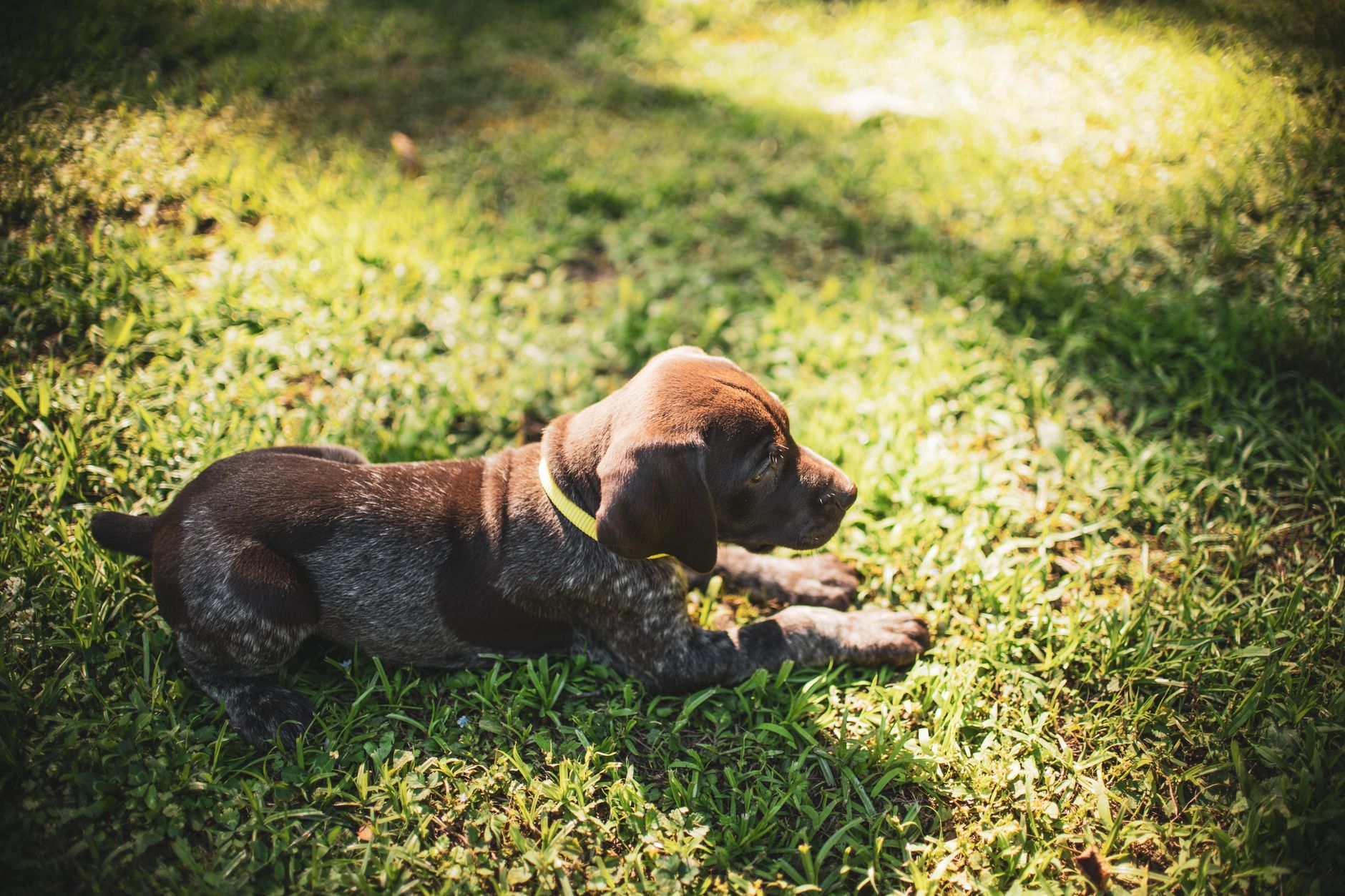
When Can a Puppy Go On the Grass? Understanding Puppy Immunization Schedules
When can a puppy go on the grass? It depends on their immunization schedule, but generally, puppies can safely explore grass in public areas after they’ve received their final round of puppy vaccinations, usually around 16 weeks of age.

Understanding Puppy Vulnerability
Puppies, with their irresistible charm and boundless energy, are also incredibly vulnerable to a range of infectious diseases. Unlike adult dogs with established immune systems, puppies are dependent on maternal antibodies, received through their mother’s milk (colostrum), for initial protection. However, this protection fades over time, leaving them susceptible until their own immune systems can develop sufficient defenses.
Parvovirus, distemper, adenovirus, and parainfluenza virus (DHPP) are some of the most concerning threats to unvaccinated puppies. These diseases can be severe, even fatal, and are often present in the environment, including on grass, where infected dogs may have left behind traces of the virus in their feces.

Is distilled water good for goldfish?
What colours are fish most attracted to?
Can you put your finger in a trout's mouth?
Is methylene blue anti bacterial?
The Importance of Vaccination

Vaccination is the cornerstone of protecting your puppy. Veterinarians recommend a series of vaccinations, typically starting around 6-8 weeks of age, with boosters administered every 2-4 weeks until the puppy is around 16 weeks old. This schedule ensures that the puppy develops a robust immune response to the most common and dangerous canine diseases.
The timing of when can a puppy go on the grass? is directly tied to this vaccination schedule. The goal is to wait until the puppy has received all required vaccinations, giving their immune system the best possible chance to fight off infection if exposed.
Navigating the “Socialization Window”
The “socialization window,” generally between 3 and 16 weeks of age, is a critical period in a puppy’s development. During this time, puppies are highly receptive to new experiences, and early socialization plays a crucial role in shaping their behavior and temperament as adults. The challenge is to balance the need for socialization with the risk of exposure to disease.
Veterinarians generally recommend weighing the risks and benefits. While isolation is not ideal, neither is risking a potentially life-threatening illness.
Safe Socialization Strategies
Even before your puppy is fully vaccinated, you can take steps to safely introduce them to the world:
- Carry your puppy: This allows them to experience sights, sounds, and smells without direct contact with potentially contaminated surfaces.
- Controlled environments: Invite vaccinated, healthy adult dogs to your home for supervised playdates. Ensure that these dogs are up-to-date on their vaccinations and parasite prevention.
- Puppy classes: Look for puppy classes that require proof of vaccination. These classes provide a structured and supervised environment for socialization.
- Safe surfaces: Consider exposing your puppy to grass only in your own yard or on surfaces you know are safe and clean.
Waiting Until Fully Vaccinated
The safest approach is to wait until your puppy has completed their full course of vaccinations, usually around 16 weeks of age, before allowing them to explore public grassy areas. This significantly reduces the risk of contracting a potentially deadly disease. Consult with your veterinarian for a personalized recommendation based on your puppy’s individual health and risk factors.
Considerations for Different Environments
- Urban areas: Urban environments tend to have a higher concentration of dogs, increasing the risk of encountering pathogens on grass. Extra caution is advised.
- Rural areas: While rural areas may have a lower density of dogs, wildlife can also carry diseases. Consider the prevalence of diseases like rabies and leptospirosis in your area.
- Dog parks: Dog parks are high-risk environments due to the concentration of dogs and the potential for unvaccinated or improperly vaccinated dogs to be present. Proceed with caution, even after your puppy is fully vaccinated.
Vaccination Schedules: A Simplified Overview
| Vaccine | Recommended Timing | Purpose |
|---|---|---|
| DHPP (Distemper) | 6-8 weeks, then boosters every 2-4 weeks until 16 weeks | Protects against distemper, adenovirus, parvovirus, and parainfluenza |
| Rabies | Typically around 12-16 weeks | Protects against rabies |
| Bordetella (Kennel Cough) | May be recommended | Protects against kennel cough |
| Leptospirosis | May be recommended | Protects against leptospirosis |
Important: This is a simplified schedule. Consult your veterinarian for a customized vaccination plan for your puppy.
Common Mistakes to Avoid
- Rushing socialization: It’s tempting to introduce your puppy to the world as soon as possible, but rushing socialization before they are fully vaccinated can have serious consequences.
- Skipping vaccinations: Even if you plan to keep your puppy indoors, vaccinations are essential for protecting them against diseases that can be carried indoors on your shoes or clothing.
- Assuming immunity: Just because a puppy appears healthy doesn’t mean they are immune to disease. Vaccinations are necessary to develop protective immunity.
- Ignoring veterinary advice: Your veterinarian is the best resource for personalized advice on when can a puppy go on the grass? and other health-related concerns.
Prioritizing Puppy Health
Ultimately, your puppy’s health is paramount. Making informed decisions about socialization and vaccination, in consultation with your veterinarian, will help ensure that your puppy grows into a happy, healthy, and well-adjusted adult dog. Understanding when can a puppy go on the grass? allows you to appropriately balance socialization and safety.
Frequently Asked Questions (FAQs)
Is it safe for my puppy to play on my own lawn before being fully vaccinated?
It depends. If your yard is securely fenced and no other dogs (that may carry diseases) have access to it, the risk is relatively low. However, wild animals can still carry diseases, so it’s not entirely risk-free. Weigh the risk against the puppy’s need for exercise and socialization.
What are the symptoms of parvovirus in puppies?
Parvovirus causes severe gastrointestinal distress, including vomiting, diarrhea (often bloody), loss of appetite, lethargy, and dehydration. It’s crucial to seek veterinary care immediately if your puppy exhibits these symptoms.
Can my puppy get sick from walking on grass that another dog has urinated on?
Yes, it’s possible. While many diseases are spread through fecal matter, some, like leptospirosis, can be transmitted through urine. This is why vaccination is so important.
How can I disinfect my yard to make it safer for my puppy?
Unfortunately, completely disinfecting an outdoor area is difficult. Sunlight and natural biodegradation are helpful. Some disinfectants are effective against parvovirus, but they must be used carefully and according to the manufacturer’s instructions. Consult with your veterinarian.
What if I find a tick on my puppy before they are fully vaccinated?
Remove the tick carefully with tweezers, grasping it as close to the skin as possible and pulling straight out. Monitor the bite site for signs of infection. Consider using a puppy-safe tick preventative as recommended by your veterinarian.
Is it okay to take my puppy to a friend’s house if they have a vaccinated dog?
It’s generally safer than taking your puppy to a public place, but it’s still important to ensure that your friend’s dog is healthy and up-to-date on vaccinations. Supervise interactions closely.
How soon after the last vaccination can my puppy go to the dog park?
While your puppy will have some protection after their final vaccination, it can take up to two weeks for their immune system to fully respond. It’s generally recommended to wait this period before exposing them to high-risk environments like dog parks.
What is the difference between “core” and “non-core” vaccines?
Core vaccines are considered essential for all puppies and dogs due to the severity and prevalence of the diseases they protect against (e.g., DHPP, rabies). Non-core vaccines are recommended based on individual risk factors and geographic location (e.g., Bordetella, leptospirosis).
If my puppy has already been exposed to grass, is it too late to vaccinate them?
No, it’s never too late to vaccinate your puppy. Vaccination can still provide protection, even if they have already been exposed to a disease. However, the sooner you vaccinate, the better.
What are the risks of over-vaccinating my puppy?
While over-vaccination is a concern, the benefits of vaccination generally outweigh the risks. Your veterinarian can help you make informed decisions about your puppy’s vaccination needs. Adverse reactions to vaccines are rare.
How long does immunity from maternal antibodies last in puppies?
The duration of protection from maternal antibodies varies from puppy to puppy. This is why a series of vaccinations is necessary to ensure that the puppy develops its own immunity as the maternal antibodies wane.
Can I still take my puppy outside for potty breaks before they are fully vaccinated?
Yes, you will need to take your puppy outside for potty breaks. Choose a designated potty area in your yard and clean up after them immediately. This can help minimize the risk of spreading disease.