
What White Fish Are Bottom Feeders?
While many people mistakenly believe all white fish are bottom feeders, the truth is more nuanced: not all white fish are bottom feeders, but some species do exhibit this feeding behavior. Several popular and commercially important white fish species, like cod, halibut, and flounder, are indeed bottom feeders.

Understanding Bottom Feeding and White Fish
The world of fish is diverse, with countless species occupying various niches in their ecosystems. Understanding where a fish feeds in the water column – whether it’s near the surface, in the mid-water, or on the seabed – provides crucial insight into its diet, behavior, and overall role in the aquatic environment. Let’s explore what constitutes a bottom feeder, the characteristics of white fish, and which species overlap in these categories.
What fish is Flo?
How intelligent are fish?
Are fish heads good for the garden?
Can fish hear water?
Defining Bottom Feeders

Bottom feeders are aquatic animals that primarily feed on organisms or organic matter found on or near the bottom of a body of water, such as a lake, river, or ocean. This behavior is a fundamental adaptation allowing them to access food sources unavailable to fish that primarily reside in the water column.
- They typically possess anatomical adaptations such as:
- Downward-facing mouths: Facilitates scooping up food from the seabed.
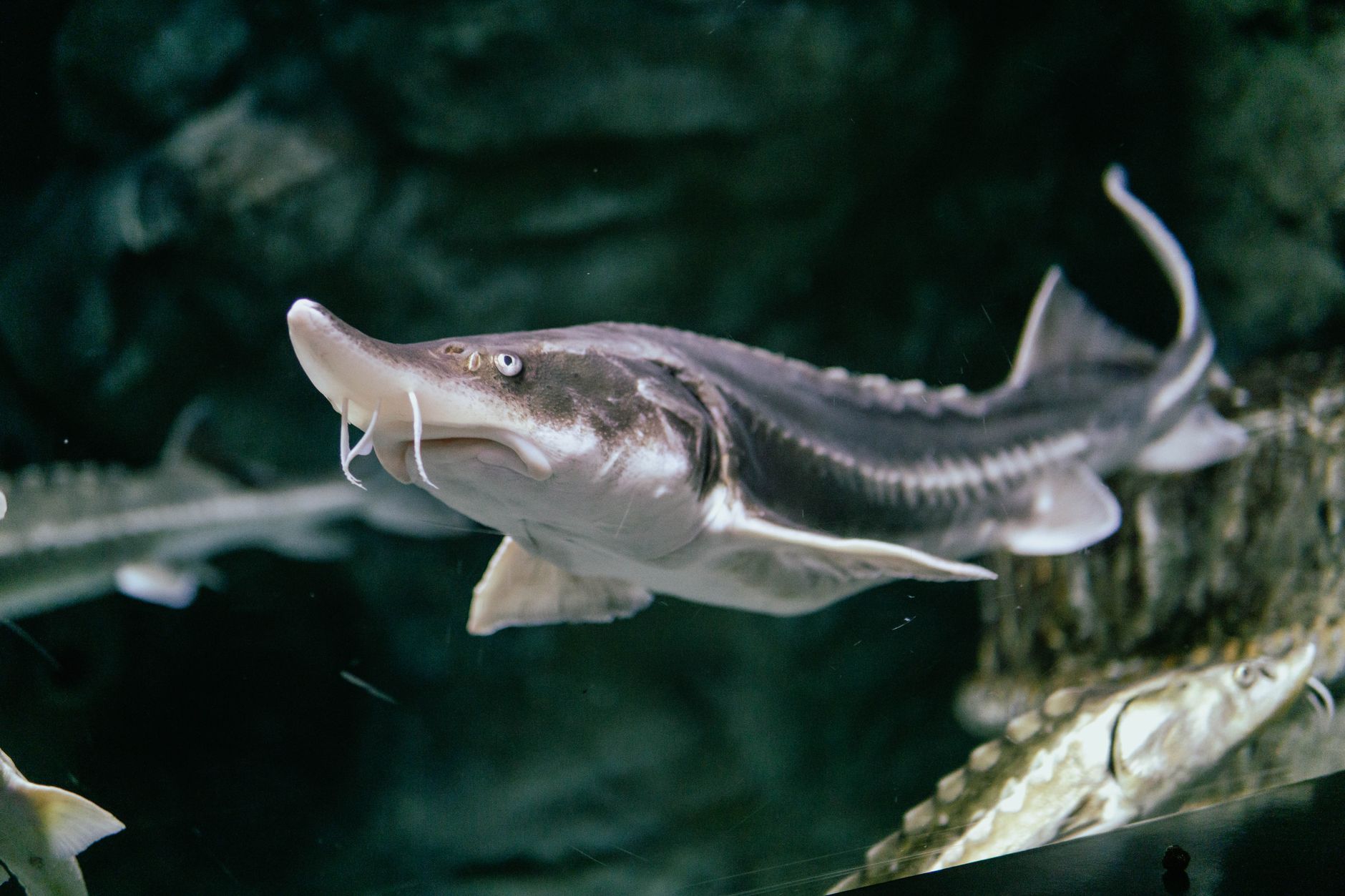
- Sensory barbels: Whisker-like appendages near the mouth used to detect food in murky conditions.
- Flattened body shapes: Common in fish like flounder, allowing them to lie camouflaged on the bottom.
Characteristics of White Fish
“White fish” is a broad culinary term, not a strict biological classification. It generally refers to fish with mild-flavored, white flesh when cooked. These fish are often lean and flake easily, making them popular choices for various dishes. Some common examples of white fish include:
- Cod
- Haddock
- Halibut
- Flounder
- Pollock
- Tilapia
It’s important to note that the term “white fish” is often used commercially, so the exact species included can vary depending on region and market. Therefore, to determine what white fish are bottom feeders?, each species must be considered individually.
The Intersection: Which White Fish Are Bottom Feeders?
Now, the crucial question: what white fish are bottom feeders? The answer is species-specific. While not all white fish are bottom feeders, certain popular varieties are known for this feeding behavior.
- Halibut: A large flatfish that spends much of its life on the ocean floor, preying on other fish, crustaceans, and mollusks. This makes it a confirmed bottom feeder.
- Flounder: Another flatfish species closely related to halibut. They are masters of camouflage and primarily feed on small invertebrates and fish found on the seabed. Definitely bottom feeders.
- Cod: While cod consume a wider range of food sources than strictly bottom feeders, a significant portion of their diet comes from the ocean floor. They actively hunt for crustaceans, worms, and smaller fish that reside on or near the bottom. Cod are often considered partial bottom feeders.
Other white fish, like haddock and pollock, may occasionally forage near the bottom but are not primarily bottom feeders. Tilapia, commonly farmed, typically feeds on algae and plankton and is not a bottom feeder.
Importance of Understanding Feeding Habits
Knowing the feeding habits of the fish we consume is important for several reasons:
- Sustainability: Understanding where a fish fits into the food web helps us assess the impact of fishing practices. Overfishing bottom feeders can have cascading effects on the entire ecosystem.
- Contamination: Bottom feeders are more likely to accumulate contaminants from the sediment, raising concerns about potential health risks for consumers.
- Taste and Texture: While not directly linked, the diet of a fish can influence its flavor and texture.
FAQs: Demystifying Bottom Feeding and White Fish
What exactly does it mean for a fish to be a “bottom feeder”?
Bottom feeding refers to the behavior of fish (and other aquatic animals) that obtain their food primarily from the bottom of a body of water. This can involve consuming organic matter, invertebrates, small fish, and other organisms that live in or on the sediment.
Are all flatfish, like flounder and halibut, bottom feeders?
Yes, virtually all flatfish species are bottom feeders. Their flattened body shape and the positioning of their eyes on one side of their head are adaptations perfectly suited for life on the seabed and foraging for food in that environment.
Is it safe to eat bottom-feeding fish?
Generally, yes, it is safe to eat bottom-feeding fish, but it’s important to be aware of potential contamination risks. Bottom feeders can accumulate pollutants and toxins from the sediment. Choosing fish from reputable sources and following consumption guidelines can minimize these risks.
Does bottom feeding affect the taste of white fish?
While there’s no definitive direct link, a fish’s diet can influence its flavor profile. Fish that consume a diverse diet of crustaceans and other invertebrates, common for bottom feeders, may have a slightly richer or more complex flavor than fish that primarily eat plankton.
Are there any white fish that are not bottom feeders?
Yes, many white fish species are not bottom feeders. For example, tilapia primarily feeds on algae and plankton in the water column. Haddock and pollock, while occasionally foraging near the bottom, are not primarily bottom feeders.
Why is the term “white fish” so broad?
The term “white fish” is a culinary term, not a scientific one. It’s used to describe fish with mild-flavored, white flesh, regardless of species or feeding habits. This makes it a broad and somewhat imprecise categorization.
What are the benefits of eating white fish?
White fish is generally low in fat and calories and a good source of protein and essential nutrients, such as omega-3 fatty acids, vitamin D, and iodine. These nutrients are crucial for heart health, brain function, and overall well-being.
How can I be sure I am buying sustainable white fish?
Look for certifications such as the Marine Stewardship Council (MSC) label. This indicates that the fish has been harvested sustainably and responsibly. Also, research the origin and fishing practices associated with specific species before making a purchase.
Is farmed white fish as healthy as wild-caught white fish?
The nutritional content of farmed vs. wild-caught white fish can vary depending on factors such as feed and farming practices. Generally, both can be healthy options, but it’s essential to research the specific farming practices used to ensure responsible aquaculture.
Does cooking method affect the safety of eating bottom-feeding white fish?
Proper cooking can reduce the risk of consuming harmful bacteria and parasites. However, it won’t eliminate chemical contaminants that may have accumulated in the fish’s tissues. Thoroughly cooking fish to the recommended internal temperature is always essential.
What are some of the environmental concerns related to bottom trawling for white fish?
Bottom trawling, a common fishing method used to catch bottom-dwelling white fish, can cause significant damage to the seabed ecosystem. It can disrupt habitats, destroy coral reefs, and indiscriminately catch non-target species (bycatch).
Where can I find more information about sustainable seafood choices?
Organizations like the Monterey Bay Aquarium Seafood Watch and the Marine Stewardship Council (MSC) offer valuable resources and guides to help consumers make informed and sustainable seafood choices. Consulting these resources is highly recommended.