

What Seafood Is Not Sustainable?
Certain seafood populations are dwindling due to overfishing, destructive fishing methods, and environmental degradation; therefore, it’s crucial to be aware of which seafood choices are not sustainable to make informed decisions that support ocean health. This article explores the unsustainable practices and specific seafood species to avoid.
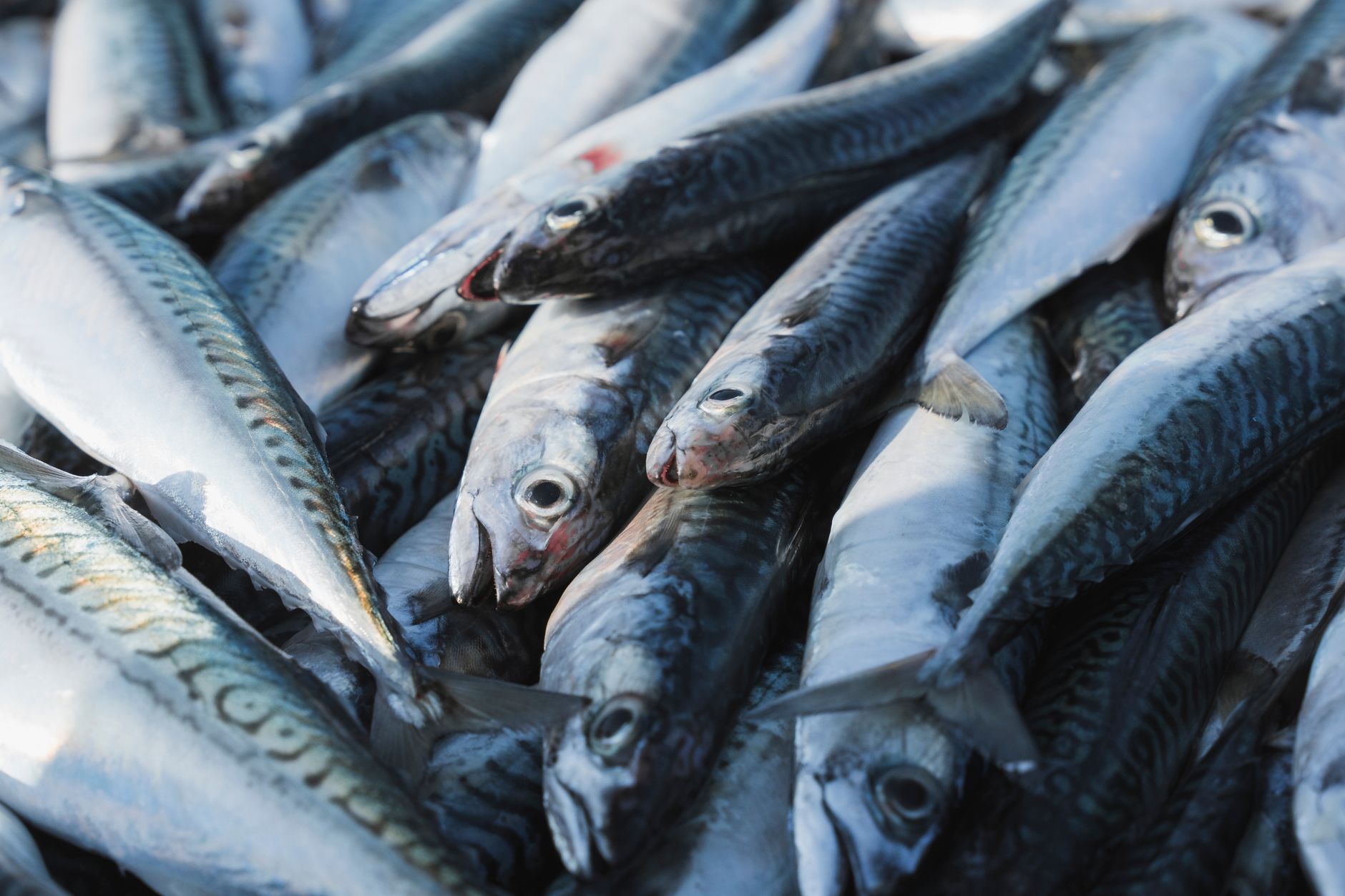
The Alarming State of Our Oceans
Our oceans are facing unprecedented challenges. Overfishing, habitat destruction, pollution, and climate change are all contributing to a decline in marine biodiversity. Choosing sustainable seafood is a critical step in protecting these vital ecosystems and ensuring future generations can enjoy the benefits they provide.
Unsustainable fishing practices include:
- Bottom Trawling: This method involves dragging heavy nets across the ocean floor, destroying habitats like coral reefs and seamounts.
- Longlining: Miles of fishing line baited with hooks can indiscriminately catch non-target species, including seabirds, turtles, and sharks.
- Dynamite Fishing: This destructive practice uses explosives to stun or kill fish, causing widespread damage to coral reefs and other marine habitats.

Is distilled water good for goldfish?
What colours are fish most attracted to?
Can you put your finger in a trout's mouth?
Is methylene blue anti bacterial?
Specific Seafood to Avoid

While sustainability varies by region and fishing method, some seafood species are consistently flagged as problematic. Knowing these species empowers consumers to make more responsible choices.
Here are examples of seafood to avoid due to concerns surrounding sustainability:
- Atlantic Cod: Many Atlantic cod stocks are overfished and have not recovered despite management efforts.
- Chilean Seabass (Patagonian Toothfish): Often caught illegally and unsustainably, leading to population declines and habitat damage.
- Orange Roughy: Slow-growing and late-maturing, making them extremely vulnerable to overfishing.
- Sharks: Many shark species are caught as bycatch or targeted for their fins, leading to significant population declines.
- Certain Tuna Species (Bluefin, Yellowfin): Some tuna stocks are overfished, and fishing methods can harm other marine animals.
- Atlantic Halibut: Some populations remain significantly depleted.
- Imported Shrimp: Often produced in environmentally destructive shrimp farms that destroy mangrove forests.
It’s important to consult reputable seafood guides and resources, such as those provided by the Monterey Bay Aquarium’s Seafood Watch and the Marine Stewardship Council (MSC), for the most up-to-date information on specific species and regions.
Making Sustainable Seafood Choices
Choosing sustainable seafood isn’t about giving up seafood entirely, but rather about making informed choices that support responsible fishing practices.
Here are a few ways to make sustainable seafood choices:
- Check Seafood Guides: Consult reputable seafood guides, such as Seafood Watch, to identify sustainable options in your region.
- Look for Eco-Labels: Look for certifications like the MSC label, which indicates that the seafood comes from a sustainably managed fishery.
- Ask Questions: Ask your fishmonger or restaurant server about the origin and fishing methods used for the seafood you are considering.
- Choose Locally Sourced Seafood: Supporting local fisheries that practice sustainable methods can reduce transportation emissions and support local economies.
- Explore Alternative Species: Try lesser-known species that are more abundant and sustainably managed.
- Reduce Waste: Plan your meals carefully and avoid overbuying seafood to minimize food waste.
The Impact of Your Choices
Every seafood choice we make has an impact. By choosing sustainable seafood, we can support responsible fishing practices, protect marine ecosystems, and ensure that future generations can enjoy the benefits of healthy oceans. Understanding what seafood is not sustainable is the first step in making informed and responsible decisions.
| Feature | Unsustainable Seafood | Sustainable Seafood |
|---|---|---|
| Population | Depleted or overfished | Healthy and well-managed |
| Fishing Method | Destructive (e.g., bottom trawling) | Selective and low-impact |
| Habitat Impact | High habitat destruction | Minimal habitat impact |
| Bycatch | High bycatch rates | Low bycatch rates |
| Example Species | Orange Roughy, Chilean Seabass | Pacific Halibut, Farmed Clams |
Frequently Asked Questions (FAQs)
What does “sustainable seafood” actually mean?
Sustainable seafood refers to seafood that is harvested or farmed in a way that doesn’t harm the environment or deplete the population of the species. It considers the long-term health of the ocean ecosystem and ensures that seafood resources are available for future generations.
Why is overfishing such a big problem?
Overfishing removes fish from the ocean faster than they can reproduce, leading to population declines and disrupting the entire marine food web. This can have cascading effects on the ecosystem and threaten the livelihoods of people who depend on seafood for food and income.
How can I tell if seafood is sustainably sourced?
Look for eco-labels like the Marine Stewardship Council (MSC) label or consult reputable seafood guides, such as those provided by the Monterey Bay Aquarium’s Seafood Watch. These resources provide information on the sustainability of different seafood species and fishing methods. Also, ask your fishmonger or restaurant about sourcing.
Are there any general guidelines for choosing sustainable seafood?
Generally, choosing seafood from well-managed fisheries or responsibly farmed sources is a good starting point. Look for seafood that is caught using selective fishing methods with low bycatch rates and minimal habitat impact. Prioritize locally sourced seafood whenever possible.
Is farmed seafood always a sustainable option?
Not necessarily. While some aquaculture practices are environmentally responsible, others can have negative impacts. Look for farmed seafood that is produced in systems that minimize pollution, avoid the use of antibiotics, and do not harm sensitive habitats.
What are some common misconceptions about sustainable seafood?
One common misconception is that all wild-caught seafood is unsustainable and that all farmed seafood is sustainable. The reality is more nuanced, and the sustainability of seafood depends on the specific species, fishing method, and region of origin.
What role do consumers play in promoting sustainable seafood?
Consumers play a crucial role by making informed seafood choices. By choosing sustainable options, they can create demand for responsibly sourced seafood and incentivize fisheries and aquaculture operations to adopt more sustainable practices.
How can I find more information about sustainable seafood in my region?
Consult reputable seafood guides, such as those provided by the Monterey Bay Aquarium’s Seafood Watch, or contact local conservation organizations or government agencies for information on sustainable seafood initiatives in your region.
Is there any seafood that is always considered unsustainable?
While sustainability can vary, certain species, such as orange roughy and Chilean seabass from unregulated fisheries, are generally considered unsustainable due to overfishing and destructive fishing practices. Continually check updated sources for the current status of different types of seafood.
What about the impact of seafood transportation on sustainability?
Seafood transportation can contribute to carbon emissions and other environmental impacts. Choosing locally sourced seafood can help reduce these impacts and support local economies.
What is “bycatch” and why is it a problem?
Bycatch refers to the unintentional catch of non-target species during fishing operations. It can include marine mammals, seabirds, turtles, and other fish species. Bycatch is a major problem because it can lead to the decline of vulnerable populations and disrupt marine ecosystems.
How can I encourage restaurants and retailers to offer more sustainable seafood options?
Ask your local restaurants and retailers where they source their seafood and encourage them to offer more sustainable options. Let them know that you value sustainable seafood and are willing to support businesses that prioritize responsible sourcing. Making your voice heard can make a difference.