
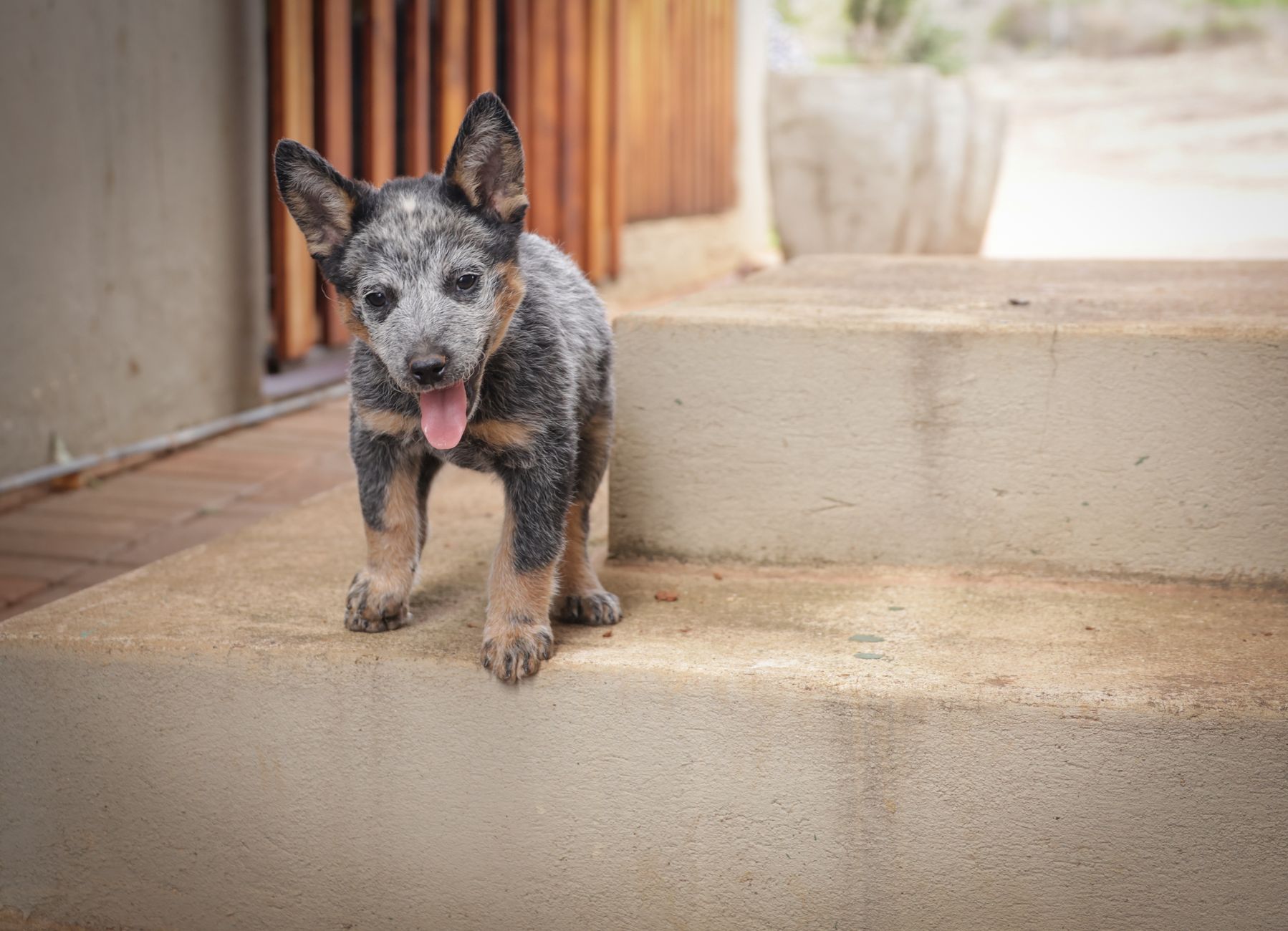
What Not to Do With Puppies: A Comprehensive Guide
Avoid making common mistakes that can negatively impact your precious puppy’s development! This guide outlines what not to do with puppies to ensure they grow into happy, healthy, and well-adjusted companions.

Introduction: The Crucial First Year
Bringing a puppy home is an exciting time, but it also comes with significant responsibility. The first year of a puppy’s life is critical for their physical and behavioral development. Mistakes made during this period can have lasting consequences. Understanding what not to do with puppies is essential for responsible pet ownership. This guide will help you navigate the challenges and ensure your puppy gets the best possible start.

Is distilled water good for goldfish?
What colours are fish most attracted to?
Can you put your finger in a trout's mouth?
Is methylene blue anti bacterial?
Early Socialization Mistakes
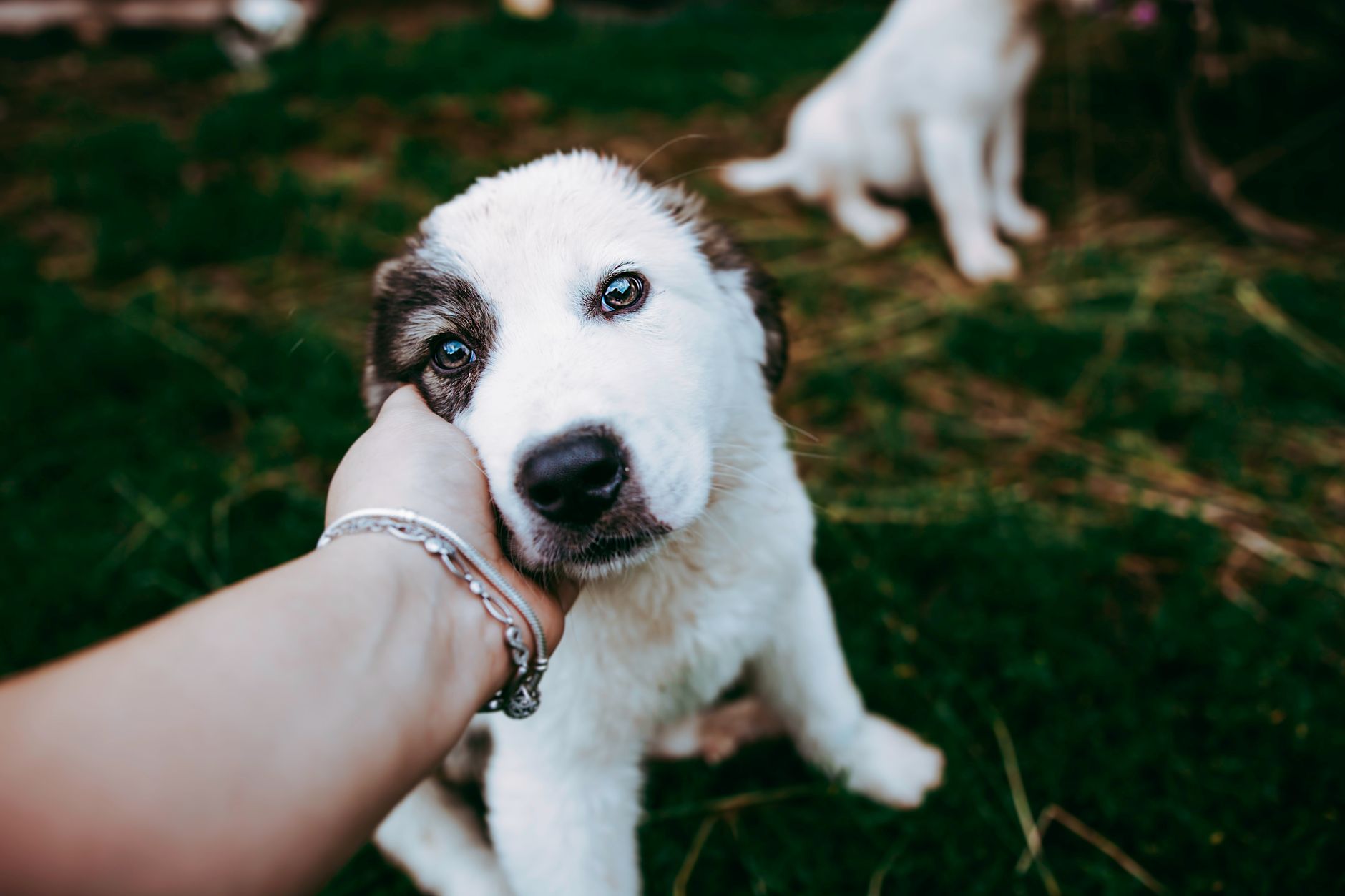
Socialization is arguably the most important aspect of early puppy development. A well-socialized puppy is confident, adaptable, and less likely to develop behavioral problems later in life.
- Isolating your puppy: Keeping your puppy isolated for fear of illness can be detrimental. While it’s important to protect them from disease, controlled exposure to vaccinated adult dogs and safe environments is crucial.
- Forcing interactions: Never force your puppy into interactions they are uncomfortable with. This can create negative associations and lead to fear or aggression.
- Ignoring fear signals: Pay attention to your puppy’s body language. If they are showing signs of fear, remove them from the situation and try again later in a more controlled environment.
Training and Discipline Errors
Effective training involves positive reinforcement and clear communication. Punishing your puppy can damage your relationship and create anxiety.
- Using punishment: Punishment is rarely effective and can often worsen behavioral problems. Focus on rewarding desired behaviors instead.
- Inconsistent training: Consistency is key. Everyone in the household should use the same commands and training methods.
- Lack of socialization to handling: Puppies need to get used to being handled, especially in the ways that will be required for veterinary care. Failure to do this can lead to difficult veterinary appointments.
Nutritional No-Nos
A proper diet is essential for a puppy’s growth and development. Giving them the wrong foods can lead to health problems.
- Feeding human food: Many human foods are toxic to dogs, including chocolate, onions, and grapes. Stick to high-quality puppy food recommended by your veterinarian.
- Overfeeding: Puppies need to eat frequently, but overfeeding can lead to obesity and other health problems. Follow the feeding guidelines on the food package and adjust as needed.
- Ignoring dietary needs: Puppy food is formulated differently than adult dog food. Puppies need more of certain nutrients to support their rapid growth. Feed a diet specifically formulated for puppies.
Health and Wellness Neglect
Regular veterinary care is essential for maintaining your puppy’s health. Ignoring potential health problems can have serious consequences.
- Skipping vaccinations: Vaccinations are crucial for protecting your puppy from life-threatening diseases. Follow your veterinarian’s vaccination schedule.
- Ignoring parasite prevention: Puppies are susceptible to parasites like fleas, ticks, and worms. Use preventative medications as recommended by your veterinarian.
- Delaying vet visits: Don’t wait until your puppy is sick to take them to the vet. Regular checkups are important for early detection and prevention of health problems.
Overdoing Exercise
While exercise is important for puppies, excessive exercise can damage their developing joints.
- Forcing long walks: Puppies have short attention spans and are easily tired. Keep walks short and allow them to rest frequently.
- Participating in high-impact activities: Avoid activities like jumping or running on hard surfaces, which can put excessive strain on their joints.
- Ignoring fatigue signs: Pay attention to your puppy’s body language. If they are panting heavily, slowing down, or lying down, they are probably tired and need to rest.
Neglecting Mental Stimulation
Puppies need mental stimulation to prevent boredom and behavioral problems.
- Lack of enrichment: Provide your puppy with plenty of toys, puzzles, and opportunities for exploration.
- Ignoring training opportunities: Training is a great way to mentally stimulate your puppy and strengthen your bond.
- Insufficient play time: Puppies need plenty of play time to burn energy and socialize with their human family.
Table: Summary of Common Mistakes
| Category | Mistake | Consequence |
|---|---|---|
| Socialization | Isolation | Fearfulness, aggression, anxiety |
| Training | Punishment | Damaged relationship, fear, anxiety |
| Nutrition | Feeding human food | Health problems, toxicity |
| Health | Skipping vaccinations | Increased risk of disease |
| Exercise | Forcing long walks | Joint damage, fatigue |
| Mental Stimulation | Lack of enrichment | Boredom, behavioral problems |
FAQs: Puppy Care Insights
What is the most important thing to teach a puppy?
The most important thing to teach a puppy is recall, or coming when called. A reliable recall can save your puppy’s life in dangerous situations and is essential for off-leash safety.
How often should I bathe my puppy?
Bathing puppies too frequently can strip their skin of natural oils and lead to dryness and irritation. Bathe them only when necessary, ideally once a month or less, unless they get particularly dirty.
Is it okay to let my puppy sleep in my bed?
While it’s a personal preference, letting your puppy sleep in your bed can lead to behavioral problems if not managed properly. It can reinforce dominance issues and make it harder to establish boundaries. It’s crucial to establish clear rules and boundaries, regardless of where your puppy sleeps.
How long should puppy training sessions be?
Puppy training sessions should be short and sweet, lasting no more than 5-10 minutes at a time. Puppies have short attention spans, and longer sessions can lead to frustration and disengagement. Frequent, short sessions are much more effective.
When can my puppy start socializing with other dogs?
Your puppy can start socializing with vaccinated and healthy adult dogs shortly after their first set of vaccinations, usually around 8-12 weeks of age. Talk to your veterinarian to confirm when it’s safe for your puppy to socialize.
What are the signs of a sick puppy?
Signs of a sick puppy can include lethargy, loss of appetite, vomiting, diarrhea, coughing, sneezing, or any other unusual behavior. If you notice any of these signs, consult your veterinarian immediately.
How do I stop my puppy from biting?
Puppy biting is a normal part of development, but it’s important to teach them bite inhibition. Redirect biting behavior with appropriate chew toys and teach them that biting humans is unacceptable. Use a firm “ouch” to signal that their bite is too hard.
How do I housetrain my puppy?
Housetraining requires consistency, patience, and positive reinforcement. Take your puppy outside frequently, especially after waking up, eating, and playing. Reward them with praise and treats when they eliminate outside. Avoid punishing accidents.
How much exercise does a puppy need?
Puppies need moderate exercise to stay healthy and burn energy, but avoid overdoing it. Short walks, playtime, and mental stimulation are all important. Adjust the amount of exercise based on your puppy’s breed, age, and energy level. Consult your veterinarian if you are concerned about your puppy’s exercise needs.
What are some good chew toys for puppies?
Good chew toys for puppies are durable, safe, and appropriately sized. Choose toys made of rubber, nylon, or other materials that won’t splinter or break easily. Avoid toys with small parts that could be swallowed. Supervise your puppy while they are chewing on toys.
How do I crate train my puppy?
Crate training should be a positive experience for your puppy. Introduce the crate gradually, making it a comfortable and inviting space with soft bedding and toys. Feed your puppy their meals in the crate and gradually increase the amount of time they spend inside. Never use the crate as punishment.
Is it okay to scold my puppy?
Scolding or punishing your puppy is generally not recommended. It can create fear and anxiety and damage your relationship. Focus on positive reinforcement and rewarding desired behaviors. If your puppy is misbehaving, redirect their attention or remove them from the situation.