

What Kind of Fencing Do You Need for Llamas? Protecting Your Gentle Giants
Choosing the right fencing for llamas is crucial for their safety and containment. A good llama fence needs to be tall, sturdy, and properly installed. Llamas require fencing that prevents escape and protects them from predators. The ideal fence is strong enough to withstand their size and curiosity while also being safe to prevent injury.

Introduction: The Importance of Proper Llama Fencing
Llamas, with their gentle nature and inquisitive minds, are increasingly popular as livestock guardians, pack animals, and beloved companions. However, their size and agile leaping abilities mean that proper fencing is essential for their well-being and to prevent them from wandering onto roads or into neighboring properties. Selecting the correct type of fence is paramount to ensure the safety and security of your llamas.

Is distilled water good for goldfish?
What colours are fish most attracted to?
Can you put your finger in a trout's mouth?
Is methylene blue anti bacterial?
Understanding Llama Behavior and Fencing Needs
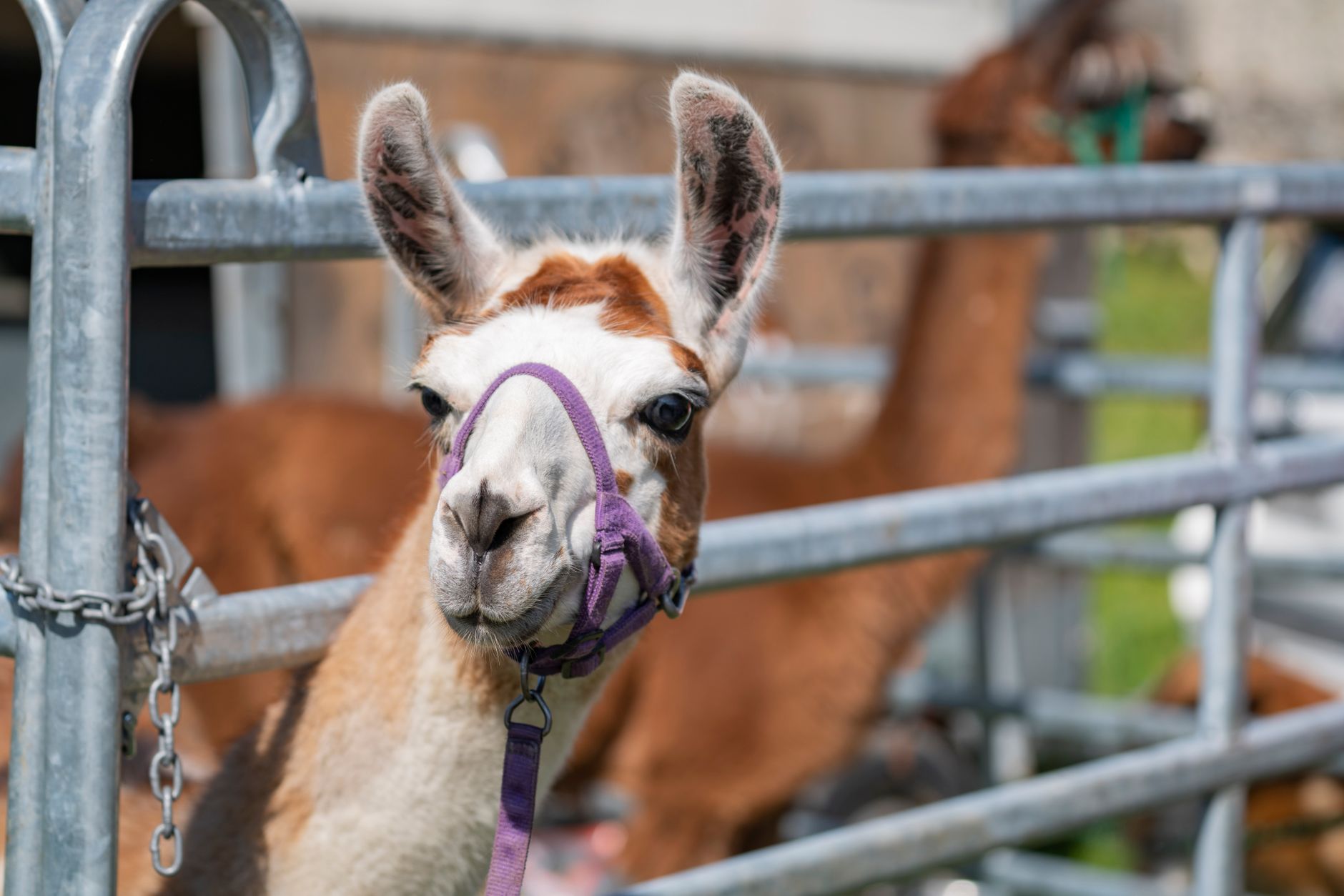
Llamas are not as easily contained as some other livestock. They are intelligent and can learn to push against or even jump over inadequately designed fences. Consider these factors when planning your llama fencing:
- Height: Llamas can easily jump over fences that are too low.
- Strength: The fence must be strong enough to withstand occasional leaning or rubbing.
- Safety: The fence material shouldn’t pose a risk of injury.
- Predator Protection: The fence should deter predators like coyotes or dogs.
Ideal Fencing Options for Llamas
Several types of fencing are suitable for llamas, each with its own advantages and disadvantages:
- Woven Wire: This is one of the most popular and effective options. Choose a woven wire fence with small enough openings to prevent llamas from getting their heads or legs stuck. Height should be at least 5 feet.
- Chain Link: A robust and durable choice, chain link provides excellent containment. A minimum height of 5 feet is recommended.
- High-Tensile Wire: When properly installed, high-tensile wire can be a very effective and affordable option. It requires specialized equipment for installation and needs to be electrified for optimal performance. Ensure proper grounding for safety.
- Pipe or Rail Fencing: While aesthetically pleasing, pipe or rail fencing can be expensive. The spacing between rails needs to be narrow enough to prevent llamas from squeezing through.
- Electric Fencing: While often used as a supplemental deterrent, electric fencing is not typically a primary fencing option for llamas unless used in multi-strand configurations. Llamas have thick fur that can insulate them, so a strong charger is needed.
Factors Influencing Fencing Selection
Choosing the right type of fencing for your llamas will depend on several factors:
- Budget: Some fencing options are significantly more expensive than others.
- Aesthetics: Some owners prefer fences that blend seamlessly with the landscape.
- Terrain: Uneven or rocky terrain may make certain fencing options more difficult to install.
- Predator Pressure: Areas with high predator populations may require more robust fencing.
- Local Regulations: Check local zoning ordinances regarding fencing height and materials.
Installation Best Practices
Proper installation is critical for the effectiveness of any fence. Here are some essential tips:
- Use sturdy posts: Space posts no more than 8-10 feet apart for woven wire or chain link fences. Use treated wood or metal posts for longevity.
- Proper tension: Woven wire and high-tensile wire fences need to be properly tensioned to prevent sagging.
- Secure attachment: Use appropriate clips or fasteners to securely attach the fencing to the posts.
- Gate placement: Place gates strategically for easy access and consider their width for moving equipment.
- Regular maintenance: Inspect the fence regularly for damage and make repairs promptly.
Common Mistakes to Avoid
- Using fences that are too low: Llamas can jump higher than you might think.
- Inadequate post spacing: Too much space between posts weakens the fence.
- Insufficient tension: Sagging fences are easily breached.
- Ignoring predator pressure: Failing to deter predators can lead to tragic consequences.
- Neglecting maintenance: A poorly maintained fence is a liability.
| Fence Type | Cost | Durability | Llama Containment | Predator Protection |
|---|---|---|---|---|
| Woven Wire | Moderate | High | Excellent | Good |
| Chain Link | High | Very High | Excellent | Excellent |
| High-Tensile Wire | Low to Moderate | High | Good (with electric) | Fair (without electric) |
| Pipe/Rail | High | High | Good | Fair |
| Electric | Low | Moderate | Supplemental | Supplemental |
Frequently Asked Questions (FAQs)
What height of fence is needed for llamas?
A fence height of at least 5 feet is generally recommended for llamas. Some owners even opt for 6-foot fences, especially if dealing with particularly athletic llamas or areas with high predator pressure. This height effectively deters most llamas from attempting to jump over the fence.
Is electric fencing effective for llamas?
While electric fencing can be useful as a supplemental deterrent, it’s not typically a primary containment method for llamas due to their thick fur. If used, a high-powered charger is essential, and the wires should be placed at appropriate heights to effectively deliver a shock. Training llamas to respect the electric fence is also important.
What is the best type of fencing for a llama pasture?
Woven wire fencing is often considered the best overall option for llama pastures. It provides a strong, safe, and reliable barrier, preventing escapes and protecting against predators. Chain link is also an excellent choice, albeit a more expensive one.
How important is it to maintain llama fencing?
Regular maintenance is absolutely crucial for the effectiveness of any llama fence. Inspect the fence regularly for damage, such as broken wires, loose posts, or sagging sections, and make repairs promptly. A well-maintained fence ensures the safety and security of your llamas.
Can llamas get through barbed wire fencing?
Barbed wire is generally not recommended for llamas. The barbs can cause injuries to their skin and fleece, and they are more likely to get tangled in the wire. Safer and more effective options are available.
What should I do if my llama keeps escaping?
If your llama is repeatedly escaping, it’s important to identify the reason why. Check the fence for weaknesses or low spots, and consider adding an extra strand of electric wire or increasing the fence height. Addressing the underlying cause of the escapes is essential.
Are llamas good at jumping fences?
Llamas are capable of jumping, although they are not as naturally inclined to do so as some other livestock. However, they can easily clear fences that are too low or poorly constructed. A minimum fence height of 5 feet is recommended to deter jumping.
What kind of posts should I use for my llama fence?
Treated wood posts or metal posts are both excellent choices for llama fences. Treated wood is a cost-effective option, while metal posts offer superior durability and longevity. The size and spacing of the posts will depend on the type of fencing used.
How much does it cost to fence a llama pasture?
The cost of fencing a llama pasture can vary widely depending on the type of fencing, the size of the pasture, and the labor costs involved. Woven wire fencing typically costs between $3 to $7 per foot, while chain link can cost upwards of $10 per foot. It’s important to get multiple quotes and factor in all the costs before making a decision.
Is it okay to use welded wire panels for llama fencing?
Welded wire panels can be used for llama fencing, but it’s important to choose panels with small enough openings to prevent llamas from getting their heads or legs stuck. The panels should also be strong enough to withstand the pressure of llamas leaning against them.
Do I need to fence my entire property to keep llamas in?
Not necessarily. You only need to fence the areas where you want your llamas to graze and roam. Consider the size of your property and the grazing needs of your llamas when determining the amount of fencing required. Fencing off a smaller, designated area is often sufficient.
How can I protect my llama fence from the elements?
To protect your llama fence from the elements, consider using treated wood posts and galvanizing the fencing. Regularly inspect the fence for signs of rust or corrosion and apply a protective coating as needed. Proper drainage around the fence can also help prevent water damage.